
Planning a trip to Minneapolis, Minnesota, requires a keen understanding of the local climate, which is arguably as famous as the city’s vibrant cultural scene. Whether you are coming to visit the Mall of America or to catch a performance at the Guthrie Theater, knowing what to expect when you step outside is the first step toward a successful journey. In a city where the mercury can swing from sub-zero winters to balmy, sun-drenched summers, staying updated on the current conditions is essential for any traveler.
Understanding the Seasonal Extremes of the Twin Cities
The climate in Minneapolis is classified as humid continental, characterized by four distinct seasons. Each season presents a unique backdrop for travelers, provided they arrive with the right gear and the right expectations.

The Bracing Winters
If you are visiting between December and March, you are stepping into a true northern winter. Temperatures frequently dip below freezing, and snow is a common sight. While it may sound intimidating to the uninitiated, winter in this part of the United States is a local art form. Locals embrace the cold by heading to Theodore Wirth Regional Park for cross-country skiing or enjoying the Minneapolis Sculpture Garden under a blanket of pristine white snow.
For those who prefer to avoid the biting wind, the city’s famous Skyway System offers a climate-controlled network of bridges connecting buildings throughout the downtown core. This architectural marvel allows you to traverse the city comfortably, no matter how low the thermometer drops.
The Vibrant Arrival of Spring
As the ice melts, usually by late April, the city awakens. Spring is a time of transition, where temperatures fluctuate wildly. One day might feel like mid-summer, and the next could bring a chilly breeze from the north. This is the perfect time to explore the Chain of Lakes, including Lake Calhoun and Lake Harriet, as the landscape transforms from dormant brown to vibrant green.
Making the Most of Summer and Autumn Weather
Once the true summer heat sets in—typically from June through August—Minneapolis becomes one of the most delightful destinations in the Midwest. The temperatures are generally warm, often ranging from the mid-70s to the high-80s Fahrenheit.
Why Summer is Prime Time for Sightseeing
Summer weather in Minnesota is ideal for outdoor enthusiasts. The humidity is generally manageable, and the long daylight hours provide ample time to explore the Mississippi River waterfront or attend one of the many festivals held in Loring Park. Because the winters are so intense, the locals live for these warm months, meaning the city is buzzing with outdoor dining, rooftop bars, and events that stretch late into the night.

If you are planning to visit the Minneapolis Institute of Art, the pleasant summer temperatures make it easy to walk between various cultural landmarks in the downtown area without needing to worry about heavy coats or icy sidewalks.
The Golden Hues of Autumn
September and October offer some of the most comfortable weather for travel. The air turns crisp, the humidity drops, and the leaves surrounding Minnehaha Falls turn a spectacular array of oranges and reds. During this time, temperatures typically hover in the 50s and 60s, which is perfect for walking tours or visiting the University of Minnesota campus. It is a transitional period, but one where the weather is rarely the primary challenge, making it a favorite for many photographers and nature lovers.
How to Prepare for Unpredictable Temperature Swings
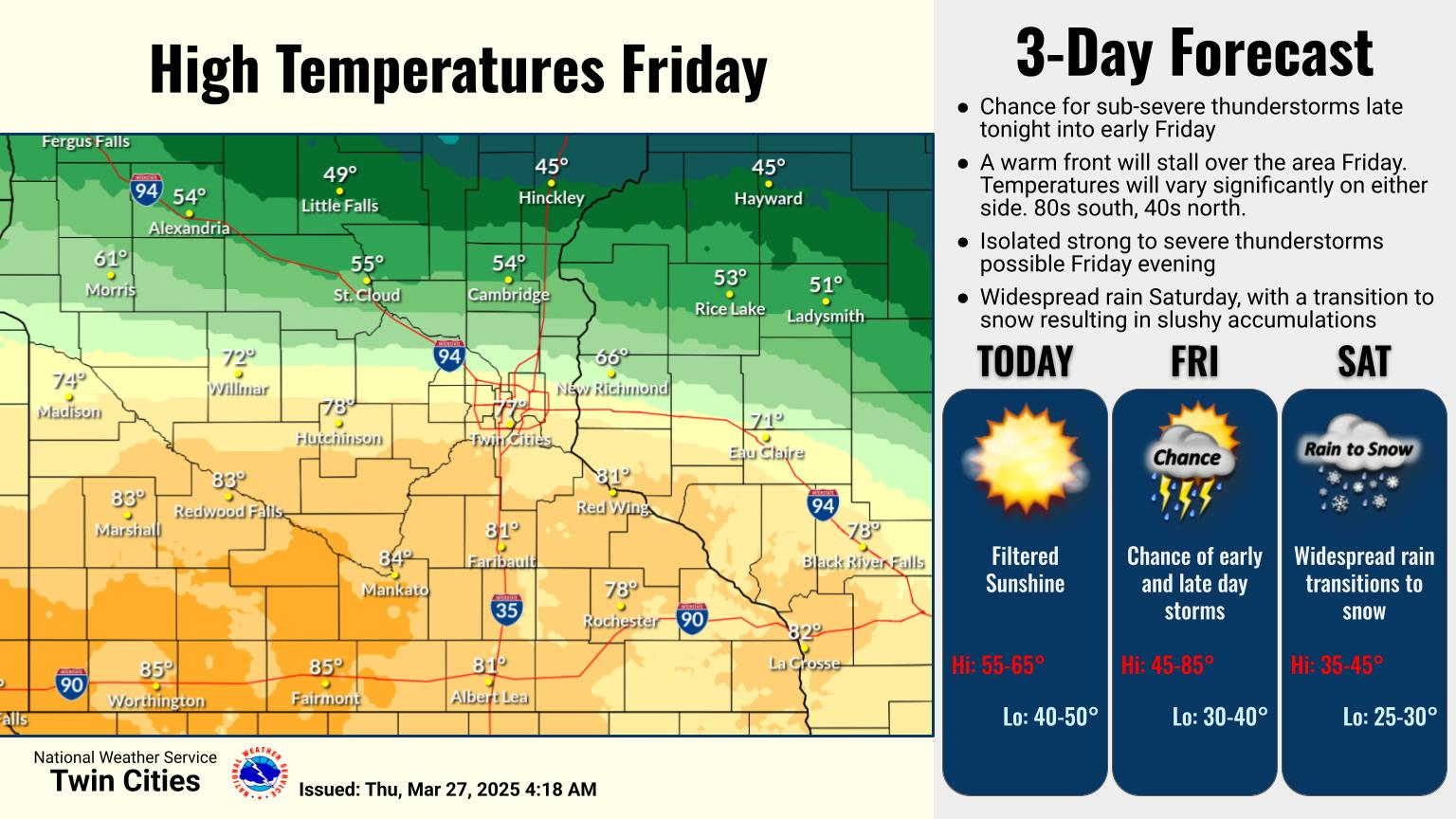
Regardless of the season, one common trait of the weather in this city is its tendency to change quickly. A sunny morning in Minneapolis can turn into a blustery afternoon in a matter of hours.
Master the Art of Layering
If you are visiting, the golden rule is “layers.” Even in the height of summer, a light jacket or cardigan is advisable for the evenings when the temperature drops. In the winter, high-quality thermal base layers, a moisture-wicking mid-layer, and a heavy, wind-resistant outer shell are mandatory.
Navigating Local Microclimates
It is worth noting that temperatures can vary slightly depending on where you are. The urban heat island effect often keeps the downtown area, near buildings like the IDS Center, slightly warmer than the parklands on the outskirts of the city. Conversely, being near a large body of water, such as Lake Bde Maka Ska, can provide a refreshing breeze that keeps things cooler during a heatwave.
Essential Travel Tips for Weather-Conscious Visitors
To ensure your trip is not derailed by the elements, keep these professional tips in mind:
- Check Local Meteorological Sources: Avoid relying solely on generic smartphone weather apps, which may miss the specific nuances of the local topography. Check local news outlets like WCCO for the most accurate, localized forecasts before you head out for the day.
- Monitor Dew Point and Humidity: While the temperature is the first thing people check, understanding the dew point will give you a better sense of how “sticky” or comfortable the air will actually feel.
- Plan Your Itinerary Around the Sun: In the dead of winter, the sun sets quite early. If you are planning an outdoor excursion, aim to do so during the midday hours when the temperature is at its daily peak.
- Embrace the Indoor Culture: When the weather is truly unpleasant, don’t try to fight it. Minneapolis has a wealth of indoor attractions, such as the Walker Art Center or the Mill City Museum, which are specifically designed to keep visitors engaged and comfortable regardless of what the weather is doing outside.
By keeping an eye on the temperature and dressing appropriately for the season, you will find that the climate in Minneapolis is not something to fear, but rather a defining element of the city’s character. Whether you are navigating the snow-dusted streets in January or enjoying a sunset by the water in July, the city offers an unparalleled experience that changes its color and tone with every turn of the calendar page. Stay informed, stay layered, and enjoy your time exploring everything that this northern gem has to offer.
LifeOutOfTheBox is a participant in the Amazon Services LLC Associates Program, an affiliate advertising program designed to provide a means for sites to earn advertising fees by advertising and linking to Amazon.com. Amazon, the Amazon logo, AmazonSupply, and the AmazonSupply logo are trademarks of Amazon.com, Inc. or its affiliates. As an Amazon Associate we earn affiliate commissions from qualifying purchases.