
For those exploring the rich biodiversity and rural landscapes of Mississippi, understanding local wildlife regulations is an essential part of responsible tourism. Whether you are a birdwatcher visiting the Delta National Forest or a photographer capturing the natural beauty of the Natchez Trace Parkway, you may find yourself wondering about the legal protections afforded to various species. Among the most common birds encountered in the Southern United States is the American Crow. While they are often viewed as agricultural pests, their status under federal and state law is more nuanced than many travelers realize.
The Federal Protection Framework and the Migratory Bird Treaty Act
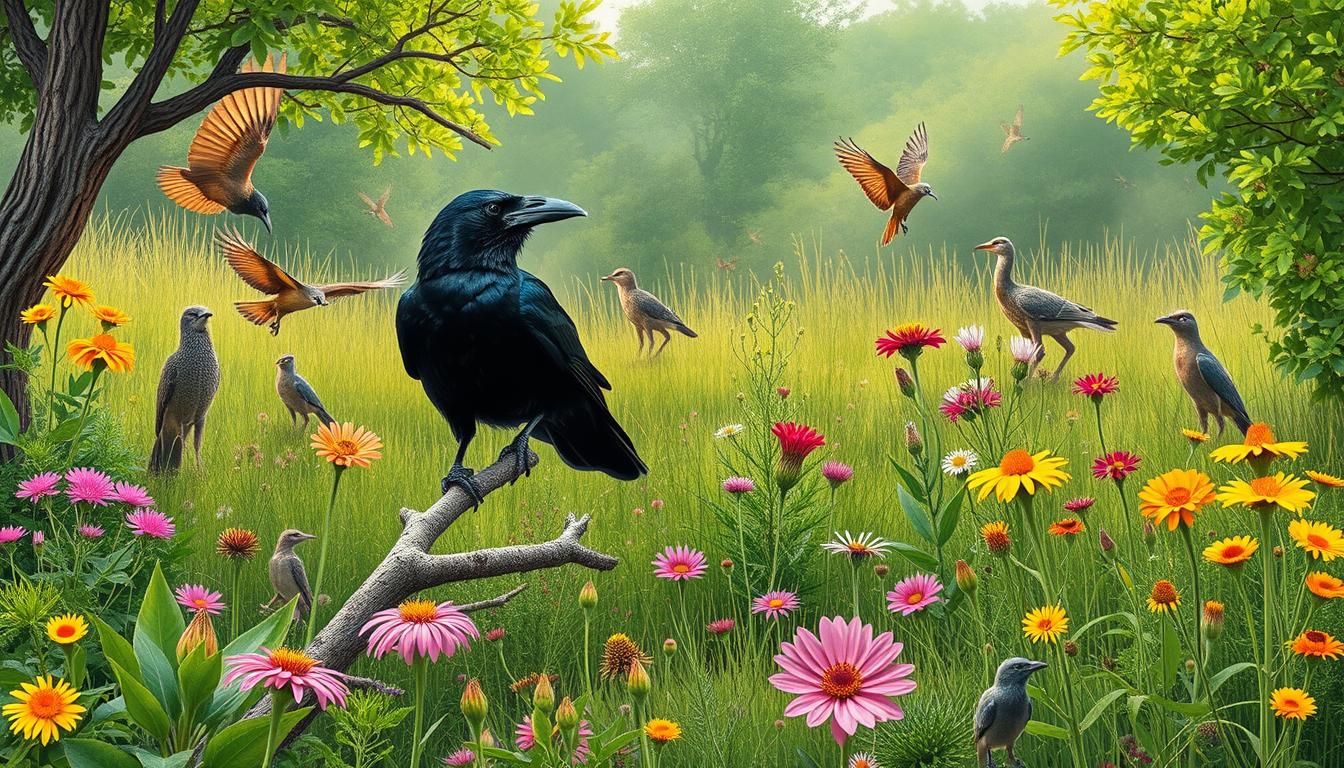
At the heart of the confusion surrounding avian protection in the United States is the Migratory Bird Treaty Act of 1918. This landmark piece of legislation was enacted to protect native migratory birds, and it places strict federal regulations on the taking, killing, or capturing of species covered by the treaty.
Why Crows Are Protected
Contrary to popular belief, crows are not exempt from federal oversight. Under the Migratory Bird Treaty Act, the American Crow is considered a migratory bird. This means that, at a federal level, it is generally illegal to hunt, kill, or possess crows without a specific permit or during authorized hunting seasons established by the U.S. Fish and Wildlife Service.
The Exception to the Rule
While the overarching law protects these birds, there are significant exceptions built into the regulations to balance conservation with agricultural interests. If a crow is committing damage to crops, ornamental trees, or livestock—or if they are perceived to pose a health hazard—federal law allows for limited lethal control. However, this authority is often delegated to state wildlife agencies, which set the specific parameters for how and when such actions can occur within their borders.
Navigating Mississippi Wildlife Regulations
When visiting regions such as Jackson or the wetlands near the Gulf Coast, it is vital to respect the local environment. The Mississippi Department of Wildlife, Fisheries, and Parks is the primary regulatory body that manages bird populations within the state. They interpret federal guidelines and translate them into actionable state laws for residents and visitors alike.
Authorized Hunting Seasons
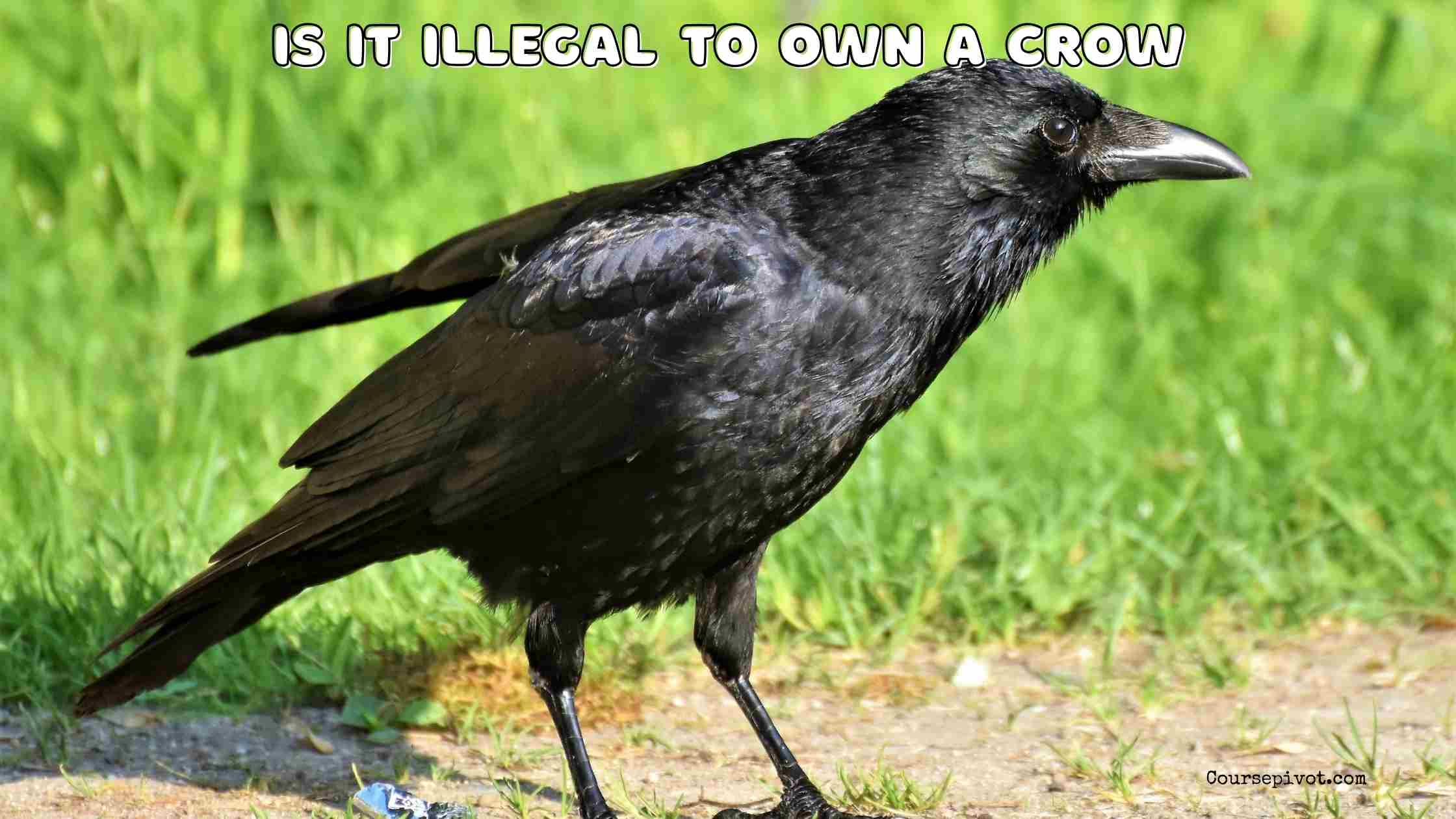
In Mississippi, the state provides an established season for hunting crows. During this designated timeframe, hunters may take crows with the appropriate licenses and in accordance with state bag limits. Outside of these specified dates, the general protections afforded to migratory birds apply. For a casual traveler or a visitor enjoying a stay at a local lodge near Tupelo, it is important to remember that these hunting regulations are intended for those specifically licensed and authorized to participate in these activities.
Nuisance Control Protocols
If you are staying at a rural property or a vacation rental in Oxford and encounter crows acting as a nuisance, the law does not grant individuals the right to indiscriminately destroy wildlife. The Mississippi Department of Wildlife, Fisheries, and Parks outlines specific nuisance animal control permits for landowners who are suffering significant property damage. These permits are rigorous and often require evidence of the damage. For the average visitor, the best course of action is to observe and appreciate the local fauna rather than interfering with their natural behavior.
Ecological Importance and Wildlife Stewardship
Beyond the legalities, there is a profound cultural and ecological reason to leave birds like the American Crow undisturbed. They are an integral part of the Southern United States ecosystem, acting as nature’s clean-up crew. Their role in scavenging helps prevent the spread of disease, and their presence is often indicative of a thriving, diverse habitat.
Observation as a Form of Tourism
Responsible tourism in places like the Vicksburg National Military Park thrives on the preservation of local wildlife. Birdwatching is a rapidly growing activity in Mississippi, providing economic benefits to local communities while fostering a deeper connection between visitors and the natural environment. By choosing to document wildlife through photography or observation, visitors contribute to a culture of stewardship that protects the state’s natural heritage for future generations.
Respecting the Environment
As you travel through the Magnolia State, from the historic streets of Natchez to the lush forests of the northern hills, remember that the “no harm” policy is the safest and most ethical approach. Even if a species is not explicitly listed as endangered, causing unnecessary harm to wildlife can lead to legal complications and is generally frowned upon by the local community. Engaging with the landscape in a respectful manner ensures that the beauty of Mississippi remains untarnished.
Ethical Considerations for Travelers
For many, travel is an opportunity to disconnect from the frantic pace of modern life and reconnect with the wild. The rules regarding crow hunting are not merely administrative hurdles; they reflect a broader commitment to conservation and ethical interaction with nature.
The Impact of Human Interference
When visitors attempt to intervene in wildlife behavior—whether by feeding, scaring, or trapping—they can disrupt the delicate balance of the ecosystem. Crows are highly intelligent and social creatures. Disrupting their nesting sites or causing them undue stress can have localized ripple effects on the environment. When exploring natural landmarks like Clark Creek Natural Area, the motto “leave no trace” should extend to the wildlife itself.

Informed Tourism
The best way to enjoy Mississippi is to be an informed guest. Before embarking on a hunting or wildlife-focused trip, visit the official website of the Mississippi Department of Wildlife, Fisheries, and Parks. Familiarizing yourself with the current hunting dates, permit requirements, and restricted areas not only keeps you on the right side of the law but also marks you as a responsible traveler who respects the intricate regulations that define the state’s outdoor culture.
In summary, while there are specific, highly regulated windows where crow hunting is permitted in Mississippi, these instances are strictly governed by state and federal laws designed to manage wildlife responsibly. For the casual visitor, the most appropriate action is to observe these birds from a distance and appreciate their role in the vibrant, complex ecosystem of the American South. By adhering to these guidelines, visitors can ensure that their time spent exploring the natural wonders of this state remains both legal and profoundly rewarding.
LifeOutOfTheBox is a participant in the Amazon Services LLC Associates Program, an affiliate advertising program designed to provide a means for sites to earn advertising fees by advertising and linking to Amazon.com. Amazon, the Amazon logo, AmazonSupply, and the AmazonSupply logo are trademarks of Amazon.com, Inc. or its affiliates. As an Amazon Associate we earn affiliate commissions from qualifying purchases.