
The 1988 film Mississippi Burning left an indelible mark on American cinema, portraying a harrowing narrative of investigation, systemic racism, and social upheaval. While the film is a dramatized work of fiction, it is rooted in the brutal, tragic reality of the 1964 civil rights movement in the United States. For those interested in the historical geography of the American South, understanding the intersection of this film and the actual locations in Mississippi is essential for grasping the gravity of the events that transpired during the “Freedom Summer.”
The Historical Foundation: Freedom Summer and Neshoba County
To determine the veracity of the film, one must look at the real-life events that served as the catalyst for the narrative. The film centers on the investigation into the disappearance of three civil rights workers. In reality, this event—often referred to as the Neshoba County murders—involved James Chaney, Andrew Goodman, and Michael Schwerner.

The Disappearance in Philadelphia
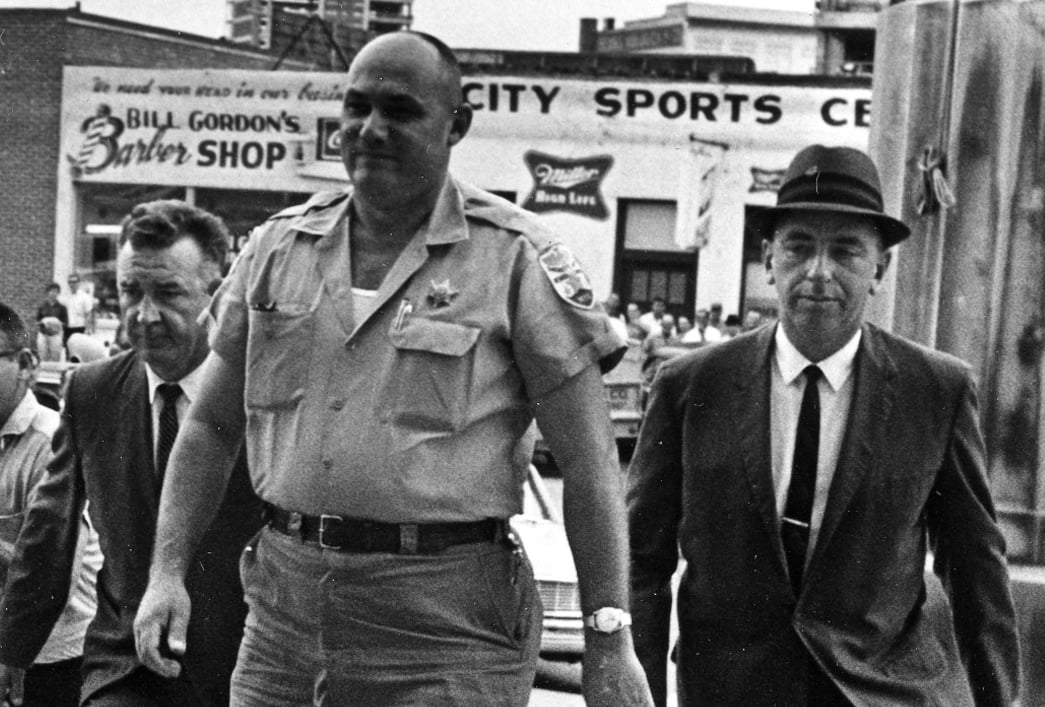
On June 21, 1964, the three men were abducted and murdered by members of the White Knights of the Ku Klux Klan near Philadelphia, Mississippi. Their disappearance sparked a massive manhunt led by the Federal Bureau of Investigation, which became known as the Mississippi Burning investigation, or “MIBURN.”
Fact vs. Hollywood Fiction
While the core of the film—the brutal slaying of civil rights workers and the subsequent federal investigation—is based on historical fact, the filmmakers took significant creative liberties. The central characters, played by Gene Hackman and Willem Dafoe, are fictional composites of various FBI agents involved in the case. Furthermore, the film implies that the investigation was resolved primarily through extra-legal coercion and intense, violent tactics, which remains a point of contention for historians who argue that the actual case was solved through methodical intelligence gathering and the use of informants.
Exploring the Historical Landmarks of the Civil Rights Movement
For travelers interested in the history of the South, visiting the sites associated with these events provides a sobering and educational experience. The landscape of Neshoba County is dotted with markers that acknowledge the struggle for equality.
Visiting Neshoba County
Traveling through Mississippi today offers a glimpse into a state that has spent decades grappling with its past. In Philadelphia, visitors can find historical markers that designate the locations related to the 1964 tragedy. These sites serve as essential landmarks for understanding the evolution of civil rights in America. Standing at these locations, one cannot help but feel the weight of history that once defined this region.
The Significance of Regional Tourism
Heritage tourism in Mississippi has grown significantly, focusing on the preservation of sites that tell the full story of the civil rights movement. Beyond the specific sites mentioned in the movie, travelers often frequent the Mississippi Civil Rights Museum in Jackson. This museum provides a comprehensive look at the realities of life in the South during the mid-20th century, offering a much more nuanced and accurate perspective than any Hollywood film could achieve.
The Cultural Landscape of the American South
The legacy of the events depicted in Mississippi Burning transcends the borders of any single town. It represents a pivot point in the cultural history of the American South.
Lessons in Historical Preservation
The preservation of landmarks such as the Old Courthouse Museum or various civil rights trail markers is crucial for modern tourism. These sites invite travelers to engage with the complex, often painful history of the region. By visiting these areas, tourists are not merely sightseeing; they are participating in a process of collective memory and acknowledgment.
Connecting the Movie to the Destination
When travelers watch a film like Mississippi Burning, it often ignites a curiosity about the places where the narrative unfolds. However, it is vital to distinguish between the aestheticized version of the past presented in film and the actual historical environment.
- Authentic Engagement: Rather than seeking the “movie experience,” travelers should seek the “historical experience.” This involves visiting authentic archives, monuments, and communities that have preserved their history with integrity.
- The Role of Education: Tourism in these areas serves as a bridge between the past and the present. It encourages a deeper conversation about the societal progress that has been made and the work that still remains.
Reflecting on the Past Through Travel
Understanding whether Mississippi Burning is a true story requires a nuanced look at how we consume history. Film is a medium for drama, while historical sites are mediums for truth. For those traveling through Alabama, Louisiana, or Mississippi, the history of the 1960s is etched into the very soil of the landscape.
A Journey of Remembrance
Whether you are interested in the architecture of Southern towns, the history of National Historic Landmarks, or the sociology of the Civil Rights Trail, the South offers a profound opportunity for reflection. The film may have brought national attention to the events of 1964, but the true story lives on in the communities and the museums that honor the lives of James Chaney, Andrew Goodman, and Michael Schwerner.

Recommendations for Historical Travelers
If you are planning a trip to explore these sites, consider the following:
- Prioritize Museum Tours: Institutions like the Civil Rights Museum offer context that movies often omit.
- Visit Local Historical Societies: These organizations often provide the most accurate narratives regarding the local impact of the civil rights movement.
- Engage with Local Guides: Speaking with individuals who have deep roots in the community can provide insights that aren’t found in standard guidebooks.
By approaching these destinations with respect and an eye toward historical accuracy, travelers can honor the complexities of the past. Mississippi Burning may have been the introduction for many, but the real journey begins when you step foot on the ground where the history actually happened. The legacy of these events is not just found in the flickering images of a cinema screen, but in the enduring spirit and memory of the towns throughout the American South. As you navigate the geography of this historic region, you realize that the narrative of progress is ongoing, and every visit contributes to the preservation of a vital, if often difficult, American story.
LifeOutOfTheBox is a participant in the Amazon Services LLC Associates Program, an affiliate advertising program designed to provide a means for sites to earn advertising fees by advertising and linking to Amazon.com. Amazon, the Amazon logo, AmazonSupply, and the AmazonSupply logo are trademarks of Amazon.com, Inc. or its affiliates. As an Amazon Associate we earn affiliate commissions from qualifying purchases.