
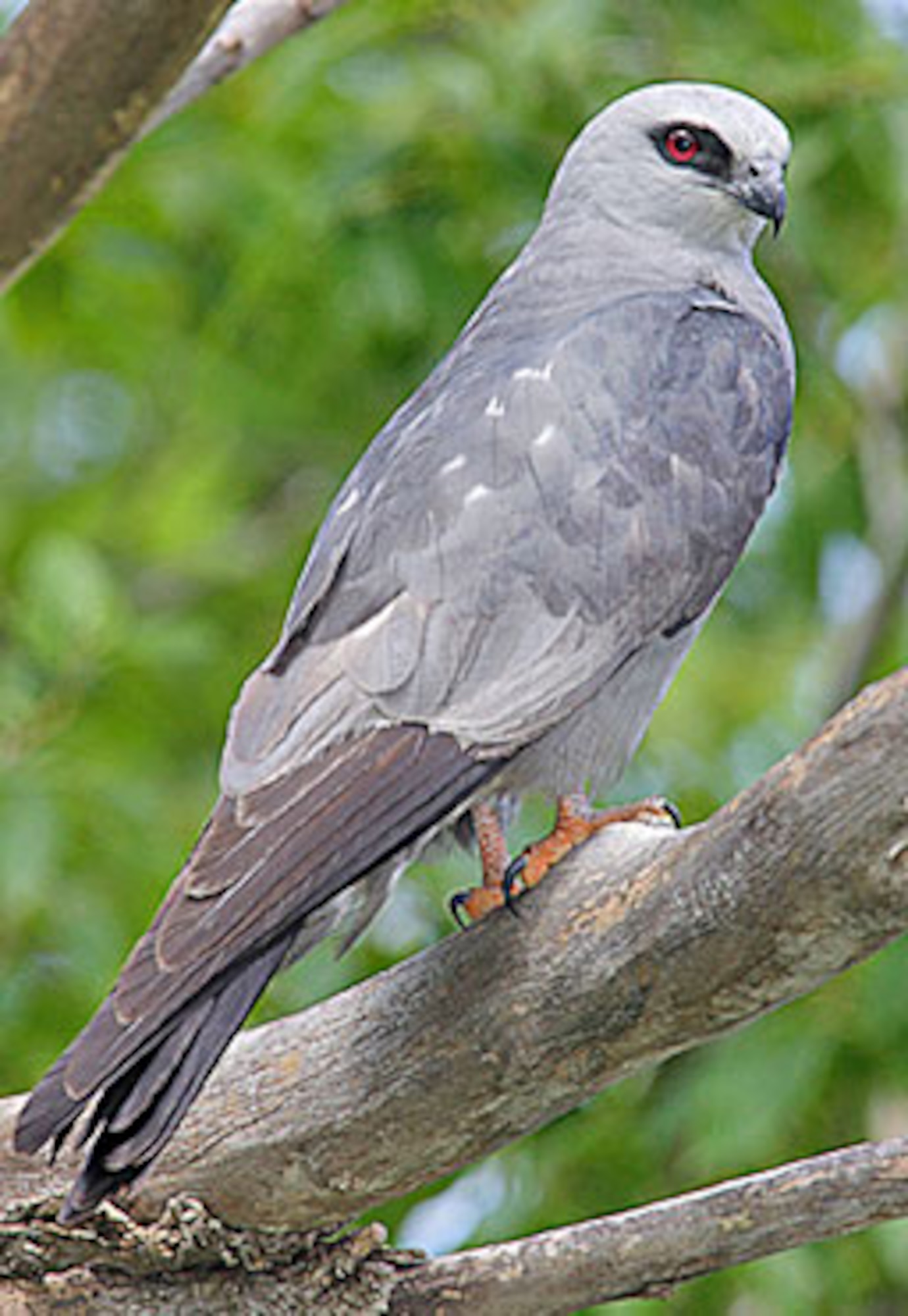
When observing the natural wonders of the United States, few birds are as elegant and agile as the Mississippi Kite. Often spotted gliding gracefully over the expansive landscapes of Mississippi or soaring through the humid skies of Louisiana, these raptors are masters of aerial acrobatics. Unlike many other hawks that favor small mammals, the Mississippi Kite is a specialized insectivore, serving as a vital component of the ecosystem in the southeastern reaches of North America. Understanding their dietary habits provides a fascinating glimpse into how these birds interact with their environment and why they are so beloved by birdwatchers across the Gulf Coast.

The Primary Diet: An Aerial Feast
The Mississippi Kite is an opportunist of the highest order. Its morphology—long, pointed wings and a slender, flexible tail—is perfectly adapted for catching prey on the wing. While many birds of prey hunt by scanning the ground from a perch, the Mississippi Kite prefers to hunt while flying, snatching its meals directly from the air.
The Preference for Large Insects
The vast majority of a Mississippi Kite’s diet consists of large insects. During the summer breeding season, when insect populations are at their peak, these birds feast on a variety of snacks that would otherwise become garden or crop pests. Their preferred menu items include:
- Dragonflies: These are perhaps the most iconic prey for the kite. Their erratic flight patterns are no match for the kite’s precision.
- Cicadas: During the intense heat of a Southern summer, cicadas emerge in massive numbers, providing a high-protein buffet for the kites.
- Grasshoppers and Locusts: When these insects swarm in grassy fields, the kites can often be seen diving to capture them mid-air or plucking them from the tops of stalks.
- Beetles: Various large beetles are frequently caught and consumed, especially when they are in their flight phase.
By consuming such massive quantities of insects, Mississippi Kites act as a form of natural pest control. Whether they are patrolling the parks of New Orleans or hovering above the agricultural fields of Arkansas, they play a crucial role in maintaining the balance of local insect populations.
Specialized Foraging Tactics
What makes the Mississippi Kite truly unique is how it consumes its food. Unlike a red-tailed hawk that might take prey to a post to tear it apart, the Mississippi Kite is capable of eating on the fly. It will often catch a dragonfly, maneuver the insect toward its beak with its talons while still in mid-air, and consume the prey without ever slowing its momentum. This high-efficiency feeding method allows the birds to spend more time in the air, scanning for the next target, which is essential during the energy-intensive months of raising fledglings.
Opportunistic Consumption and Secondary Prey
While the Mississippi Kite is undeniably an insect specialist, it is also a generalist when the situation demands it. As the seasons shift and insect abundance declines, or when the birds are feeding rapidly growing chicks that require more substantial nutrients, their diet can diversify.

Small Vertebrates and Amphibians
While insects remain the staple, adult Mississippi Kites are occasionally observed taking small vertebrates. This behavior is more common when the birds are foraging for their young, as they look to provide a more caloric dense meal. Potential additions to their diet include:
- Small Lizards: In areas like Florida or Texas, where reptiles are abundant, these kites may snatch small lizards from tree branches.
- Frogs and Toads: Near wetlands or after heavy rain, they may pluck amphibians from the ground or shallow water.
- Small Birds or Nestlings: Occasionally, a Mississippi Kite will target the nestlings of other birds, though this is significantly less common than their insect-hunting behavior.
- Small Snakes: They have been known to consume small, non-venomous snakes that venture into open areas where the kites can easily spot them from above.
The Role of Environmental Conditions
The availability of these secondary food sources is highly dependent on the local climate and habitat. In well-irrigated suburban areas, the diet might remain almost exclusively insect-based. In contrast, those nesting in more rugged, rural Oklahoma or Georgia might incorporate more vertebrates into their daily intake. The adaptability of the Mississippi Kite is a key reason for its continued success in human-altered landscapes.
Ecosystem Impact and Human Observation
The relationship between the Mississippi Kite and its environment is one of mutual benefit. As humans continue to develop land in the United States, many species of raptors are displaced. However, the Mississippi Kite has shown a remarkable ability to adapt to human-populated areas, provided there is enough green space to support a healthy insect population.
Suburban Success Stories
It is not uncommon to see Mississippi Kites circling above suburban neighborhoods or golf courses in cities like Houston or Memphis. These areas are often rich in the types of insects the kites enjoy, particularly as manicured lawns and ornamental gardens create ideal habitats for cicadas and beetles. For residents in these regions, the presence of these raptors is a sign of a healthy, functioning ecosystem.
Observations for Birders
For those interested in watching these birds, the best time to see them in action is during their active hunting hours, which usually span from mid-morning to late afternoon. Because they hunt on the wing, they are incredibly easy to identify once you know what to look for. Look for their distinct, pointed, “falcon-like” wing shape and their habit of soaring in slow, wide circles.
When observing them, you might notice them making sharp, sudden turns or tucking their wings to perform a quick dive—this is a clear indication that they have spotted an insect and are making a strike. Seeing a Mississippi Kite successfully snatch a dragonfly from the air is one of the most rewarding experiences for nature enthusiasts traveling through the American South.
Conservation and the Future
Protecting the habitats where Mississippi Kites forage is essential. While they are not currently listed as a threatened species, the loss of mature trees for nesting and the widespread use of certain insecticides can negatively impact their populations. By preserving patches of woodland and minimizing the use of harsh chemicals, communities can help ensure that these elegant insect-eaters continue to grace the skies for generations to come.
Their reliance on insects makes them a canary in the coal mine for environmental health. If the insect populations in a region decline due to over-spraying or habitat degradation, the Mississippi Kites will soon follow, leaving a void in the local ecosystem. Consequently, protecting the Mississippi Kite is not just about saving a beautiful bird; it is about protecting the entire web of life that sustains them. Whether you are visiting the National Park Service sites across the region or simply exploring your own backyard, keep an eye on the sky—you might just catch a glimpse of the incredible, insect-hunting prowess of the Mississippi Kite.
LifeOutOfTheBox is a participant in the Amazon Services LLC Associates Program, an affiliate advertising program designed to provide a means for sites to earn advertising fees by advertising and linking to Amazon.com. Amazon, the Amazon logo, AmazonSupply, and the AmazonSupply logo are trademarks of Amazon.com, Inc. or its affiliates. As an Amazon Associate we earn affiliate commissions from qualifying purchases.