
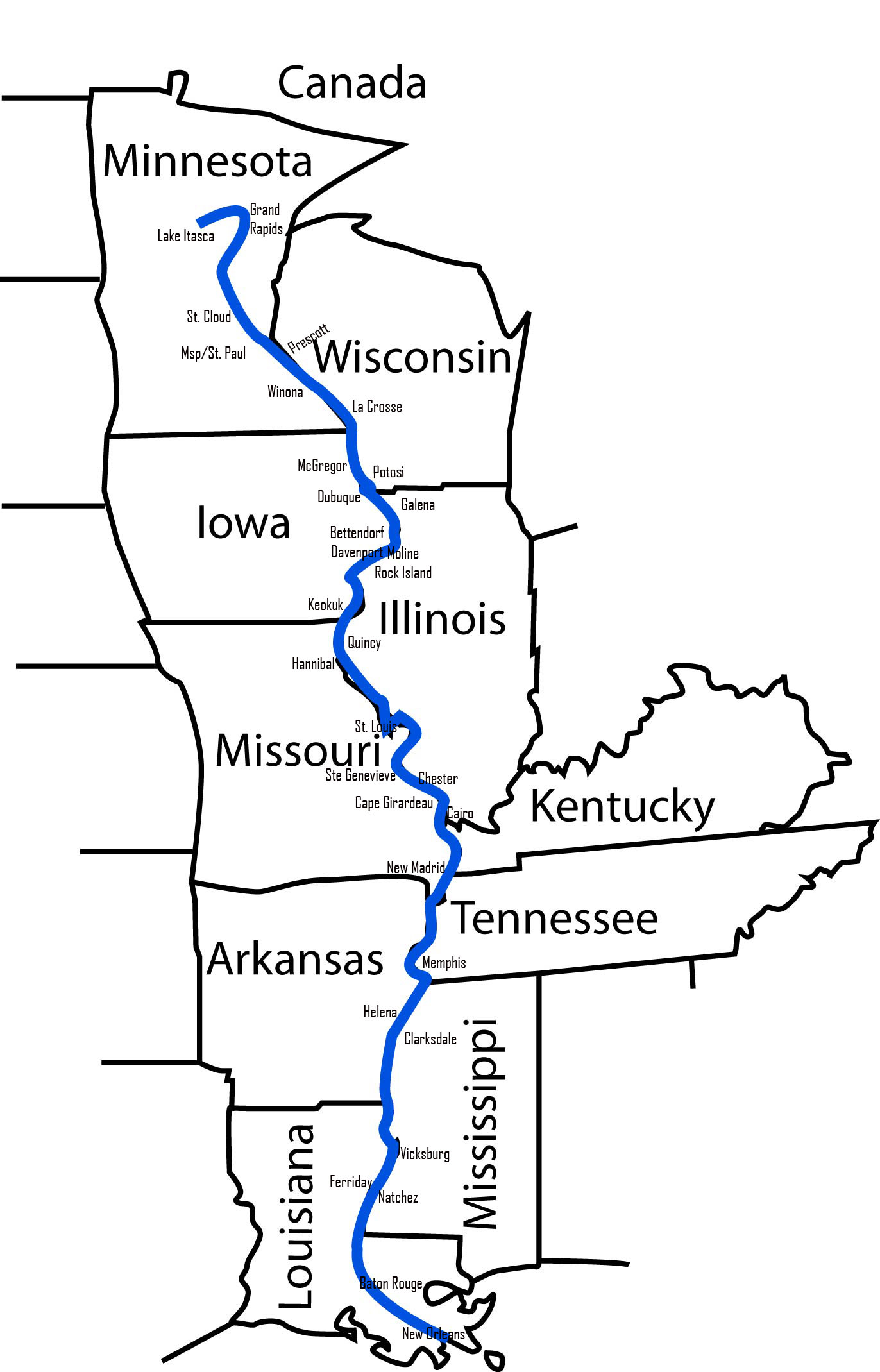
The Mississippi River stands as the colossal backbone of the United States, a winding waterway that has shaped the history, ecology, and economy of the heartland for centuries. Stretching over 2,300 miles from its humble beginnings to the vast Gulf of Mexico, this iconic river traverses ten distinct states. Understanding the geography of the “Father of Waters” is essential for anyone interested in the natural wonders of North America.
The Upper Mississippi: From Wilderness to Heartland
The journey begins in the dense, serene forests of Minnesota. At Lake Itasca, the river starts as a narrow, shallow stream that visitors can easily step across. As it gains momentum, it flows southeast, marking the border between several states and defining the regional landscape.

Minnesota and Wisconsin
As the river winds through Minnesota, it passes through major urban centers like Minneapolis and St. Paul, where the riverfront has been revitalized into vibrant recreational spaces. Shortly thereafter, the river acts as the natural boundary between Minnesota and Wisconsin. This stretch is characterized by dramatic bluffs, lush river valleys, and a slower, meandering pace that draws nature enthusiasts from across the country.
Iowa and Illinois
Continuing its southward path, the river forms the border between Iowa and Illinois. This section of the waterway is vital for commerce, flanked by historic river towns that grew prosperous due to the steamboat era. Visitors exploring this region often find themselves immersed in the deep, agricultural history of the American Midwest. The river here is wide and industrious, serving as a critical artery for the transport of grain and goods, yet it remains a scenic corridor defined by rolling hills and small-town charm.
The Mid-Section: The Confluence of Culture and History
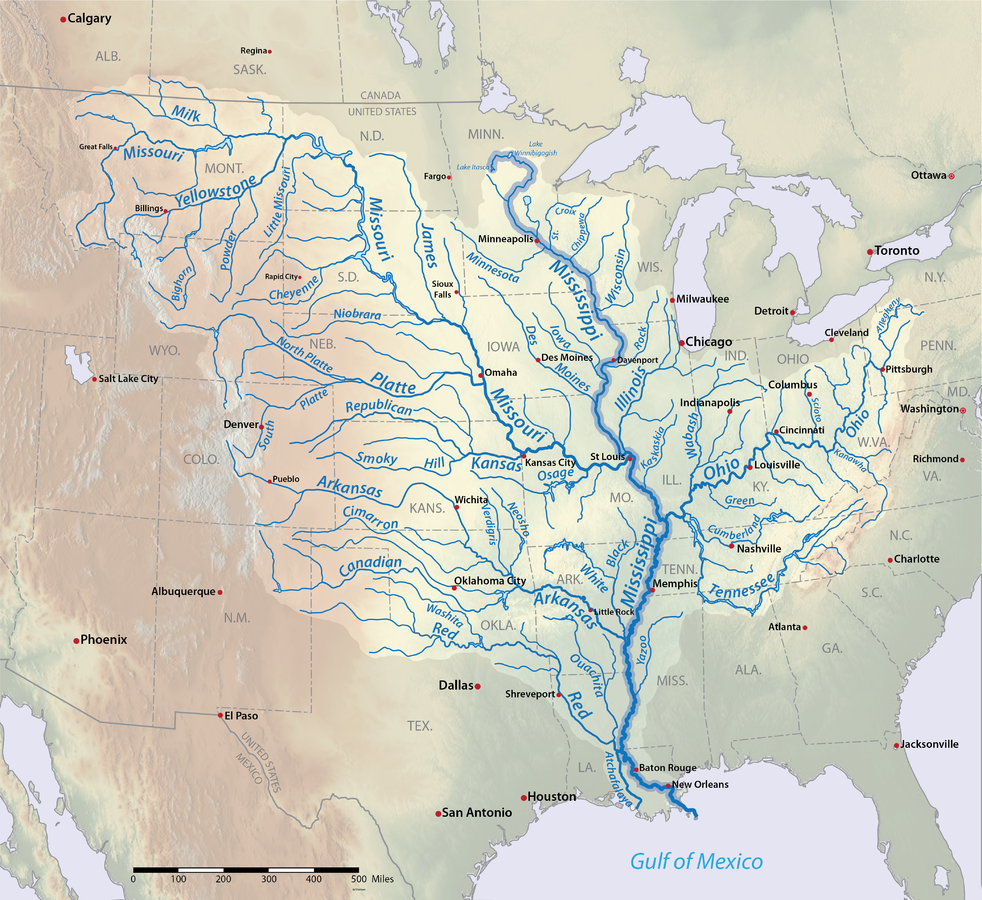
As the river pushes deeper into the heart of the country, it touches Missouri, serving as the eastern boundary of the state. It is here that the river meets the Missouri River near St. Louis, creating a confluence that has been pivotal in the westward expansion of the nation.
The Gateway to the West
St. Louis is home to the iconic Gateway Arch, a monument that symbolizes the city’s role as the launching point for explorers heading toward the Pacific. The riverfront in this area is more than just a navigational channel; it is a historic landmark where industrial heritage meets modern urban development. From the decks of riverboats in Missouri, travelers can view the architectural skyline while reflecting on the massive impact this river has had on American development.
Kentucky and Tennessee
Further downstream, the river brushes against the western edges of Kentucky and Tennessee. The city of Memphis, located on the banks in Tennessee, is world-famous for its deep musical roots—specifically the blues—and its barbecue. The river has long been a source of inspiration for musicians, writers, and artists who have lived along its banks, imbuing the region with a cultural depth that is palpable even today.
The Lower Mississippi: Reaching the Delta
The final leg of the river’s journey is through the South, where it flows through Arkansas, Mississippi, and Louisiana. This region is defined by flat, fertile land, bayous, and a humid, subtropical climate that supports a unique ecosystem.
Arkansas and Mississippi
In the Arkansas and Mississippi stretch, the river is at its most powerful and untamed. The landscape here is defined by oxbow lakes and vast agricultural expanses. These states offer a different perspective on the river, one deeply connected to the plantation history of the Delta region. Travelers looking for authenticity often visit towns like Natchez or Vicksburg, where antebellum architecture provides a hauntingly beautiful contrast to the massive, moving body of water that dictates the rhythm of life.
The Grand Finale: Louisiana
The river completes its path in Louisiana, where it winds past historic plantations and the vibrant streets of New Orleans. By the time the river reaches this state, it has collected water from over 40% of the contiguous United States. The Mississippi River Delta is a complex network of wetlands and waterways that eventually empty into the Gulf of Mexico. This final destination is a melting pot of cultures, where the traditions of France, Spain, and Africa have blended over centuries, largely facilitated by the trade and transportation opportunities provided by the river.
Exploring the River Today
For the modern traveler, the Mississippi River is more than just a geographical feature; it is an adventure waiting to be mapped out. Whether you are interested in the pristine headwaters in Minnesota or the jazz-filled nights in New Orleans, the river offers endless exploration.
Outdoor Adventures and Scenic Byways
The Great River Road is a series of state and local roads that follow the river’s path through all ten states. It is one of the most famous scenic drives in the world, allowing travelers to experience the diversity of the American landscape at their own pace. From biking trails in Wisconsin to fishing excursions in Louisiana, the opportunities for recreation are as varied as the states themselves.
Historical Landmarks and Preservation
Preserving the history of the river has become a priority, with numerous national parks, historical sites, and museums dedicated to the waterway. Visiting places like the Mississippi River Museum or walking through historical districts in Memphis provides a comprehensive look at how the river has shaped, and been shaped by, the people who live along it.
The ten states that host this magnificent waterway—Minnesota, Wisconsin, Iowa, Illinois, Missouri, Kentucky, Tennessee, Arkansas, Mississippi, and Louisiana—are forever linked by the currents that flow through them. To travel the length of the river is to travel through the very heart of the American experience, witnessing the transition from quiet northern wilderness to the bustling, cultural crossroads of the southern coast. Each state offers its own unique take on the river, making it a destination that warrants multiple visits and a lifetime of exploration.
LifeOutOfTheBox is a participant in the Amazon Services LLC Associates Program, an affiliate advertising program designed to provide a means for sites to earn advertising fees by advertising and linking to Amazon.com. Amazon, the Amazon logo, AmazonSupply, and the AmazonSupply logo are trademarks of Amazon.com, Inc. or its affiliates. As an Amazon Associate we earn affiliate commissions from qualifying purchases.