
The Mississippi River is often referred to as the “Father of Waters,” a name derived from the Ojibwe word misi-ziibi. Stretching across the heart of the United States, it stands as one of the most significant natural landmarks in North America. To understand the geography of this monumental waterway, one must look at the fundamental principles of hydrology and the specific topography of the central continent.
The Direction of the Current: North to South
The question of which way the Mississippi River flows is a common inquiry that often highlights a misunderstanding of how rivers function. Contrary to the myth that all rivers flow south, the Mississippi River does indeed flow from north to south, but it does so simply because it follows the downward slope of the terrain.

The Source at Lake Itasca
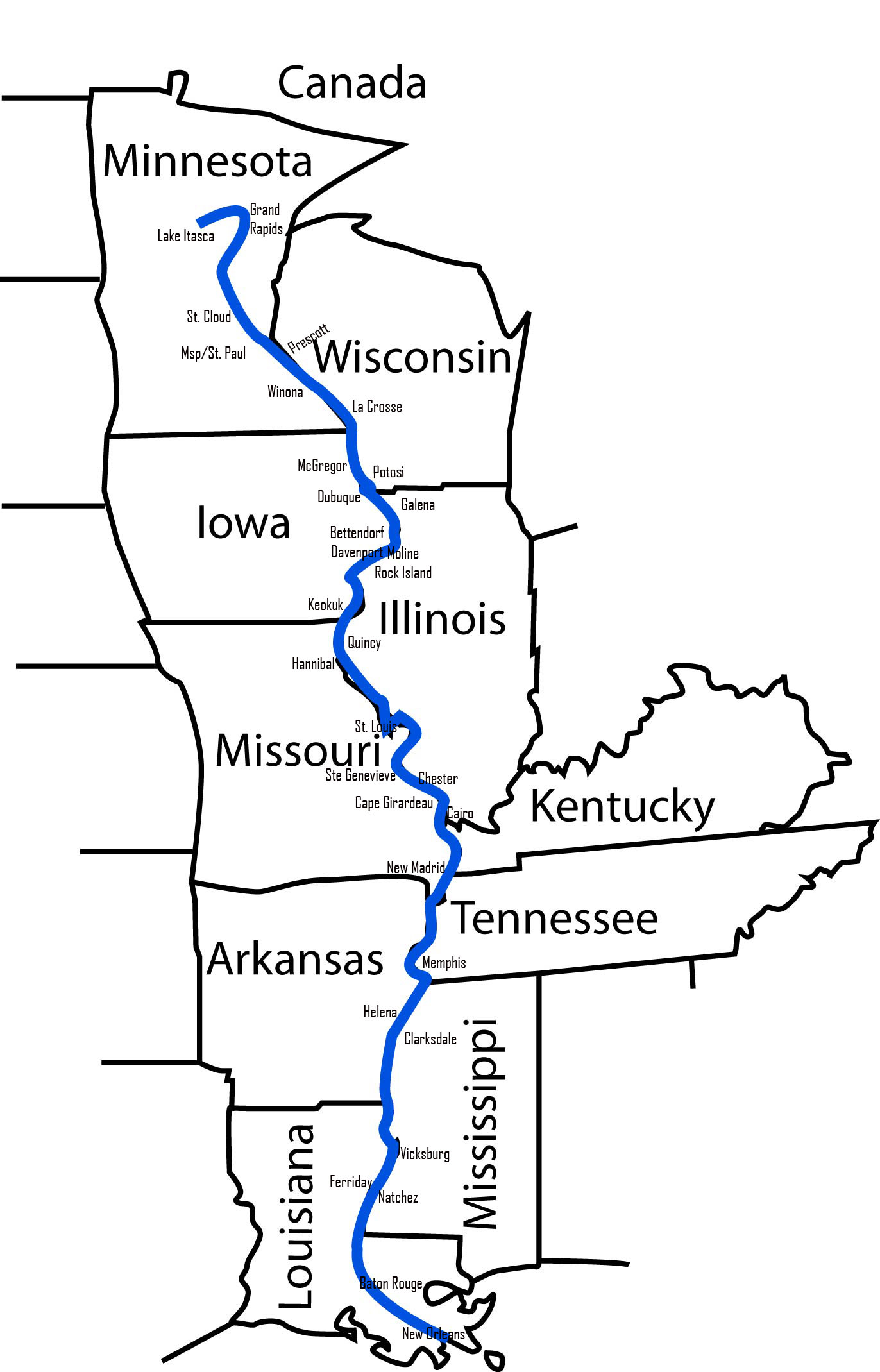
The journey begins at Lake Itasca, a small glacial lake located within Itasca State Park in northern Minnesota. At this point of origin, the elevation is approximately 1,475 feet above sea level. From this serene starting point, the water begins its descent toward the Gulf of Mexico.
Gravity as the Architect
Rivers are essentially conduits for water moving from higher elevation to lower elevation. The Central United States features a vast basin that slopes steadily from the Great Lakes region and the Rocky Mountains down toward the southern coastline. Because the land at the headwaters in Minnesota is significantly higher in elevation than the land at the Mississippi Delta, gravity pulls the water southward across the mid-continental plains.
The Geological Significance of the River Basin
The Mississippi River is not merely a single channel of water; it is the primary drainage system for the Mississippi River Basin. This massive watershed covers roughly 40% of the United States, collecting runoff from as far west as the Continental Divide and as far east as the Appalachian Mountains.
The Role of Major Tributaries
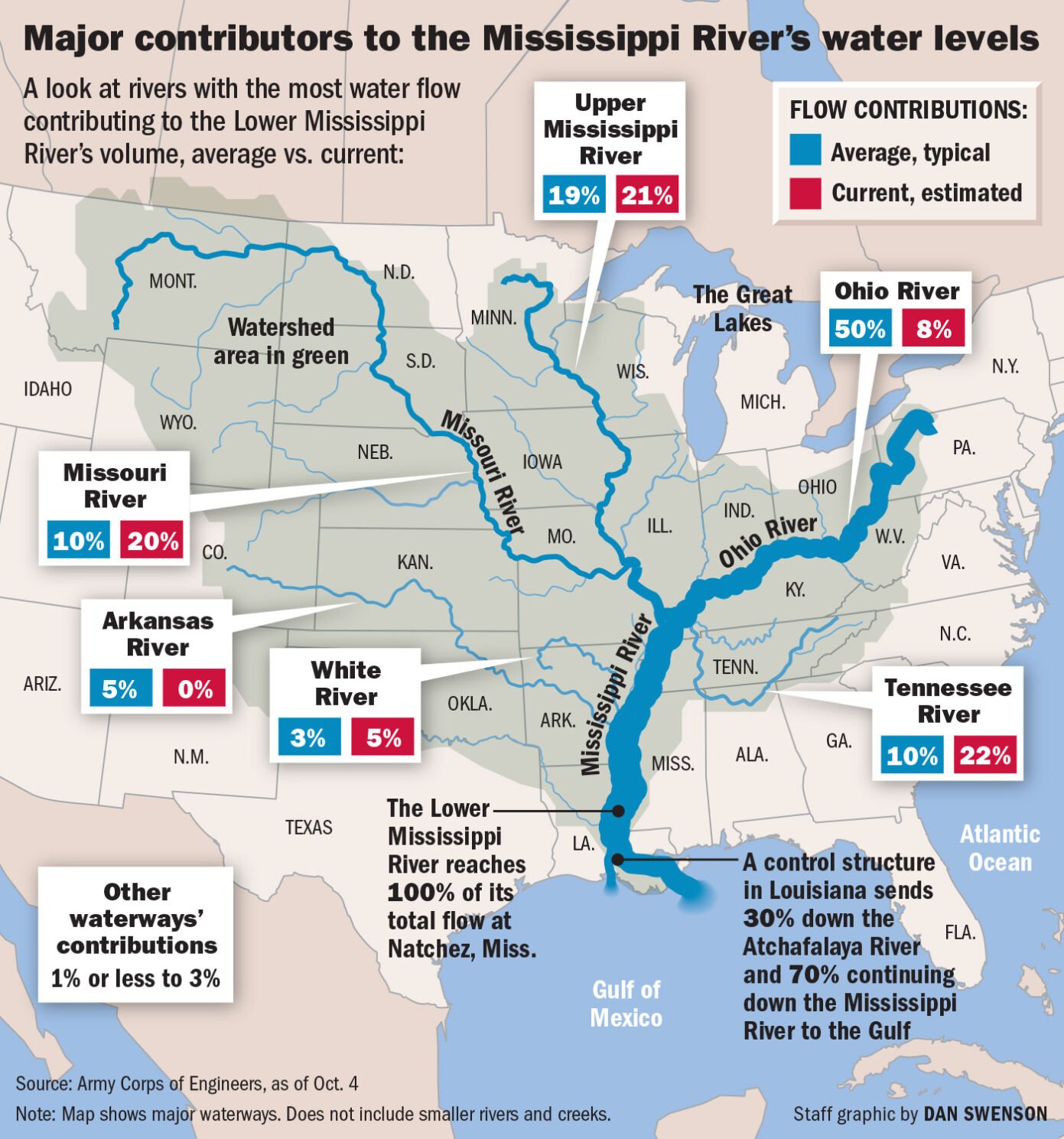
The flow of the river is reinforced and defined by its many tributaries. The Missouri River enters from the west, while the Ohio River joins from the east. The confluence of these massive bodies of water creates a powerful, sustained flow that has shaped the history and economy of the region for centuries. Without the constant input from these various systems, the Mississippi River would not maintain the consistent southward velocity that characterizes its lower reaches.
Navigating the Human Impact
Throughout history, humans have attempted to alter the natural flow of this landmark. From the creation of the Old River Control Structure to the channelization managed by the U.S. Army Corps of Engineers, the river has been engineered to support navigation and prevent catastrophic flooding. These structures do not change the ultimate direction of the flow—which remains governed by gravity—but they do regulate the speed and distribution of the water as it passes through states like Louisiana and Mississippi.
A Landmark for History and Culture
Beyond its hydrological role, the Mississippi River serves as a monumental landmark that separates the eastern and western parts of the United States. It has been the setting for literature, trade, and cultural evolution, acting as a “Main Street” for the American interior.
The Delta and the End of the Journey
As the river approaches the end of its 2,300-mile journey, it enters the massive, sediment-rich landscape of New Orleans. Here, the river slows down significantly, dropping the vast quantities of earth and debris it has collected along its path. This process creates the fertile, sprawling Mississippi River Delta, an ecological treasure that serves as a vital transition point between the inland river system and the saltwater of the Gulf of Mexico.
Historical Preservation and Tourism
Today, the river is a focal point for those interested in the history of the American South. Visitors can travel along the Great River Road, a scenic byway that follows the winding path of the river through ten different states. Whether one is visiting the historic streets of St. Louis or exploring the maritime heritage of Memphis, the presence of the Mississippi River is always felt. It remains a testament to the power of nature and the relentless, downward pull of gravity.
Understanding the Flow Dynamics
When we study the Mississippi River, we are essentially studying the landscape of North America itself. The river is the lowest point in the basin, drawing water toward it from thousands of miles away.
Why the Misconception Persists
The common confusion regarding river flow—the idea that rivers flow “down” on a map because the map is oriented north-up—is a psychological bias. Because we associate “up” on a map with “north,” we subconsciously expect things to move “down” or south. However, rivers like the Mississippi River prove that topographical elevation is the only metric that matters. Even in the far north of Minnesota, the earth is elevated enough that water has no choice but to head south.
The Future of the Waterway
Climate and environmental changes continue to influence the velocity and volume of the Mississippi River. As weather patterns shift, the amount of precipitation flowing into the Mississippi River Basin fluctuates, affecting the water levels and the sediment transport that keeps the Mississippi River Delta alive. Observing this flow is not just an exercise in geography, but an ongoing study of how our planet maintains its vital balance.
Whether it is the quiet ripples at the source in Lake Itasca or the powerful, wide expanse passing through Louisiana, the Mississippi River serves as a constant, southward-bound reminder of the physical laws that dictate the shape of our world. It remains a landmark that has defined the growth and development of the United States for generations, standing as a testament to the enduring path from the cool forests of the north to the warm, open waters of the south.
LifeOutOfTheBox is a participant in the Amazon Services LLC Associates Program, an affiliate advertising program designed to provide a means for sites to earn advertising fees by advertising and linking to Amazon.com. Amazon, the Amazon logo, AmazonSupply, and the AmazonSupply logo are trademarks of Amazon.com, Inc. or its affiliates. As an Amazon Associate we earn affiliate commissions from qualifying purchases.