
For centuries, the Mississippi River has stood as the defining artery of the United States. It is a waterway that shaped the destiny of a continent, serving as a conduit for trade, exploration, and cultural exchange. While its mouth, where it spills into the Gulf of Mexico, is a monumental feat of geography, the journey to its headwaters is equally compelling. The answer to where this mighty river begins is not merely a coordinate on a map; it is a pilgrimage to the heart of the North American wilderness.
The Quest for the Source: Lake Itasca
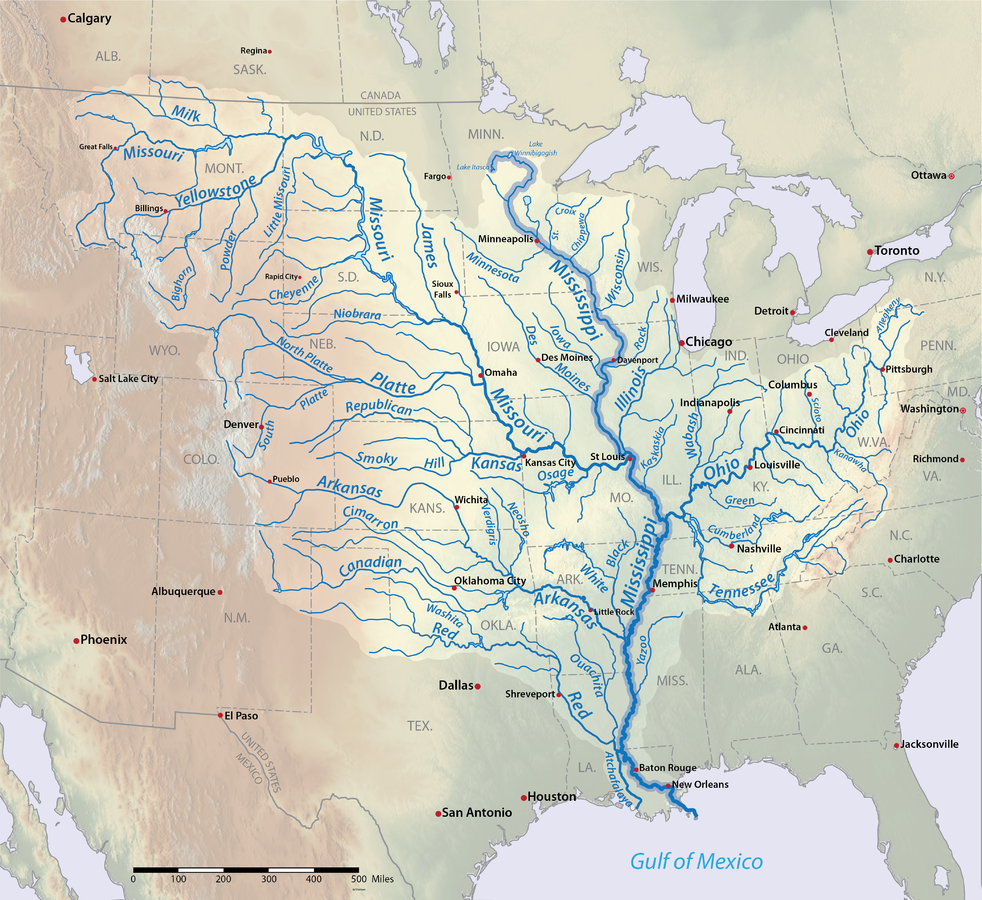
The true source of the Mississippi River is Lake Itasca, a modest, pristine body of water located within the rugged landscape of Itasca State Park in northern Minnesota. For decades, explorers and geographers debated the true origin of the river, with various streams and springs being proposed as the definitive starting point. However, in 1832, an expedition led by Henry Schoolcraft officially identified Lake Itasca as the primary headwaters.

A Natural Wonder in Minnesota
Visiting the headwaters offers a unique perspective on the river’s scale. At this northern latitude, the Mississippi River begins as a gentle, ankle-deep stream of crystal-clear water. Visitors can step directly into the riverbed and walk across the narrow channel, a stark contrast to the churning, wide currents found in New Orleans or St. Louis. The surrounding landscape is characterized by towering stands of white pine, red pine, and balsam fir, creating a tranquil sanctuary that feels far removed from the urban industrialization often associated with the lower reaches of the river.
The Geography of the Headwaters
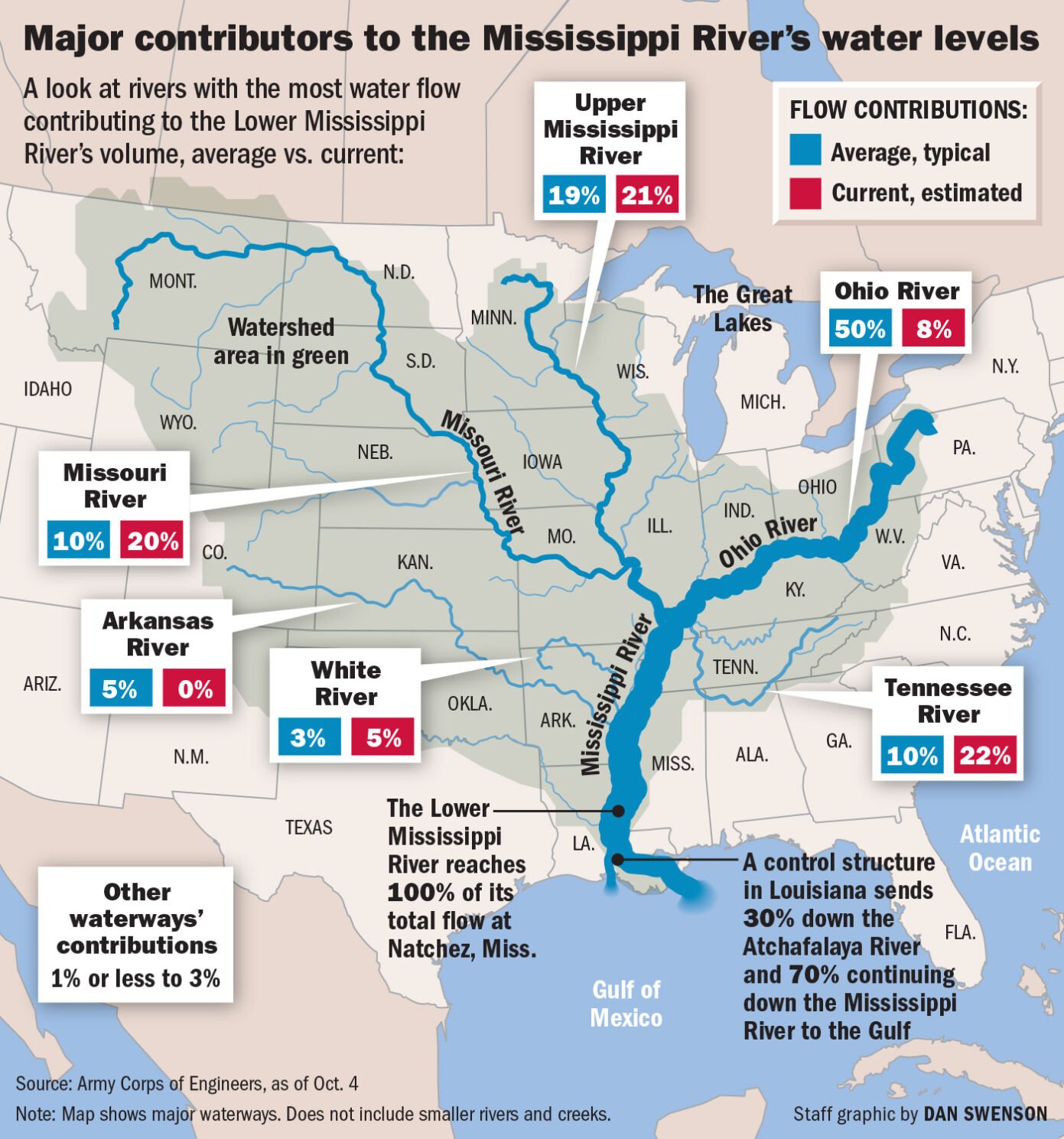
The water that eventually feeds the Mississippi River enters Lake Itasca from a collection of smaller surrounding lakes and groundwater springs. The geological history of this region is rooted in the retreat of the Laurentide Ice Sheet during the last glacial period, which left behind the complex network of glacial moraines and basins that define the Minnesota landscape today. Standing at the outlet of Lake Itasca, one is witnessing the birth of a 2,340-mile journey that bisects the nation.
Exploration and Historical Significance
The quest to find the source of the river was not just a geographic exercise; it was a race of endurance and curiosity. European explorers sought the source to claim territory and secure trade routes, while Indigenous peoples had lived alongside the headwaters for millennia, long before colonial maps were drawn.
Indigenous Heritage of the Mississippi
The region around Lake Itasca is deeply rooted in the history of the Ojibwe people. Known to them as “Omashkoozo-zaaga’igan,” or Elk Lake, the area provided vital resources and spiritual connections that predated the arrival of European settlers. Acknowledging this heritage is essential to understanding the history of the Mississippi River. The preservation of Itasca State Park serves as a testament to the enduring relationship between the landscape and those who have stewarded it for generations.
The Scientific Pursuit
Early maps of the 18th and early 19th centuries were filled with speculative tributaries and imagined sources. The Mississippi River was a massive puzzle, and finding the “true” headwaters was the final piece. The work of Henry Schoolcraft was later corroborated by other explorers, including Joseph Nicollet, who conducted extensive mapping of the Mississippi basin. Their contributions transformed the way the world viewed the American interior, shifting the perception from a mysterious wilderness to a mapped and navigable territory.
Visiting the Headwaters Today
Today, Itasca State Park serves as a premier destination for those interested in the natural history of the United States. It offers a blend of outdoor recreation, educational opportunities, and the profound aesthetic experience of standing at the very beginning of a legend.
Activities at Itasca State Park
The park is much more than a photo opportunity at the headwaters. With over 32,000 acres of protected land, it is a haven for outdoor enthusiasts. Visitors can engage in:
- Hiking: The park offers miles of trails that traverse diverse ecosystems, including old-growth forests and shoreline paths along Lake Itasca.
- Canoeing and Kayaking: Navigating the quiet waters near the headwaters provides an intimate view of the local ecosystem, including sightings of loons, eagles, and deer.
- Cycling: The paved trails winding through the park allow for an accessible way to explore the diverse flora of Minnesota.
- Educational Programs: The Mary Gibbs Mississippi Headwaters Center provides comprehensive exhibits on the geology, history, and ecology of the region.
The Experience of Discovery
For many, visiting the headwaters is a transformative experience. There is a psychological weight to being at the start of something monumental. As the water flows northward from Lake Itasca before eventually turning south toward the Gulf of Mexico, visitors are reminded of the river’s complexity. The path it takes across North America crosses vast prairies, dense forests, and industrial heartlands, yet it all starts here, in the quiet, peaceful shade of Minnesota.
The Legacy of the River
The Mississippi River is more than just a geographic feature; it is an icon. By starting at Lake Itasca, one gains a deeper appreciation for the fragility and strength of this water system. The river is a living testament to the changing climates and landscapes of the United States.
Conservation and the Future
Protecting the headwaters is a top priority for conservationists. As the initial entry point for the entire system, the purity of Lake Itasca is a vital indicator of the health of the entire Mississippi River basin. Efforts to manage invasive species, maintain water quality, and preserve the surrounding timberland ensure that future generations can witness the same pristine landscape that greeted Henry Schoolcraft in the 19th century.
Why You Should Visit
Whether you are a history enthusiast, an avid traveler, or simply someone who appreciates the raw beauty of nature, the journey to the source of the Mississippi River is a must. It offers a rare chance to connect with the landscape in a tangible way—by standing in it. From the peaceful, bubbling waters of Itasca State Park to the sprawling wetlands of Louisiana, the river tells the story of a nation. Start your own journey at the beginning, where the water is still quiet, the air is crisp, and the history of North America flows forth from the roots of the forest floor.
LifeOutOfTheBox is a participant in the Amazon Services LLC Associates Program, an affiliate advertising program designed to provide a means for sites to earn advertising fees by advertising and linking to Amazon.com. Amazon, the Amazon logo, AmazonSupply, and the AmazonSupply logo are trademarks of Amazon.com, Inc. or its affiliates. As an Amazon Associate we earn affiliate commissions from qualifying purchases.