
The confluence of two of the most significant waterways in the United States is more than just a geographic coordinate; it is a moment where history, geology, and commerce collide. Standing at the point where the Ohio River empties its massive volume into the Mississippi River is a profound experience for any traveler interested in the natural landmarks that shaped a nation.
The Geographic Convergence at Cairo
The meeting point of these two titans occurs at Cairo, a historic city located at the southernmost tip of Illinois. Known as Fort Defiance State Park, this location serves as the symbolic and physical “front door” to the confluence.
A Study in Contrasts
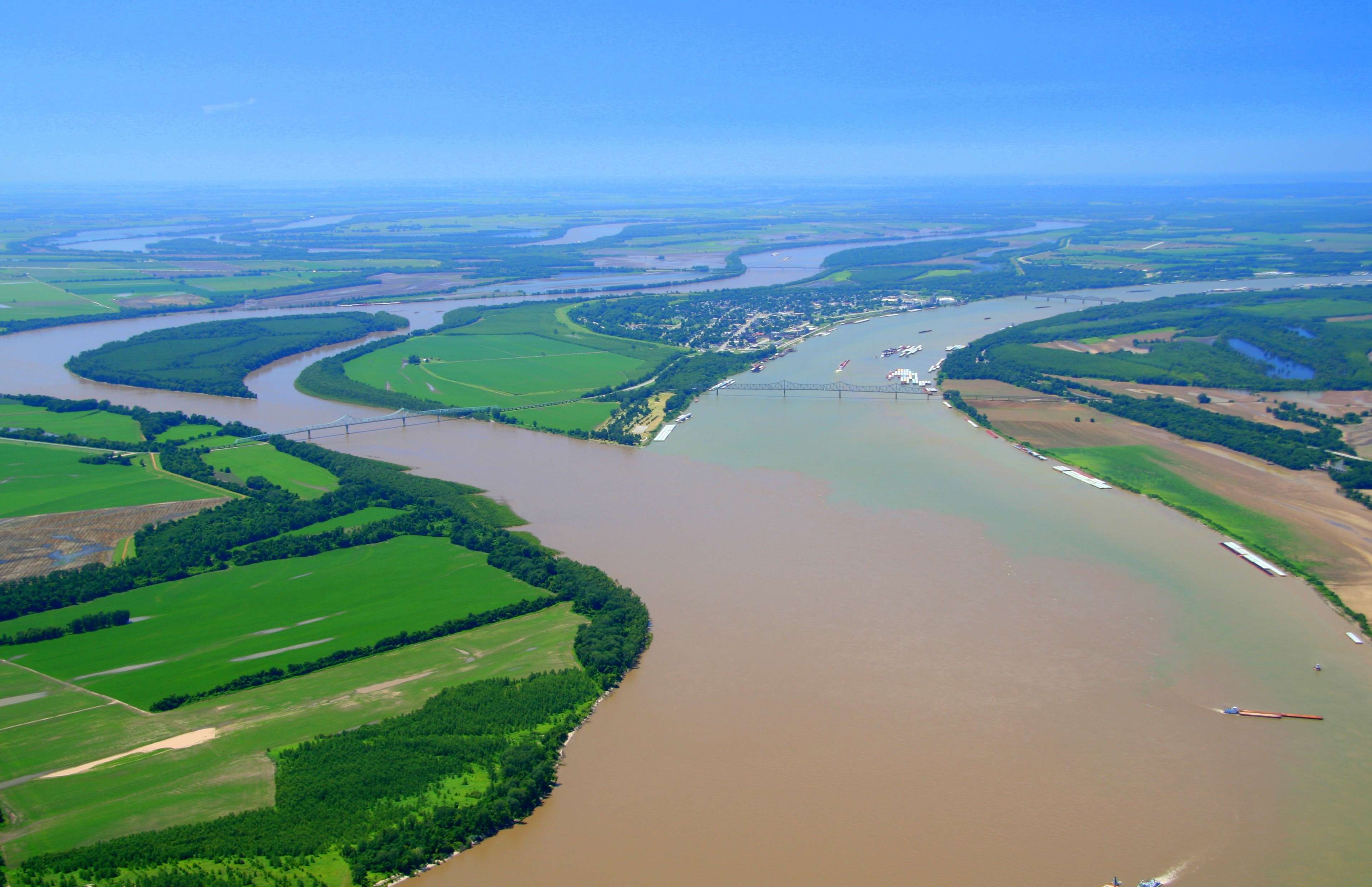
What makes this spot particularly fascinating is the visual distinction between the two rivers. As they merge, observers can often see a striking “line in the water.” The Ohio River often carries a different sediment load and clarity compared to the Mississippi River. For miles downstream, the two currents struggle to fully integrate, creating a swirling, marbled effect that highlights the sheer power of the water. This phenomenon is a bucket-list sight for geographers and nature enthusiasts alike, representing the drainage basin of nearly half of the United States.
The Historical Significance of Cairo
The town of Cairo was once envisioned as a major economic powerhouse due to its location at the junction of two of the world’s most vital river systems. During the 19th century, it was expected to become a metropolis rivaling Chicago or St Louis. While the development did not follow that trajectory, the area remains a landmark of immense historical weight, particularly regarding the riverine logistics that powered the mid-1800s American economy.
Exploring Fort Defiance State Park
For those visiting the confluence, Fort Defiance State Park is the primary destination. It provides the best vantage point to witness the joining of the waters.
Strategic Military History
During the American Civil War, the site held immense strategic importance. General Ulysses S Grant utilized Cairo as a base of operations, recognizing that control of this confluence meant control of the Mississippi River and, consequently, the logistical spine of the Confederacy. Walking the grounds today, one can still feel the weight of this history, as the earthen embankments that once served as fortifications now provide elevated views of the river expanse.
Nature and Wildlife Observation
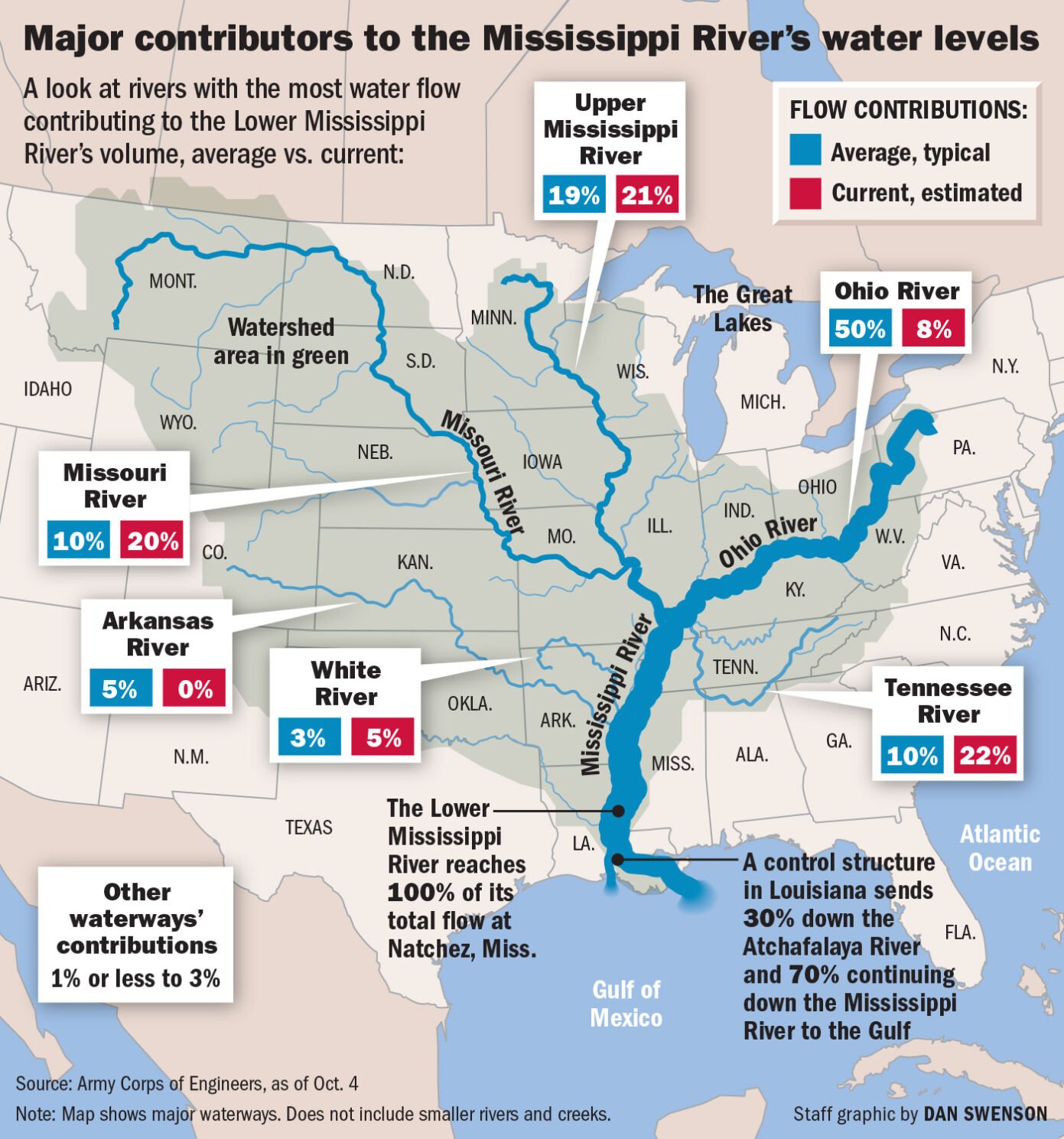
Beyond the human history, the confluence is a vital ecological corridor. The convergence of the Ohio River and Mississippi River creates a unique habitat for migratory birds and various fish species. Birdwatchers often frequent this area during seasonal migrations, spotting bald eagles and herons circling the massive river junction. The riparian forests surrounding the park are some of the most undisturbed in the region, offering a glimpse into the landscape as it appeared before the industrialization of the Midwest.
Navigating the Confluence: Travel Tips and Logistics
Visiting this remote corner of Illinois requires some planning, as it is tucked away from major interstate highways and urban centers.
Accessibility and Best Time to Visit
The best time to visit the confluence is during the late spring or early autumn. Summer can bring high humidity and insects, while the winter months can be harsh along the exposed riverbanks. Access to Fort Defiance State Park is typically straightforward, but visitors should check local conditions regarding river levels; since this is an active floodplain, spring flooding can occasionally restrict access to the absolute point of the confluence.
Nearby Regional Landmarks
While in the area, travelers can expand their trip by exploring other significant landmarks:
- Paducah: A short drive away in Kentucky, this UNESCO Creative City is famous for its quilting museum and vibrant arts scene.
- Shawnee National Forest: Located to the north, this vast wilderness area offers stunning rock formations and hiking trails that contrast sharply with the flat, riverine topography of Cairo.
- The Confluence Tower: While further north near Hartford, this structure offers a different perspective on the junction of the Missouri River and the Mississippi River, providing a great comparison for those interested in the hydrology of the North American river systems.
The Cultural Legacy of the Great Rivers
The confluence of the Ohio River and Mississippi River has been immortalized in literature, music, and folklore. It represents the “gateway to the South” and serves as a transition point between the industrial north and the agrarian south.
The Rivers in Literature and Folklore
From the works of Mark Twain to regional oral histories, these rivers are central to the identity of the United States. They served as the primary highways for pioneers moving into the Western Frontier. The junction at Cairo is the physical manifestation of these stories—a point where one journey ended and another, often more dangerous or uncertain, began.

Sustaining the Future of the Confluence
Today, the confluence faces challenges from climate change and shifts in commercial barge traffic. Protecting the integrity of this site is essential for both historical preservation and environmental stewardship. The local authorities and state parks departments work diligently to ensure that the area remains accessible to the public, allowing future generations to stand at the edge of these two great rivers and understand their role in the tapestry of North America.
Visiting the place where the Ohio River and Mississippi River meet is an exercise in scale. The massive volume of water, the silence of the surrounding floodplains, and the haunting beauty of the Cairo peninsula create an atmosphere that feels disconnected from modern time. Whether you are a history buff following the footsteps of General Ulysses S Grant, a nature enthusiast seeking the intersection of diverse ecosystems, or simply a traveler looking for one of the most significant geographic points in the United States, this confluence delivers a perspective that few other natural landmarks can match. It stands as a silent witness to the growth of a nation, flowing steadily southward toward the Gulf of Mexico.
LifeOutOfTheBox is a participant in the Amazon Services LLC Associates Program, an affiliate advertising program designed to provide a means for sites to earn advertising fees by advertising and linking to Amazon.com. Amazon, the Amazon logo, AmazonSupply, and the AmazonSupply logo are trademarks of Amazon.com, Inc. or its affiliates. As an Amazon Associate we earn affiliate commissions from qualifying purchases.