
For many looking to relocate to the vast, rugged landscapes of Montana, the state’s tax structure is a primary point of interest. Often celebrated for its lack of a state sales tax, newcomers are frequently surprised to learn that Montana does indeed impose property taxes. Understanding how this system works is essential for anyone considering a move to this western gem, whether you are eyeing a cabin near Glacier National Park or a primary residence in Bozeman.
The Fundamentals of Montana Property Taxation
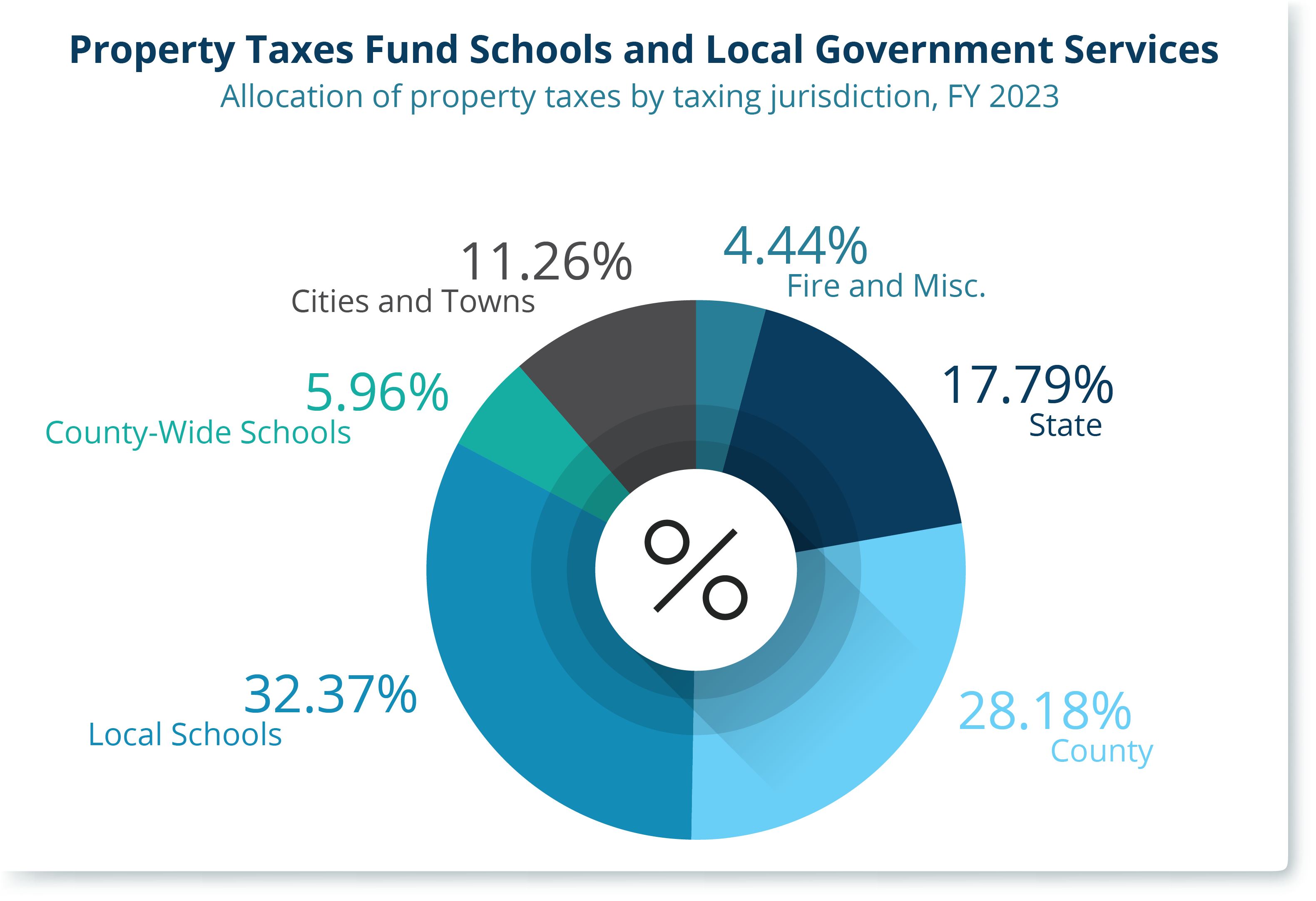
Unlike states that rely heavily on sales tax, Montana funds a significant portion of its local government operations, schools, and infrastructure through property taxes. This is a critical distinction for property owners, as the absence of a sales tax often shifts the burden toward real estate and personal property.

How Assessments Work
Property taxes in Montana are determined by a combination of the property’s appraised value and the mill levy. The Montana Department of Revenue is responsible for appraising real estate throughout the state. Every two years, the state performs a reappraisal to update property values to reflect current market conditions.
It is important to note that your property tax bill is not simply a percentage of the market value. Instead, the process involves:
- Appraised Value: The estimated market value of your home or land.
- Taxable Value: A percentage of the appraised value, determined by the property’s classification (e.g., residential, agricultural, or commercial).
- Mill Levy: The tax rate set by local jurisdictions, such as counties, cities like Missoula, and school districts.
Understanding the Mill Levy
The mill levy is the “rate” portion of your tax equation. One “mill” represents $1 of tax for every $1,000 of taxable value. Because these levies are set by local voters and officials to fund specific services—such as the Helena public schools or county fire departments—the effective tax rate can vary significantly depending on where your property is located. An urban home in Billings may face a different mill levy than a rural property in Big Sky, even if the appraised values were identical.
Property Classifications and Their Impact
Montana utilizes a tiered classification system that dictates the percentage of a property’s value that becomes the “taxable value.” This system is designed to provide preferential treatment for certain types of land, such as agricultural acreage, while taxing residential and commercial properties at different levels.
Residential vs. Commercial Property
The vast majority of homeowners fall under “Class 4” property, which includes residential land and improvements. The state sets a tax rate for this class, which is then multiplied by the appraised value to determine the taxable amount. Commercial properties, such as hotels in Whitefish or retail spaces in Kalispell, often fall under different classifications that may involve higher tax rates or different appraisal methodologies.

Agricultural and Forest Land
One of the unique aspects of the tax landscape in Montana is the favorable treatment afforded to agricultural and timber land. Rather than being taxed at full market value—which could be astronomically high due to development potential—these lands are taxed based on their “productive capacity.” This policy helps preserve the agricultural heritage of the state, ensuring that ranchers and farmers near Great Falls or the Bitterroot Valley can afford to keep their land in production.
Navigating the Costs of Living in Big Sky Country
While the lack of sales tax is a significant financial benefit, the property tax burden in Montana can feel substantial, particularly for residents on fixed incomes. When evaluating the total cost of owning a home in Montana, prospective buyers should account for both the purchase price and the annual tax commitment.
Tax Relief Programs
The state offers several programs to assist residents in managing their tax obligations. The Property Tax Assistance Program (PTAP) provides a reduction in the tax rate for qualifying lower-income homeowners. Additionally, there are programs specifically for elderly residents and those with disabilities, which can help stabilize their financial situation and prevent them from being priced out of their long-term homes.
The Impact of Growth on Tax Rates
As more people discover the beauty of the Rocky Mountains and the quality of life in Montana, property values have seen sharp increases. When property values rise, the state’s tax system often adjusts to ensure local services remain funded. However, the state has mechanisms in place to prevent the mill levy from automatically skyrocketing just because property values go up. Voters are often asked to approve bond issues for infrastructure or school improvements, which can directly affect the mill levy in their specific municipality.
Strategic Planning for Property Owners
If you are currently a property owner or are planning to invest in Montana real estate, there are several steps you can take to manage your tax expectations.
- Monitor Your Appraisal Notice: The Montana Department of Revenue sends out appraisal notices every two years. If you believe your property has been over-assessed, you have the right to appeal this value through the County Tax Appeal Board. Providing evidence of recent comparable sales in areas like Livingston or Butte can be an effective way to adjust your tax base.
- Factor Taxes into Your Budget: When calculating the affordability of a property, do not rely on the previous owner’s tax bill. If the property was recently sold or significantly renovated, the assessment may be updated, leading to a different tax amount. Always check the current mill levy for the specific school district and county.
- Understand Local Bond Measures: Participate in local elections. In places like Red Lodge, local bond measures for public services are common. Being an informed voter allows you to understand how upcoming changes to infrastructure funding might impact your annual expenses.
Why Property Taxes Exist in Montana
Ultimately, the property tax serves as the backbone of community funding in Montana. It ensures that the library in Havre, the roads in Anaconda, and the emergency services across Gallatin County remain operational. While no one enjoys paying taxes, the system provides a predictable revenue stream that allows local governments to maintain the high quality of life that defines this region.
For those moving from states with higher income or sales taxes, the property tax in Montana should be viewed as part of a larger financial picture. By weighing the absence of other taxes against the local levy requirements, residents can often find that Montana remains an economically attractive place to put down roots. As with any investment, due diligence, an understanding of the local appraisal process, and a clear view of the municipal tax rates will ensure that your transition to the Treasure State is as smooth as possible.
LifeOutOfTheBox is a participant in the Amazon Services LLC Associates Program, an affiliate advertising program designed to provide a means for sites to earn advertising fees by advertising and linking to Amazon.com. Amazon, the Amazon logo, AmazonSupply, and the AmazonSupply logo are trademarks of Amazon.com, Inc. or its affiliates. As an Amazon Associate we earn affiliate commissions from qualifying purchases.