
For travelers planning an expedition into the American West, the vast landscapes of Montana hold an undeniable allure. From the jagged peaks of Glacier National Park to the winding river valleys near Bozeman, this state is a premier destination for those seeking wilderness immersion. However, as visitors lace up their hiking boots to explore the backcountry, a common question arises: does Montana have rattlesnakes?
The short answer is yes. While Montana is often associated with grizzly bears and wolves, the northern prairies and rocky foothills are home to a specific species of venomous serpent. Understanding the presence, behavior, and habitat of these animals is a fundamental aspect of responsible tourism for anyone traversing the Big Sky Country.

Understanding the Prairie Rattlesnake
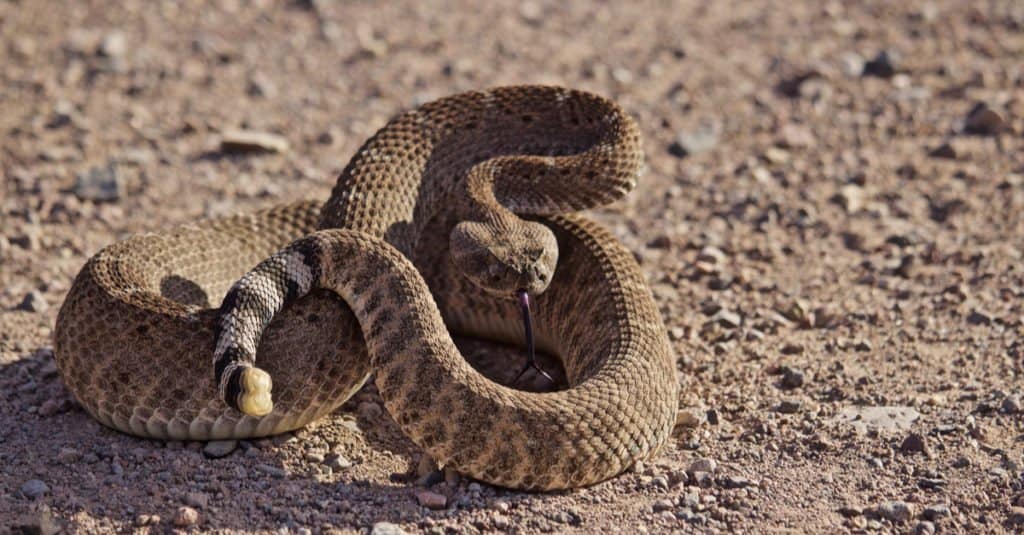
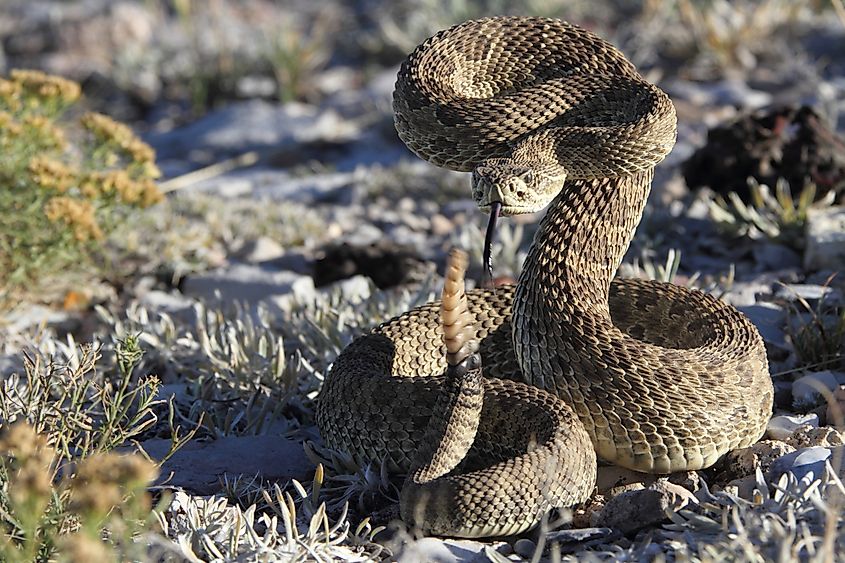
The primary species of concern for hikers and campers in Montana is the Prairie Rattlesnake (Crotalus viridis). This creature is the only venomous snake native to the state, and it is remarkably well-adapted to the harsh, variable climate of the northern plains.
Habitat and Distribution
The Prairie Rattlesnake is primarily found in the eastern and central regions of the state, though its range does extend into specific pockets of the west. They are most commonly encountered in areas with rocky outcrops, sagebrush flats, and open grasslands. Unlike the dense alpine forests found in the higher elevations of the Rocky Mountains, these snakes prefer the arid, lower-elevation environments where they can easily thermoregulate.
While popular tourist hubs like Yellowstone National Park have a limited number of sightings due to the higher altitude, areas surrounding the Missouri River or the badlands near Makoshika State Park offer prime territory for these reptiles. Understanding this distribution is key to managing risk during your travel itinerary.
Behavior and Defensive Mechanisms
Rattlesnakes are not inherently aggressive; in fact, they are largely reclusive creatures that prefer to avoid human interaction. Their famous rattle is a defensive tool used to warn larger animals—including humans—to keep a distance. If you encounter a rattlesnake while hiking in Montana, it is almost certainly because you have stumbled into its territory or startled it while it was sunning itself on a rock.
They are ectothermic, meaning they rely on their environment to regulate body temperature. During the cooler mornings of spring and autumn, you may find them basking in direct sunlight on warm stones or trails. This is when they are most likely to be seen by hikers. As temperatures rise during the summer months, they often become more nocturnal, shifting their activity to the early morning or evening hours to avoid the heat of the day.
Safety Guidelines for Hikers and Explorers
When visiting wilderness areas in Montana, knowledge is your best form of protection. You do not need to let the presence of rattlesnakes deter you from exploring, but you should adopt a proactive mindset.
Trails and Proper Footwear
The most important rule when hiking in rattlesnake country is to remain on marked trails. Snakes often hide in tall grasses or beneath dense brush. By sticking to clear, well-trodden paths, you increase your visibility and decrease the likelihood of accidentally stepping on a snake that is camouflaged against the terrain.
Furthermore, proper gear is essential. Wear sturdy, high-topped hiking boots and long, durable pants when venturing into areas known for snake activity. While standard hiking footwear does not guarantee protection against a bite, it provides a significantly better barrier than sandals or thin athletic shoes. Always look where you are placing your feet, especially when stepping over logs or large rocks.
Maintaining Situational Awareness
Many snake bites occur because of human carelessness. Avoid placing your hands or feet into crevices, holes, or under rocky overhangs where you cannot see the ground. If you are climbing or scrambling near Hellgate Canyon or other rocky terrains, always inspect the landing spot before committing your weight to it.
If you hear the distinctive buzzing sound of a rattle, stop moving immediately. Back away slowly and give the snake ample space to retreat. Do not attempt to poke, move, or capture the animal. Remember that you are a visitor in their habitat, and giving the snake space is the most effective way to ensure a peaceful encounter.
What to Do in the Event of an Encounter
Despite all precautions, the wilderness is unpredictable. Knowing how to react if a snake is spotted or if a negative interaction occurs is part of being a prepared traveler.
Keeping Your Distance
If you see a snake, maintain a distance of at least six to ten feet. Even at that distance, you can enjoy observing the animal. Many travelers find that seeing a rattlesnake in the wild is a fascinating glimpse into the biodiversity of the American West. Once you have observed it from a safe distance, calmly move around it or retreat the way you came.
Responding to a Bite
While incidents involving hikers are rare, it is vital to know the protocol if a bite occurs. The most critical step is to seek medical attention immediately. Do not waste time with folk remedies such as cutting the wound, applying ice, or attempting to suck out venom. These methods are ineffective and can cause further injury.
Instead:
- Keep the bitten area below the level of the heart.
- Remove any rings or restrictive clothing near the bite, as swelling is likely to occur.
- Remain as calm as possible to keep your heart rate down.
- Call for emergency services immediately. If you are in a remote area near Helena or other major towns, ensure you have a satellite communication device or a clear plan to reach cell service.
Responsible Tourism in Montana
Montana offers some of the most breathtaking natural wonders on the planet. From the dramatic cliffs of the Gates of the Mountains to the sweeping landscapes of the Big Hole Valley, the state’s wild character is its greatest asset. The presence of wildlife, including the Prairie Rattlesnake, is simply a part of this natural legacy.
By educating yourself, respecting the habitat, and practicing caution, you can enjoy everything the state has to offer without unnecessary fear. Traveling with an appreciation for the local ecosystem—venomous reptiles included—is what separates a casual tourist from a true explorer. Whether you are planning a trip to Missoula or venturing into the deep prairies of the east, embrace the journey with your eyes open and your safety in mind. The wilderness is waiting, and with the right preparation, your adventure will be as rewarding as it is exhilarating.
LifeOutOfTheBox is a participant in the Amazon Services LLC Associates Program, an affiliate advertising program designed to provide a means for sites to earn advertising fees by advertising and linking to Amazon.com. Amazon, the Amazon logo, AmazonSupply, and the AmazonSupply logo are trademarks of Amazon.com, Inc. or its affiliates. As an Amazon Associate we earn affiliate commissions from qualifying purchases.