
For many travelers, outdoor enthusiasts, and digital nomads, the allure of Montana lies in its vast, untamed landscapes and the promise of a life lived in harmony with nature. As people consider extended stays or even relocation to this rugged region, one common question surfaces regarding the financial logistics of the state: Does Montana have state taxes? Understanding the fiscal environment of the “Treasure State” is an essential part of planning your journey, especially for those considering long-term residency or business ventures within its borders.
The Reality of Montana’s State Tax Structure
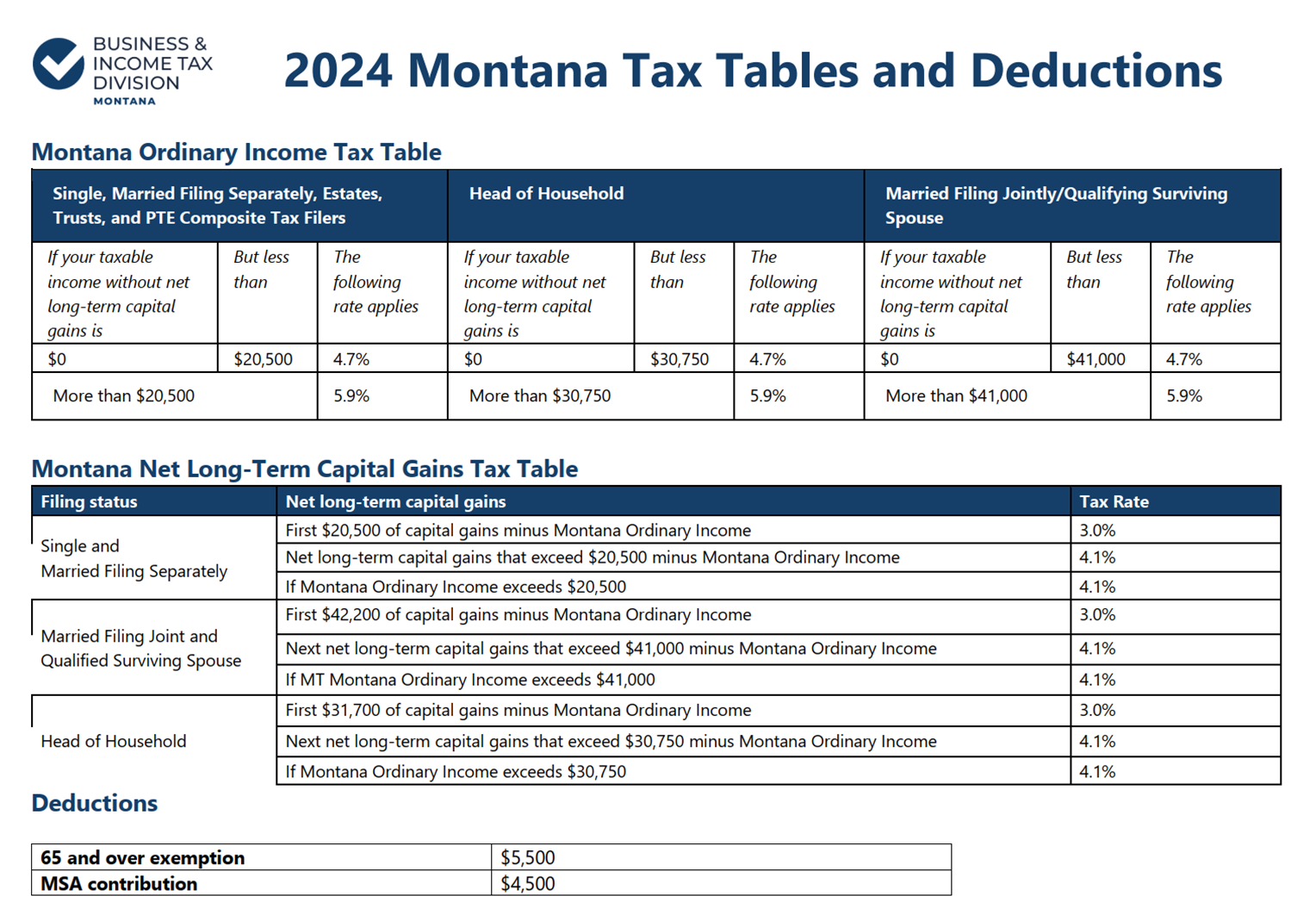
It is a common misconception among those looking to escape high-tax jurisdictions that Montana is a tax-free haven. The truth is that Montana does, in fact, impose a state individual income tax. Unlike states such as Florida, Texas, or Nevada, which rely on other revenue streams to forgo a personal income tax, Montana utilizes a graduated income tax system.

Understanding the Graduated Income Tax
For individuals spending a significant amount of time working remotely or operating a business while visiting, it is important to note that Montana’s income tax rates are determined by a series of brackets. As of recent legislative sessions, these brackets have been simplified, but they still remain progressive. This means that as your taxable income increases, the percentage of tax applied to those additional dollars also increases.
Why Tax Policy Matters to Travelers
While a two-week hiking trip to Glacier National Park won’t trigger residency-based tax obligations, the lines become blurred for “work-from-anywhere” professionals. If you plan to rent a cabin near Bozeman or a luxury suite in Big Sky for several months, you may inadvertently establish tax residency depending on your duration of stay and income sources. Navigating these requirements is a crucial part of the modern lifestyle for those who combine travel with professional pursuits.
The Unique Advantage: No State Sales Tax
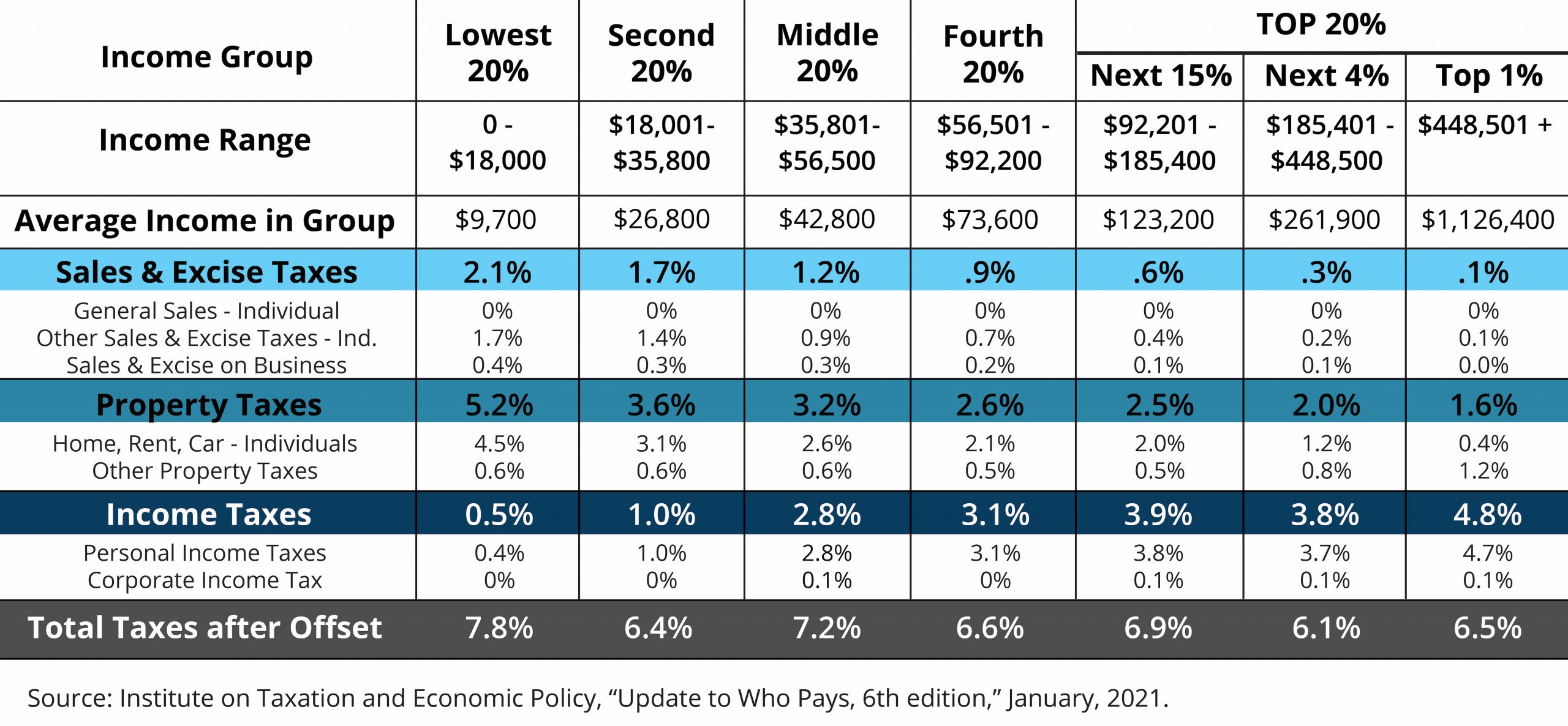
While Montana maintains an income tax, it offers a distinct financial benefit that delights shoppers and tourists alike: the total absence of a state-level sales tax. This policy makes Montana one of the most attractive states in the United States for purchasing big-ticket items, luxury gear, or simply managing daily living expenses during a long-term trip.
How the Absence of Sales Tax Affects Your Budget
Whether you are stocking up on high-end camping equipment for an expedition in the Beartooth Mountains or browsing the local boutiques in Missoula, the price you see on the tag is exactly what you pay at the register.
- Budgeting for Gear: For those upgrading their photography kits, winter sports gear, or hiking equipment, the savings compared to states with a 7% to 10% sales tax can be substantial.
- Dining and Services: The lack of sales tax extends to restaurants and various service-based industries. When you enjoy a gourmet meal in Helena or book a guided fly-fishing tour on the Madison River, you are shielded from the added layer of government levies that often inflate the final cost of travel experiences elsewhere.
Local Option Taxes
It is important to clarify that while the state does not charge sales tax, some local jurisdictions implement “resort taxes.” These are local-option taxes applied to certain goods and services in areas heavily frequented by tourists, such as Whitefish or West Yellowstone. These funds are primarily used to maintain infrastructure and support the tourism industry that sustains these mountain towns.
Financial Planning for Extended Stays in Montana
For those planning to spend an extended season in Montana, balancing the state’s tax policy against the cost of living is key. While the absence of sales tax provides immediate relief, the income tax obligations require careful record-keeping.
Residency and Tax Obligations
Tax residency is a complex legal concept. Generally, if you spend more than 183 days in the state, or if you establish “domicile”—meaning you have formed a permanent connection, such as a primary home or voter registration—you may be considered a resident for tax purposes. If you are a digital nomad, it is highly recommended to consult with a tax professional who understands the specific nuances of Montana’s Department of Revenue before committing to a long-term lease in a city like Billings.
Weighing the Pros and Cons
When choosing between a mountain retreat in Montana or a beach house in a coastal state, travelers often find that the state’s fiscal policy encourages a specific type of lifestyle:
- The “Consumption-Friendly” Model: Because goods are cheaper, Montana encourages investment in long-lasting gear. It is the perfect place to equip yourself for a life of adventure.
- The High Cost of Infrastructure: While there is no sales tax, property taxes in some areas can be relatively high. If you are looking to purchase a cabin or a plot of land near Flathead Lake, it is vital to research the specific property tax mill levies of that county.
Enjoying the Treasure State Responsibly
The financial aspect of visiting Montana is merely one facet of a much larger experience. Whether you are coming to witness the wildlife of Yellowstone National Park or to find quiet solitude in the Bitterroot Valley, the state provides a unique backdrop for personal and professional growth.
Tips for Travelers
- Track Your Expenses: Even though there is no sales tax, keep receipts if you are a business owner, as your time in Montana might be deductible as a business expense.
- Respect Local Regulations: When staying in towns that implement local resort taxes, remember that these fees contribute to the preservation of the trails, parks, and historical sites you have come to explore.
- Plan for the Season: The cost of living and the availability of amenities in places like Gardiner can fluctuate significantly between the peak summer season and the deep winter.
Ultimately, while Montana is not a tax-free jurisdiction in terms of income, its distinct lack of general sales tax, combined with a high quality of life and breathtaking scenery, makes it a premier destination for those who value both adventure and financial pragmatism. Whether you are passing through for a weekend or planning to make the state your home base for an extended period, understanding these financial dynamics allows you to focus on what truly matters: the crisp mountain air, the sprawling wilderness, and the unmatched freedom that only the American West can provide. By staying informed about the fiscal reality of the region, you can better manage your resources, leaving you more time to explore the hidden gems of the Rocky Mountains and beyond.
LifeOutOfTheBox is a participant in the Amazon Services LLC Associates Program, an affiliate advertising program designed to provide a means for sites to earn advertising fees by advertising and linking to Amazon.com. Amazon, the Amazon logo, AmazonSupply, and the AmazonSupply logo are trademarks of Amazon.com, Inc. or its affiliates. As an Amazon Associate we earn affiliate commissions from qualifying purchases.