
The dream of owning a slice of the American West often leads prospective buyers to the vast, rugged landscapes of Montana. Known as “Big Sky Country,” this state offers an unparalleled sense of freedom, characterized by sweeping plains, jagged mountain ranges, and pristine river valleys. However, for those looking to purchase property, the question of cost is complex. An acre of land in Montana is not a commodity with a fixed price; it is an asset whose value fluctuates wildly based on geography, water rights, zoning, and proximity to major hubs like Bozeman or Missoula.

Understanding the Factors Influencing Land Value
When researching land prices in Montana, one quickly realizes that averages can be deceptive. A ten-acre parcel in the high plains of Eastern Montana will be priced fundamentally differently than a ten-acre parcel nestled in the Gallatin Valley.
The Premium of Proximity and Access
Land value is often tethered to the “commute to amenities” factor. Properties located near growing urban centers such as Bozeman command a significant premium. These areas offer access to infrastructure, high-speed internet, and proximity to regional airports, which appeals to remote workers and retirees alike. Conversely, land in more remote regions, such as Phillips County or near the Canadian Border, might sell for a fraction of the price per acre. While these areas offer immense privacy, they often lack immediate access to essential services, which keeps the price per acre lower.
Water Rights and Agricultural Viability
In the semi-arid West, water is often worth more than the soil itself. Land that includes legal water rights—allowing for irrigation or livestock—is significantly more valuable than dry land. If you are looking at purchasing land for agricultural use, ensure that you have documented water rights. Without them, your ability to develop the land or maintain lush vegetation is strictly limited. Areas near the Yellowstone River or the Missouri River usually feature higher price points due to these precious resources.
The Economic Landscape of Montana Real Estate
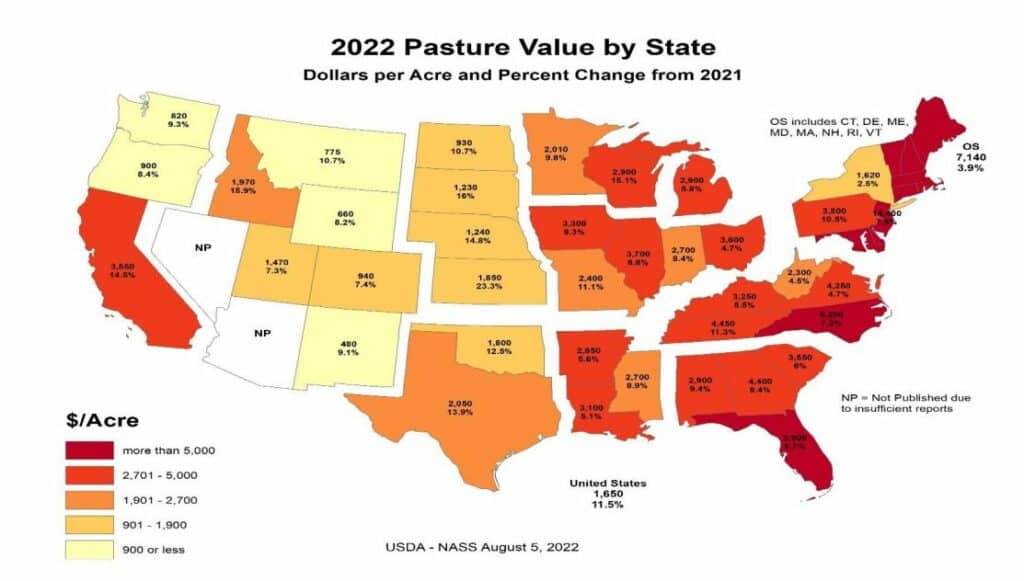
The cost per acre in Montana currently ranges from as low as $1,500 for vast, non-irrigated dry grazing land to upwards of $50,000 or even $100,000+ per acre for luxury recreational tracts near Big Sky Resort or the Bitterroot Valley.
Pricing Trends in Recreational Zones
Land intended for recreational use, such as hunting, fishing, or skiing, carries a “lifestyle premium.” Properties that offer direct access to public lands—such as those bordering the Beaverhead-Deerlodge National Forest—are highly sought after. Buyers are willing to pay for the exclusivity of having the wilderness as their backyard. As the popularity of the mountain west has exploded, supply has tightened, pushing prices upward in areas near Flathead Lake and Whitefish.

The Impact of Zoning and Covenants
Before finalizing a purchase, it is vital to investigate the zoning regulations and Covenants, Conditions, and Restrictions (CC&Rs). Land that is zoned for commercial development will be priced differently than land restricted to agricultural or residential use. Furthermore, if you are buying land in a subdivision, the CC&Rs may dictate everything from the type of home you can build to whether you can have livestock on the property. These restrictions can either protect your investment or severely limit your plans for the land, directly influencing what you should be willing to pay.
Navigating the Purchase Process
Buying land in Montana is a significant undertaking that requires thorough due diligence. It is rarely as simple as finding a listing and signing a deed.
Performing Thorough Due Diligence
Beyond the sticker price, you must account for “hidden” costs. This includes soil testing for septic suitability, surveying to confirm exact boundaries, and verifying legal access. Many beautiful plots of land are “landlocked,” meaning there is no legal easement to reach them from a public road. Never assume you have access rights; always verify the existence of a recorded easement with a title company.
Working with Local Expertise
Because the topography of the state is so varied, working with a real estate professional who specializes in land—rather than residential housing—is essential. Someone familiar with the Rocky Mountains region will be able to tell you about local issues like seasonal road maintenance, wildlife migration patterns, and utility hookup costs. Connecting with an agent in areas like Helena or Billings can provide the localized insight required to make an informed decision on whether the asking price aligns with the true value of the parcel.
Future Projections and Long-term Investment
The demographic shift toward rural, scenic areas in the United States has put sustained pressure on Montana real estate prices. While the days of inexpensive, unclaimed acreage are largely over, the state remains a premier destination for those seeking a connection to the land.
Balancing Potential Appreciation with Utility
Most buyers in the current market are not just looking for a financial return; they are looking for a lifestyle investment. However, it is prudent to consider the long-term appreciation potential. Land near growing cities like Bozeman is likely to continue rising in value as the region’s economy diversifies. In contrast, land in the more rural corners of the state is better viewed as a long-term hold or a conservation play.
Environmental Considerations
With climate change affecting fire seasons and water tables across the Western United States, evaluating the environmental sustainability of a parcel is now a standard part of the valuation process. Does the land have a history of wildfires? Is the water table stable? Prospective buyers should look at the long-term viability of the ecosystem they are buying into. An acre of land that burns every three years or lacks a reliable water source will be much harder to resell than a well-managed parcel with diverse timber and reliable access to a creek or well.
Owning land in Montana is a profound commitment. Whether you are looking for a small parcel for a mountain cabin or a sprawling ranch in the Paradise Valley, the investment goes beyond the price per acre. It is an investment in the legacy of the landscape, the clarity of the air, and the unique pace of life that defines this corner of the world. By focusing on access, water rights, and long-term utility, you can ensure that your purchase of Montana soil is not just a financial transaction, but a rewarding addition to your life’s narrative.
LifeOutOfTheBox is a participant in the Amazon Services LLC Associates Program, an affiliate advertising program designed to provide a means for sites to earn advertising fees by advertising and linking to Amazon.com. Amazon, the Amazon logo, AmazonSupply, and the AmazonSupply logo are trademarks of Amazon.com, Inc. or its affiliates. As an Amazon Associate we earn affiliate commissions from qualifying purchases.