
The allure of Montana as a destination for outdoor enthusiasts and those seeking a rugged, Western lifestyle is undeniable. Among the most popular gateways to the state’s vast wilderness is Bozeman, a city that has transformed from a quiet mountain town into a bustling hub of culture, education, and tourism. However, as the city experiences rapid growth and demographic shifts, questions regarding its historical legacy and social climate have emerged. One such question, often raised by researchers and travelers concerned with the ethics of their destinations, is whether Bozeman holds a history as a “sundown town.”
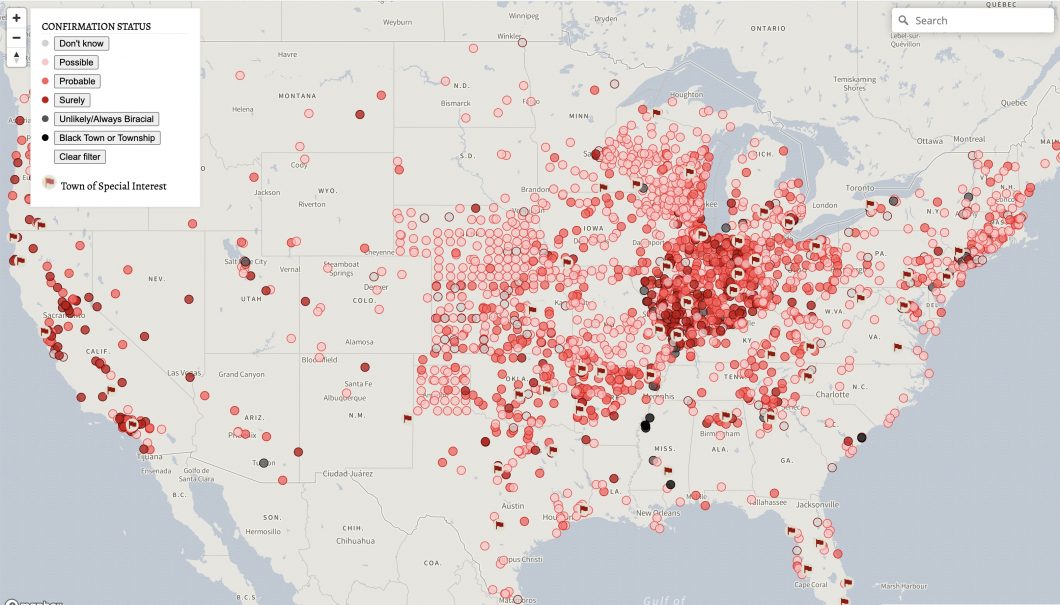
To understand this inquiry, one must first define the term. A “sundown town” refers to a community that, throughout the 20th century, practiced exclusionary policies—sometimes formalized through ordinance and often enforced through intimidation—to prevent Black people and other minorities from living or remaining in the city after dark. As travelers increasingly prioritize social awareness when choosing where to visit, examining the history of Bozeman becomes a matter of cultural literacy and historical transparency.
Investigating the Historical Context of Bozeman
The history of Bozeman is deeply rooted in the expansion of the American West. Founded in 1864 by John Bozeman, the city served as a primary stop along the Bozeman Trail. During the late 19th and early 20th centuries, Montana saw shifting demographics influenced by mining, agriculture, and the arrival of the Northern Pacific Railway.
The Demographic Landscape of Early Montana
Unlike many towns in the American South or the Midwest, where the “sundown” phenomenon was explicitly codified to manage large Black populations, the early demographics of Bozeman were influenced by its isolation and the relative scarcity of minority populations. The state of Montana itself had a small Black population during the post-Civil War era, largely composed of miners, soldiers, and laborers. Because the population density was low and the demographic makeup was overwhelmingly white, many Western towns did not require formal “sundown” ordinances to maintain segregation; social exclusion often sufficed.
Examining Local Records and Oral Histories
Sociologists and historians who specialize in the study of racial exclusion in the United States, such as James Loewen, have mapped hundreds of towns across the country that operated under exclusionary practices. While Bozeman is occasionally scrutinized in broader conversations about racial inequity in the West, it is rarely categorized in the same vein as communities that engaged in violent expulsion. Instead, Bozeman’s history is more reflective of a general homogeneity that, while exclusionary in practice, lacked the specific systemic, policy-driven “sundown” label often found elsewhere.
The Evolution of Bozeman as a Modern Destination

Today, Bozeman is widely regarded as an inclusive, progressive, and highly sought-after destination. As the home of Montana State University, the city enjoys a diverse influx of students, faculty, and professionals from across the globe. This academic environment has significantly shifted the cultural temperature of the region, fostering dialogue about diversity, equity, and inclusion that was historically absent.
Cultural Shifts and Inclusivity
The current tourism industry in Bozeman highlights a city that leans into its identity as a welcoming mountain retreat. From the vibrant murals in Downtown Bozeman to the frequent community events, festivals, and farmers’ markets, the city actively promotes an environment that values broad participation. The influx of remote workers and tourists visiting the nearby Yellowstone National Park has further integrated the city into a global travel network, diminishing the provincialism that might have characterized it in decades past.
The Role of Tourism in Shaping Identity
Tourism serves as a mirror for a city’s values. In Bozeman, the hospitality sector emphasizes a commitment to accessibility and respect for the land and the people. Travelers today are encouraged to engage with local businesses, such as those found near Main Street, which celebrate the rich cultural tapestry of Montana. By participating in local culture—attending performances at the Ellen Theatre or exploring the Museum of the Rockies—visitors contribute to a modern, inclusive economy that stands in contrast to the exclusionary histories that marked many American frontier towns.
Navigating the Legacy of the West
For the modern traveler, understanding the history of a destination like Bozeman is not about avoiding it, but about engaging with it honestly. The history of the American West is complex, filled with both the pioneer spirit and the harsh realities of exclusionary practices.
Recognizing Historical Injustices
While Bozeman may not be classified as a “sundown town” in the traditional sense of formal policy-driven exclusion, it is essential to acknowledge that the lack of racial diversity in Montana remains an area of active study. The historical absence of diverse populations was often tied to geographic isolation and systemic social barriers. By recognizing this history, contemporary residents and visitors can be more intentional about supporting diversity and fostering a welcoming atmosphere for all who visit the Rocky Mountains.

The Future of Tourism in the Gallatin Valley
As Bozeman continues to grow, its leadership and community organizations are increasingly focused on ensuring the city is accessible to everyone. The expansion of cultural programming and a commitment to preserving the history of all groups—including the Native American tribes who originally stewarded the Gallatin Valley—are becoming integral parts of the local tourism experience.
When travelers visit landmarks like Bridger Bowl or enjoy the scenic beauty of the Hyalite Canyon, they are participating in a Bozeman that is vastly different from the frontier outpost of the 1800s. The city has transitioned into a progressive destination that, while acknowledging the shadows of the past, is firmly focused on building an open, vibrant future. Whether you are coming to experience the world-class skiing at Big Sky Resort or simply to enjoy the charm of a mountain town, Bozeman stands today as a testament to the idea that history can be acknowledged and transcended.
In conclusion, Bozeman is defined by its resilience and its ongoing transformation. For those who prioritize social responsibility, Montana offers a landscape of learning, where the beauty of nature is matched only by the importance of the conversations we have about the communities we choose to explore. By visiting with an open mind and a critical eye, travelers contribute to the positive evolution of this unique American city.
LifeOutOfTheBox is a participant in the Amazon Services LLC Associates Program, an affiliate advertising program designed to provide a means for sites to earn advertising fees by advertising and linking to Amazon.com. Amazon, the Amazon logo, AmazonSupply, and the AmazonSupply logo are trademarks of Amazon.com, Inc. or its affiliates. As an Amazon Associate we earn affiliate commissions from qualifying purchases.