
For many travelers planning a grand adventure through the American West, budget management is a critical component of the itinerary. As you map out your journey through Montana—a state renowned for its sprawling landscapes, rugged mountain ranges, and pristine wilderness—one question often arises: how will local tax policies affect my travel expenses? Understanding the financial landscape is just as important as knowing the best hiking trails or the finest local dining spots. Fortunately, for those visiting this breathtaking corner of the United States, the answer to the tax question provides a pleasant surprise.
Understanding Montana’s Tax-Free Environment
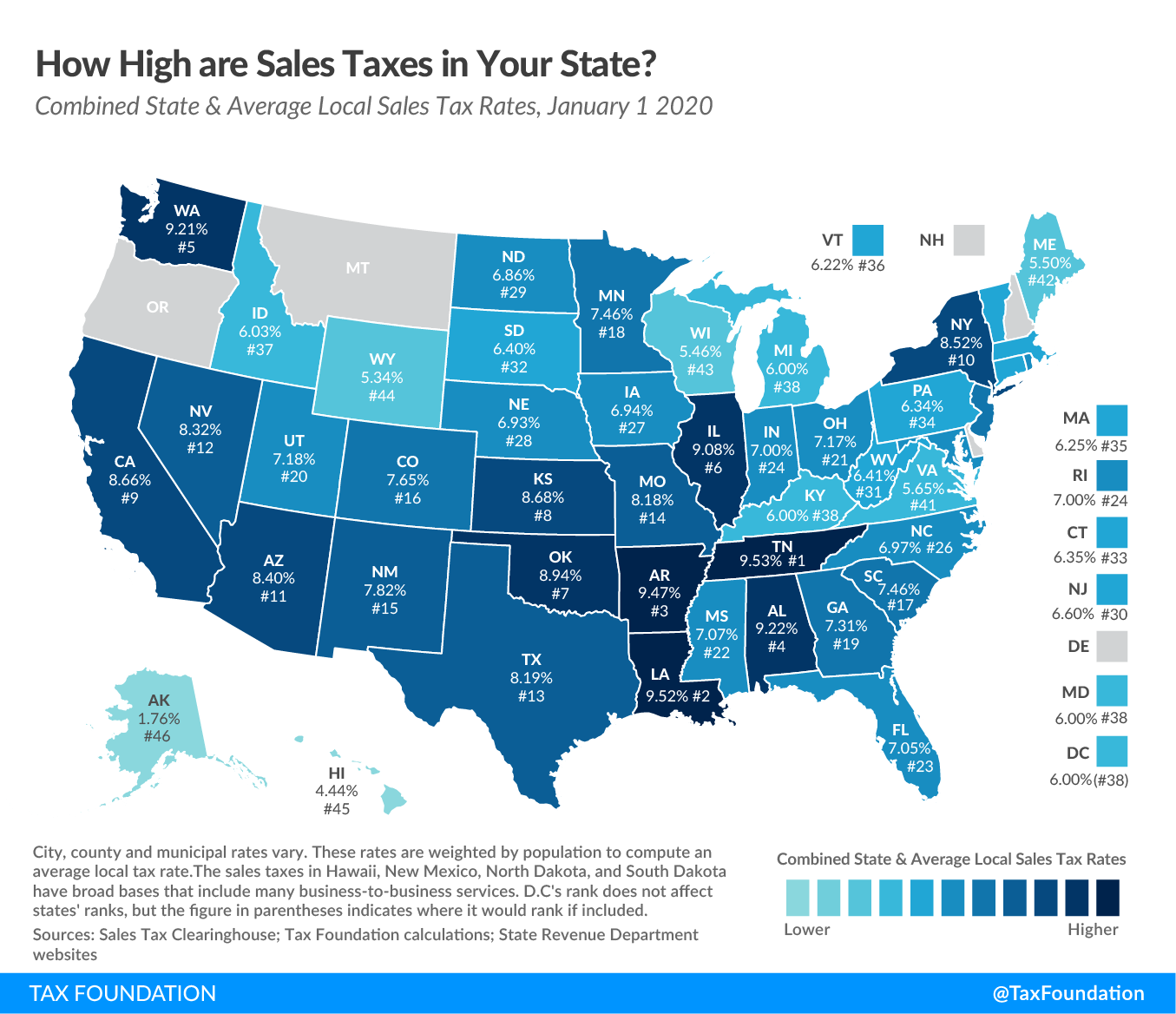
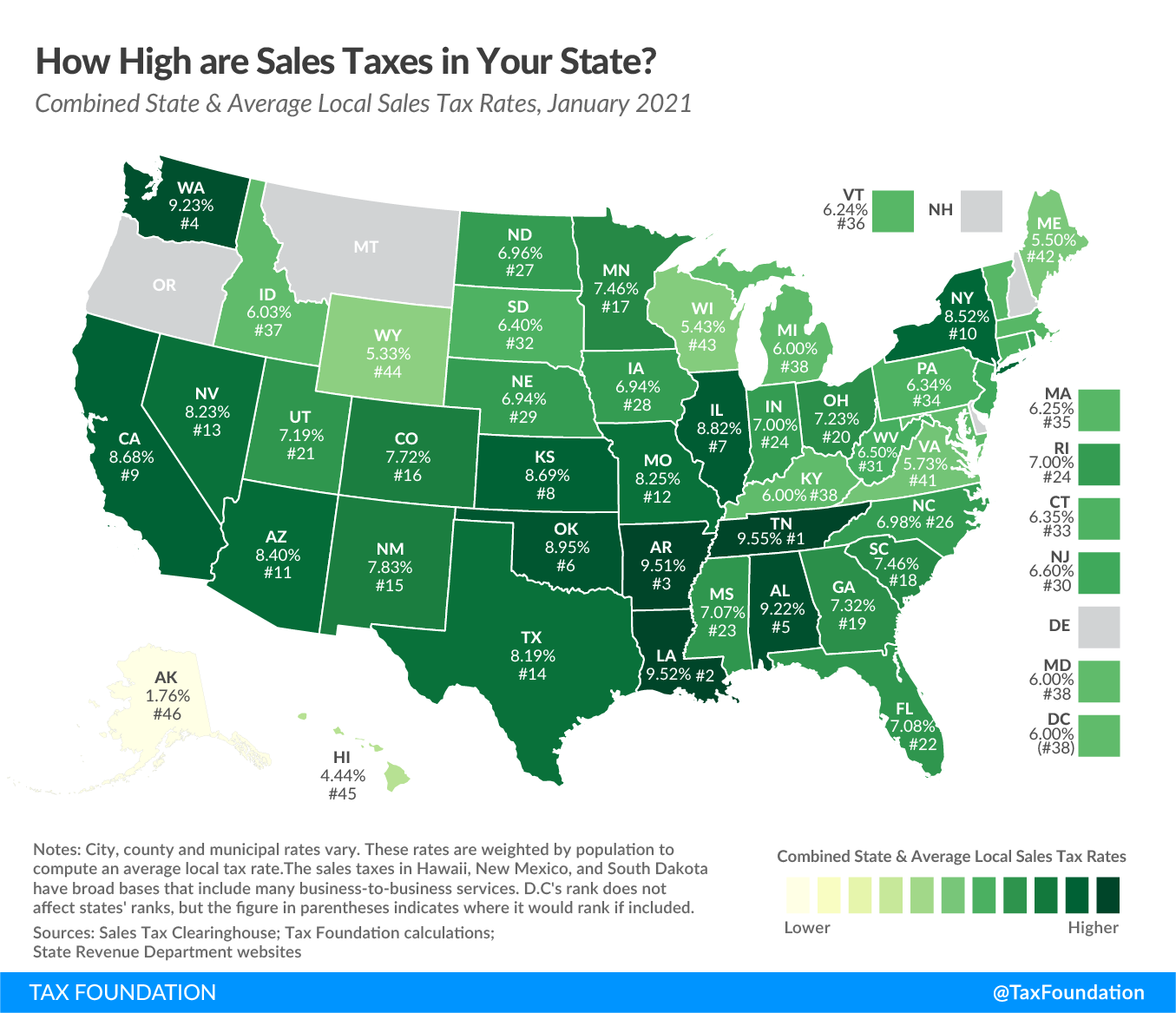
One of the most distinct advantages of traveling through Montana is its lack of a statewide sales tax. While many other states impose varying levels of consumption taxes on retail goods, food, and services, this state remains one of the few tax-havens in the country. This policy simplifies travel budgeting significantly, allowing visitors to pay exactly what is listed on the price tag without the unpleasant shock of added percentages at the register.
How the Absence of Sales Tax Impacts Your Wallet
When you walk into a boutique shop in Bozeman or purchase outdoor gear in Missoula, the total at the checkout will match the sticker price. This is a massive boon for shoppers looking to invest in high-end equipment for their outdoor excursions, such as fishing rods, camping stoves, or luxury apparel, without the typical 5% to 10% tax markup found elsewhere. For families and long-term travelers, these savings accumulate quickly, freeing up more capital to spend on unique experiences, such as guided tours through Glacier National Park or extended stays at a premier lodge in Big Sky.
The “Resort Tax” Exception
While there is no general sales tax, it is essential to remain informed about the “Resort Tax.” Certain tourist-heavy municipalities, such as Whitefish or West Yellowstone, are permitted to levy a local option tax. These are typically applied to luxury items, restaurant dining, and recreational activities to help the local government fund infrastructure and emergency services that support the influx of visitors. When you are sitting down for a steak dinner near Flathead Lake, you might see a small, additional percentage on your receipt—this is the mechanism through which these communities maintain their high quality of visitor services.
Strategic Budgeting for Your Montana Getaway
Since the retail environment is largely tax-free, your primary budgeting focus should shift toward the specific costs of tourism, accommodation, and seasonal demand. While you won’t be hit with a surprise tax on your new hiking boots, the cost of services can fluctuate based on the time of year you choose to visit.
Seasonal Cost Fluctuations
The cost of your trip will be more heavily influenced by seasonality than by government levies. Visiting during the peak summer months or the height of the ski season at Big Sky Resort will naturally command higher prices for lodging and guided services. Conversely, the “shoulder seasons”—late spring and autumn—often offer significant value. During these times, you can enjoy the serenity of Yellowstone National Park without the crowds, and many service providers lower their rates, further enhancing the cost-efficiency of your tax-free shopping sprees.
Dining and Service Gratuities
Although you avoid sales tax, remember that the culture of gratuity remains standard across the state. In cities like Helena or Billings, service staff rely on tips as a core part of their income. Budgeting for a 15% to 20% tip at restaurants and for tour guides is part of the professional traveler’s etiquette. By factoring these into your daily budget alongside the absence of sales tax, you gain a clear, transparent view of what your trip will actually cost.
Shopping for Treasures Without the Tax Burden
Because there is no sales tax, Montana has become a destination for travelers who enjoy artisanal goods and high-quality craftsmanship. Whether you are browsing for authentic Western art in Great Falls or purchasing custom-made leather goods, the final price is always transparent.
The Value of Local Artisans
Supporting local businesses is a cornerstone of responsible tourism. Because you aren’t paying a state-mandated tax, the money you spend goes directly into the hands of the creators and business owners, fostering the local economy. When you visit a local gallery in Livingston, you can afford to purchase a larger piece of art or a premium souvenir, knowing that every dollar goes toward the artist’s labor and materials.
Duty-Free Considerations for International Travelers
For international visitors arriving from countries like Canada, the lack of sales tax makes Montana an ideal stop for retail therapy. However, always keep in mind your home country’s import regulations regarding duty-free goods. While the state doesn’t charge you to buy the items, your national customs office may still require a declaration of goods upon your return. Keep all your receipts organized in a digital folder, as many local merchants provide clear, itemized proof of purchase that makes customs processing smoother.
Tips for Maximizing Your Travel Budget
To truly capitalize on the state’s tax-free status, approach your trip with a logistical plan that balances the high-value areas of Western Montana with the more rugged, affordable landscapes of the Eastern Plains.
Plan Your Major Purchases
If you have been waiting to purchase high-end photography equipment or expensive outdoor gear, Montana is the place to do it. Retailers in hubs like Kalispell often stock specialized gear tailored to the local climate. By delaying these purchases until your arrival, you effectively “discount” the price by the amount of tax you would have otherwise paid in your home state.
Accommodations and Local Fees
When booking your stays—whether at a rustic cabin near Bitterroot Valley or a modern boutique hotel—be sure to ask if the property adds a “resort fee” or a “local occupancy tax.” While general sales tax is non-existent, individual counties or municipalities may implement lodging taxes to fund tourism marketing and park maintenance. Being aware of these specific charges when booking online will ensure that your final bill matches your expectations.
Ultimately, traveling through Montana offers a rare combination of luxury, natural beauty, and financial transparency. By understanding the rare exceptions to the no-sales-tax rule and focusing your budget on high-quality experiences and locally-made goods, you can ensure that your visit to “Big Sky Country” is as rewarding for your wallet as it is for your sense of adventure. Whether you are trekking through the Absaroka-Beartooth Wilderness or enjoying a quiet evening in a small town, you can focus on the experiences that matter most, knowing the financial landscape is working in your favor.
LifeOutOfTheBox is a participant in the Amazon Services LLC Associates Program, an affiliate advertising program designed to provide a means for sites to earn advertising fees by advertising and linking to Amazon.com. Amazon, the Amazon logo, AmazonSupply, and the AmazonSupply logo are trademarks of Amazon.com, Inc. or its affiliates. As an Amazon Associate we earn affiliate commissions from qualifying purchases.