
Planning a trip to the sprawling landscapes of the American West requires more than just a sturdy pair of boots and a reliable map. It demands a keen understanding of the logistical nuances that govern travel, and chief among these is the concept of local time. For those plotting an expedition to Montana, the state known as “Big Sky Country,” clarity regarding the time zone is essential for coordinating flights, booking guided tours, and ensuring you don’t miss the sunset over the jagged peaks of the Rocky Mountains.
Understanding Mountain Time: The Standard for Montana
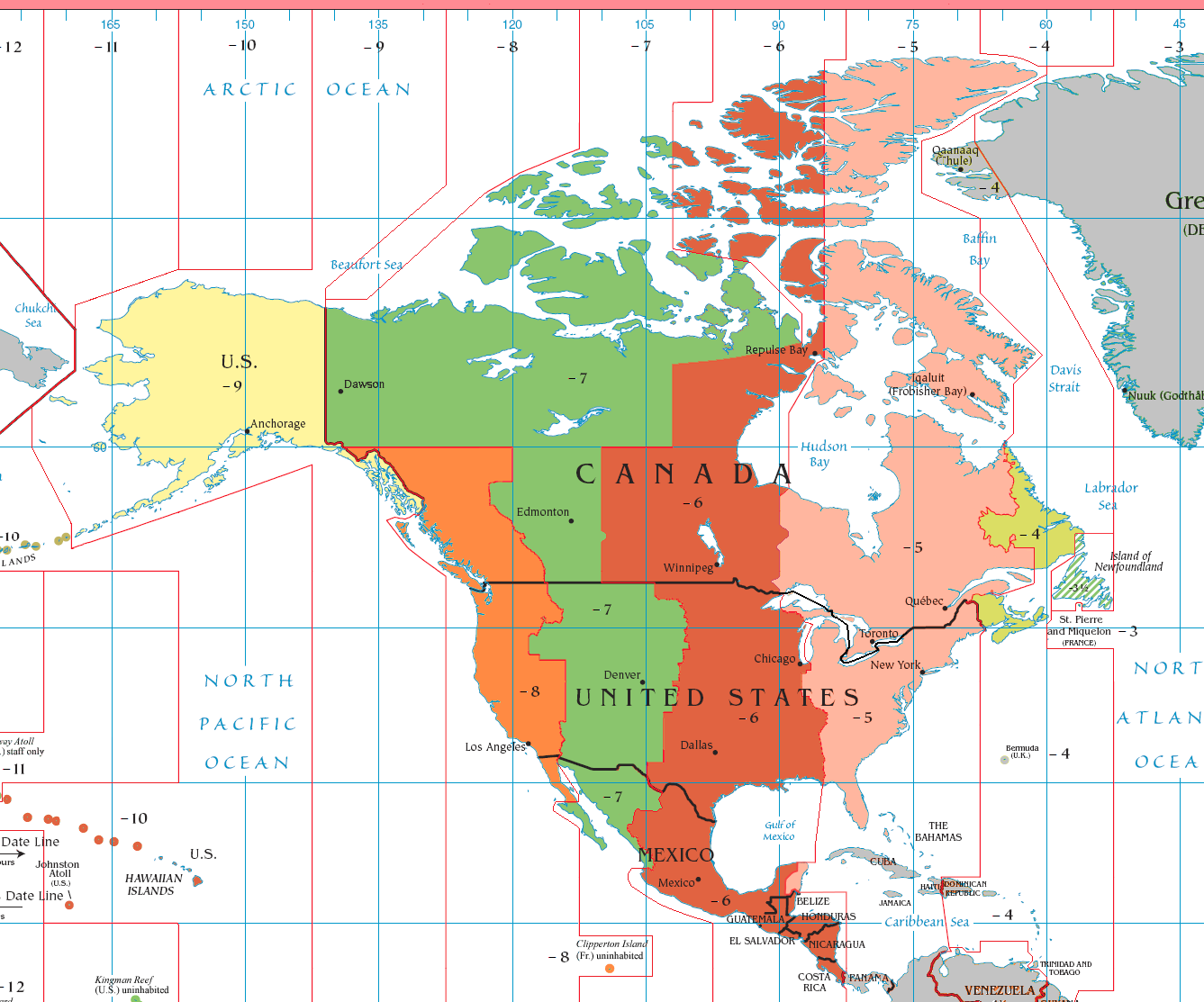
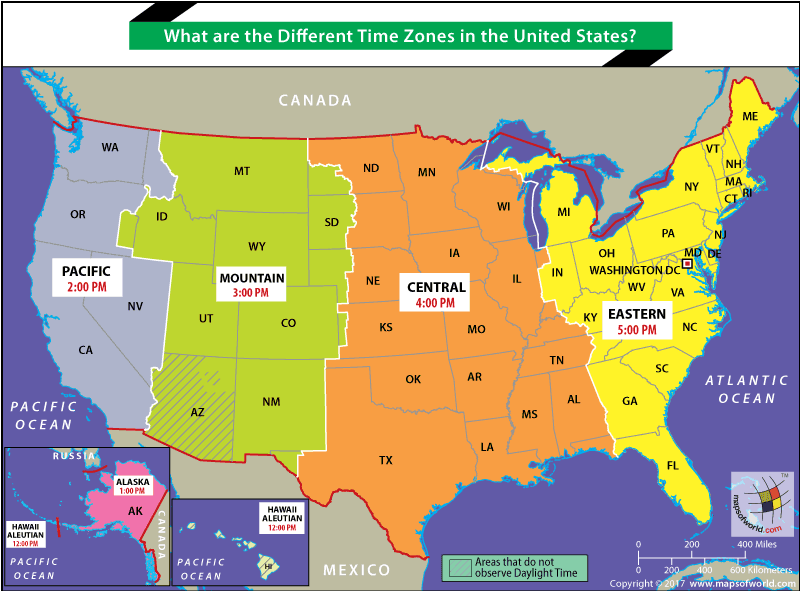
The vast majority of Montana operates on Mountain Time (MT). This is a standard feature for much of the interior United States, aligning the state with its neighbors to the east and west. To navigate this effectively, travelers must differentiate between the two states of the clock: Mountain Standard Time (MST) during the winter months and Mountain Daylight Time (MDT) during the summer.
Mountain Standard Time (MST)
During the cooler months, typically from early November to mid-March, Montana observes Mountain Standard Time, which is UTC/GMT -7. This aligns with the natural solar rhythm of the region, where the sun rises later in the morning and sets earlier in the afternoon. For visitors heading to Big Sky Resort for winter sports, it is important to remember that the shorter daylight hours mean your skiing window is compressed, requiring early starts to maximize your time on the slopes of Lone Mountain.
Mountain Daylight Time (MDT)
As spring arrives, the state transitions to Mountain Daylight Time, or UTC/GMT -6. This shift occurs in accordance with federal daylight saving time mandates. By moving the clock forward one hour, the state gains an extra hour of evening light, which is celebrated by locals and tourists alike. This additional hour of sunshine is particularly cherished in destinations like Glacier National Park, where the golden hour stretching across Lake McDonald becomes a highlight of the travel experience.
Navigating the Clock Across the State
While the answer to “What time is it in Montana?” is consistently “Mountain Time,” the sheer scale of the state can sometimes create confusion for travelers arriving from different time zones. The state spans over 147,000 square miles, meaning that even though the clock is the same everywhere from Missoula to Billings, the angle of the sun varies.
Travel Logistics and Time Management
When you touch down at Bozeman Yellowstone International Airport, the time reflected on your watch or smartphone will be the official time for the entirety of your journey through the state. Unlike states that split time zones, such as Idaho or Oregon, Montana is uniform. This simplifies the logistics for travelers moving between the historic streets of Helena and the expansive wilderness of Bozeman.

However, travelers should remain aware of their origin point. If you are flying in from the East Coast, you will be “gaining” two hours, which can be an advantage for those looking to start their mountain adventures early. Conversely, travelers arriving from the West Coast will “lose” an hour, a factor that should be accounted for when booking reservations at popular dining spots in Whitefish or scheduling a visit to the Little Bighorn Battlefield National Monument.
Why Time Matters in Big Sky Country
In Montana, time is not just a digital readout; it is a vital component of the outdoor experience. The geography of the region—marked by high-altitude plains and deep valleys—dictates the movement of weather and the availability of natural light.
The Impact of Latitude and Altitude
Because of Montana’s northern latitude, the length of the day changes more dramatically throughout the year than it does in southern states. During the summer solstice, twilight can linger late into the evening, providing ample time for hiking near Logan Pass or fly fishing on the Madison River. Conversely, the winter brings long, dark nights that are perfect for star-gazing but require caution for those driving through mountain passes.
Scheduling Wildlife Encounters
If your travel goal is to witness the local fauna, understanding the synchronization of the clock is essential. Wildlife, particularly in Yellowstone National Park—which, while technically located mostly in Wyoming, is a primary destination for Montana travelers—is most active during the crepuscular hours of dawn and dusk. By adhering to Mountain Time, you can align your itinerary to be at key locations, such as the Lamar Valley, exactly when the sun begins to peek over the horizon.
Essential Tips for the Time-Conscious Traveler
As you prepare your itinerary for the “Treasure State,” keep these practical tips in mind to ensure your trip remains stress-free and synchronized:
- Check Your Devices: Ensure your smartphone is set to “Automatic Time Zone” detection. Most modern devices will detect the change as you cross the border into Montana, but mountainous terrain can occasionally interfere with cellular signals, temporarily stalling the update.
- Confirm Appointment Times: When booking tours or transportation in cities like Great Falls or Butte, always confirm the time zone in which the company operates. While it is uniformly Mountain Time, remote operators may sometimes have quirks in their communication—it never hurts to be explicit.
- Plan for “Mountain Pace”: In many parts of the state, especially rural areas near the Cabinet Mountains, the pace of life follows the sun rather than the clock. Embrace the local rhythm; being flexible with your schedule is often the best way to enjoy the rugged beauty that defines the region.
- Factor in Travel Time: Because the landscape is vast and mountain roads can be winding, “time” in Montana is often best measured by distance. A sixty-mile journey between Kalispell and a nearby trailhead might take significantly longer than a similar distance in a flatter state. Always add a buffer to your travel time when using GPS estimations.
By staying mindful of the Mountain Time zone, you can move through Montana with the confidence of a seasoned traveler. Whether you are chasing the early morning light on Flathead Lake or settling into a cozy lodge in Livingston as the stars appear, knowing the time allows you to fully immerse yourself in the wonders of the West. Adventure awaits, and with your watch set to the correct hour, you are ready to explore the vast, untamed horizon that only the northern Rockies can provide.
LifeOutOfTheBox is a participant in the Amazon Services LLC Associates Program, an affiliate advertising program designed to provide a means for sites to earn advertising fees by advertising and linking to Amazon.com. Amazon, the Amazon logo, AmazonSupply, and the AmazonSupply logo are trademarks of Amazon.com, Inc. or its affiliates. As an Amazon Associate we earn affiliate commissions from qualifying purchases.