
When visitors traverse the vast, rugged landscapes of Montana, they are often struck by the sheer diversity of the wilderness. From the jagged peaks of Glacier National Park to the rolling plains of the eastern reaches, the flora of the Treasure State is as iconic as its mountains. Among the various species that define the regional aesthetic, one stands tall above the rest, recognized officially as the state tree: the Ponderosa Pine.
The Botanical Identity of the Treasure State
The Ponderosa Pine (Pinus ponderosa) is not merely a common tree in the American West; it is a symbol of resilience and endurance. Montana officially designated the Ponderosa Pine as its state tree in 1949, acknowledging its widespread presence and its historical significance to the development of the region.

Characteristics and Appearance
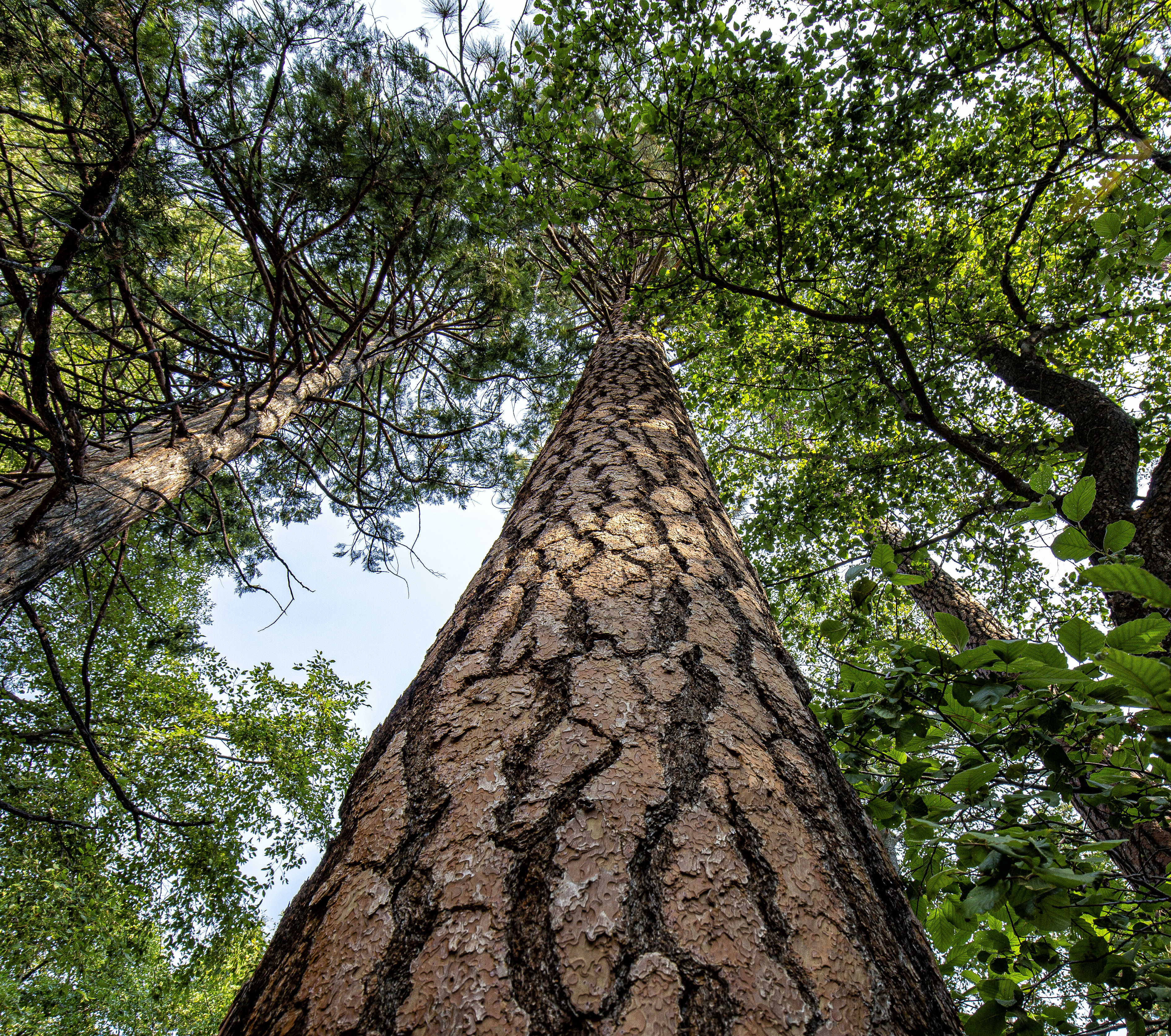
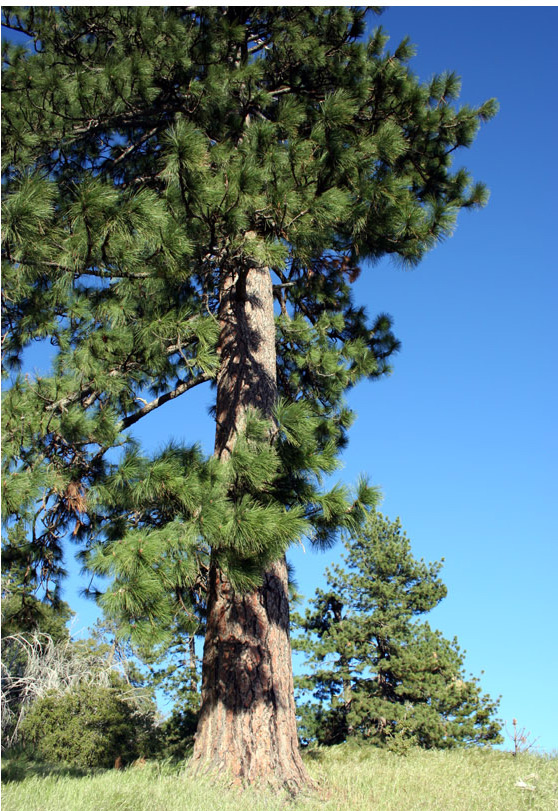
The Ponderosa Pine is immediately recognizable to those familiar with the forests of North America. These magnificent trees can grow to impressive heights, often exceeding 150 feet in prime conditions. One of the most distinctive features of a mature Ponderosa is its bark. As the tree ages, the bark transitions from a dark, youthful brown to a vibrant, jigsaw-puzzle-like pattern of reddish-orange plates.
Beyond its striking visual appeal, the Ponderosa is known for a unique sensory experience. On a warm day in Missoula or the Bitterroot Valley, the bark of a Ponderosa Pine emits a subtle, sweet scent, frequently described as smelling faintly of vanilla or butterscotch. This characteristic is a favorite among hikers exploring the backcountry.
Ecological Importance
The role of the Ponderosa Pine in the ecosystem of The United States cannot be overstated. It is a keystone species that provides essential habitat for countless wildlife, including the Lewis’s woodpecker, pygmy nuthatches, and various species of squirrels and deer. Furthermore, the tree’s deep taproot system and thick, fire-resistant bark allow it to survive the periodic, low-intensity forest fires that are a natural part of the ecology in the Rocky Mountains.
Exploring Montana’s Arboreal Heritage
For those traveling through Montana, observing the state tree is a simple endeavor, as it thrives in a wide range of elevations and microclimates. Whether you are visiting the historic sites of Helena or the outdoor corridors near Bozeman, you are likely standing in the shade of a Ponderosa.
Where to Find the Best Stands
While Ponderosa Pines are ubiquitous, certain areas offer a more profound experience of these giants. The Lolo National Forest contains extensive groves where visitors can witness the transition from dense pine stands to open, park-like forests. In these areas, the trees are spaced out in a way that allows sunlight to reach the forest floor, creating a landscape that is both serene and historically significant to the indigenous peoples who have lived in the region for millennia.
Historical and Cultural Significance
The wood of the Ponderosa Pine played a vital role in the expansion of the western frontier. During the 19th century, the lumber industry relied heavily on these straight-growing giants for construction, mining infrastructure, and the expansion of the Northern Pacific Railway. Today, however, the focus has shifted from timber extraction to forest stewardship and preservation. Conservation efforts in areas like the Gallatin National Forest ensure that future generations will continue to enjoy the majesty of these ancient sentinels.
Beyond the Pine: Understanding Montana’s Natural Wonders
While the Ponderosa Pine holds the official title, it is just one component of the complex natural tapestry that makes Montana a premier destination for nature enthusiasts. The state’s forests are a mosaic of lodgepole pine, Douglas fir, and quaking aspen, each contributing to the seasonal transformations that turn the Big Sky Country into a palette of gold and crimson during the autumn months.
Conservation and Forest Management
Public lands in Montana represent some of the most protected wilderness in the country. Organizations dedicated to the preservation of the Yellowstone National Park ecosystem work tirelessly to maintain the health of these forests against threats such as bark beetles and invasive pathogens. Understanding the state tree is part of a larger appreciation for the delicate balance required to maintain the health of the Continental Divide.
Tips for Travelers Visiting Forested Areas
When planning a trip to immerse yourself in the beauty of Montana’s woodlands, keep these guidelines in mind:
- Stay on Marked Trails: Preserving the soil around the root systems of old-growth Ponderosa Pines is essential for their longevity.
- Practice Leave No Trace: As you explore the wilderness, ensure that you carry out everything you bring in to protect the fragile understory of the forest.
- Observe Fire Safety: Given that Ponderosa forests are fire-adapted but vulnerable, always adhere to local fire bans and guidelines provided by the Bureau of Land Management.
- Seasonal Awareness: The experience of the forest changes drastically between seasons. While summer offers the classic “vanilla” scent of the Ponderosa, winter provides a silent, snow-covered landscape that highlights the structural beauty of the trees.
The Enduring Legacy of the Ponderosa
The Ponderosa Pine is more than just an official state symbol; it is a witness to history. Standing before a century-old tree, one gains a perspective that transcends the fast-paced nature of modern life. These trees have watched over the Great Plains and the alpine slopes long before the arrival of settlers and continue to do so today.
As you plan your journey through Montana, take a moment to look upward. Seek out the distinct reddish-orange bark and the long, graceful needles that define the Ponderosa Pine. Whether you are visiting the bustling streets of Billings or finding solitude in the quiet corners of the Flathead National Forest, the state tree serves as a constant reminder of the wild, unyielding spirit of the American West.
By understanding the importance of the Ponderosa Pine, visitors can develop a deeper connection to the land. It encourages a slower pace of travel—one that values the quiet, towering presence of nature and the biological history contained within every ring of these magnificent trees. Montana’s identity is intrinsically linked to its landscape, and as the official state tree, the Ponderosa Pine remains the enduring guardian of that identity.
LifeOutOfTheBox is a participant in the Amazon Services LLC Associates Program, an affiliate advertising program designed to provide a means for sites to earn advertising fees by advertising and linking to Amazon.com. Amazon, the Amazon logo, AmazonSupply, and the AmazonSupply logo are trademarks of Amazon.com, Inc. or its affiliates. As an Amazon Associate we earn affiliate commissions from qualifying purchases.