
While Montana is famously known as the “Big Sky Country” and is home to vast stretches of rugged wilderness, its identity as a premier national park destination is defined primarily by its crown jewel: Glacier National Park. Spanning over one million acres of northern Rocky Mountains terrain, this protected landscape is a testament to the raw power of geological history and glacial sculpting. While Yellowstone National Park is often associated with the region, it is crucial to note that while a small portion of its footprint extends into Montana, the vast majority of its geysers and geothermal features are located within Wyoming. Consequently, for those seeking the quintessential Montana national park experience, Glacier National Park stands as the primary destination.
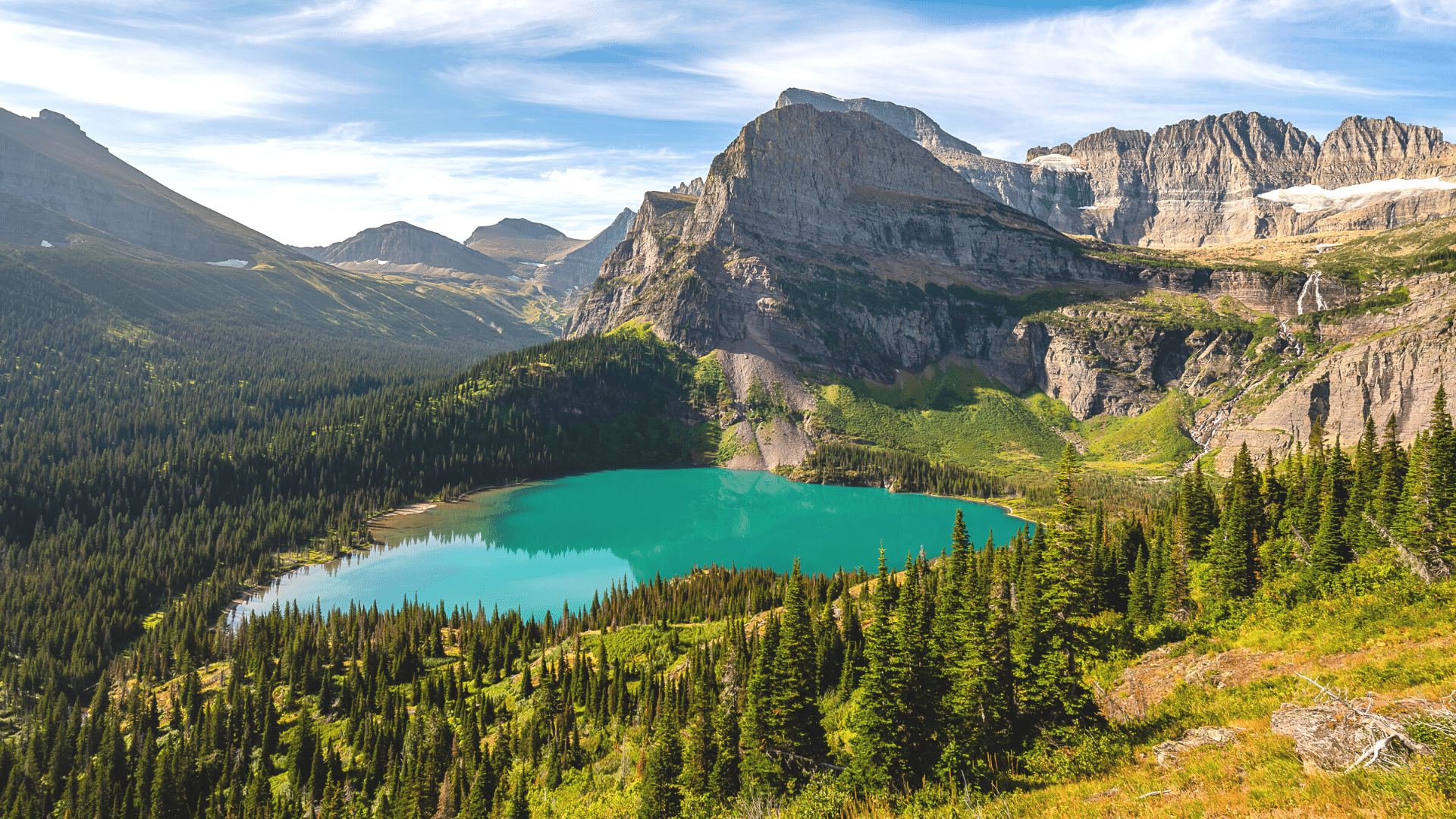
The Geological Marvel of Glacier National Park
Located in the northern reaches of the state, bordering Canada and the provinces of British Columbia and Alberta, Glacier National Park is a landscape defined by the dramatic retreat of ice ages past. The mountains found here are part of a unique geological formation known as the Lewis Overthrust, where ancient rock was pushed miles eastward over younger rock, creating the sheer cliffs and jagged peaks that define the Continental Divide.
The Retreating Glaciers
The park’s namesake, the glaciers, are the defining features of this high-alpine environment. At the turn of the 20th century, there were roughly 150 glaciers within the park’s boundaries. Today, due to shifting climatic patterns, fewer than 30 remain. Observing these remnants of the last ice age provides a sobering yet awe-inspiring look at the natural world. Visitors often make the trek to see Grinnell Glacier or Jackson Glacier, both of which are accessible through rigorous hiking trails that offer panoramic vistas of the surrounding Mcintyre Range.
Alpine Ecosystems
The park serves as a vital sanctuary for biodiversity in the United States. From the dense coniferous forests in the valleys—home to western red cedars and hemlocks—to the stark, rocky slopes where Mountain Goats navigate near-vertical terrain, the ecosystem is a complex web of life. It is common to spot Grizzly Bears and Moose near the shores of Lake Mcdonald, the largest lake in the park, famous for its colorful pebbles and crystal-clear waters.
Navigating the Crown of the Continent
The infrastructure within Glacier National Park is designed to allow visitors to traverse some of the most challenging terrain in North America with relative ease. The crown jewel of park navigation is undeniably the Going-to-the-Sun Road.
Engineering a Masterpiece
Completed in 1932, this 50-mile engineering marvel traverses the width of the park, winding through the St. Mary Valley and climbing over Logan Pass. The road is a National Historic Landmark, offering travelers an unparalleled view of glacial valleys, cascading waterfalls, and steep mountain faces. Because of the massive accumulation of snow throughout the winter, the road is typically only fully open to vehicles from late June through early autumn.
Backcountry Wilderness and Trails
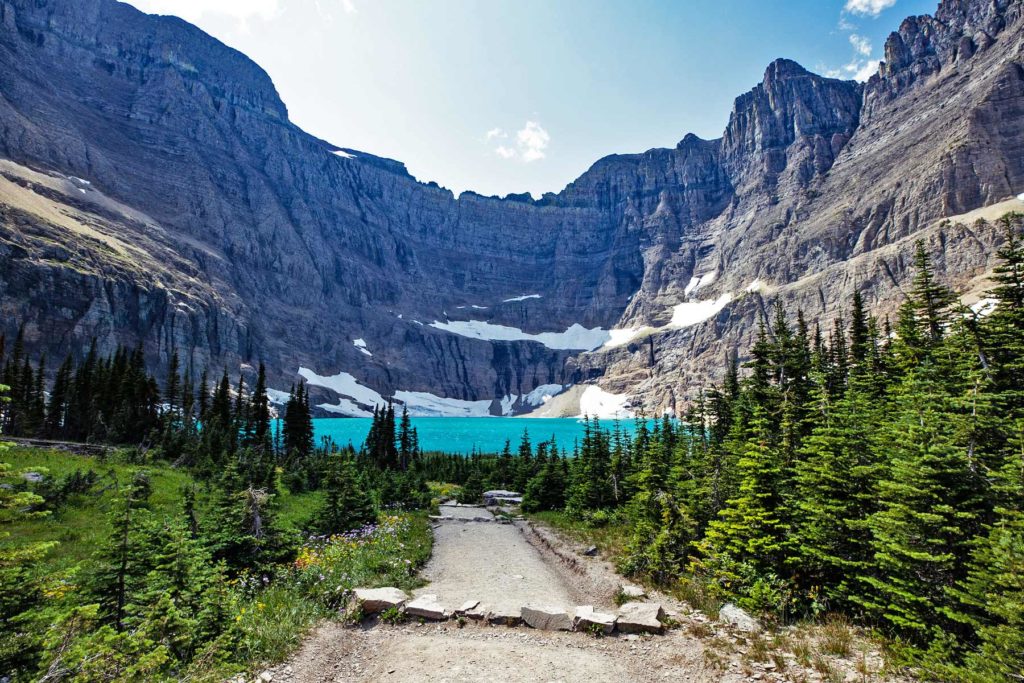
For those looking to escape the crowds found near the visitor centers, the park offers over 700 miles of hiking trails. Experienced backpackers often venture deep into the Many Glacier area, where the valley walls seem to close in, providing a sense of solitude that is increasingly difficult to find. Trails leading to Hidden Lake provide opportunities to see alpine meadows in full bloom, while the path to Iceberg Lake offers the chance to see floating ice chunks even in the heat of mid-summer.
Conservation and the Future of the Landscape
Managing a national park of this magnitude requires a delicate balance between public access and environmental preservation. The National Park Service faces the ongoing challenge of protecting the fragile alpine flora while accommodating the millions of visitors who travel to Montana specifically to witness the grandeur of Glacier National Park.
Sustainable Tourism
To maintain the integrity of the park, recent years have seen the implementation of vehicle reservation systems for popular areas like Going-to-the-Sun Road and North Fork. These systems are designed to reduce congestion and protect the park’s sensitive roadsides from overuse. Travelers are encouraged to utilize the park’s shuttle system, which reduces the carbon footprint and minimizes the number of vehicles navigating the steep mountain passes.
Beyond the Boundaries: The Greater Glacier Area
The experience of visiting a national park in Montana often extends into the surrounding communities. Gateway towns such as Whitefish, Columbia Falls, and Kalispell provide the essential services that support tourism. These towns maintain a distinct Western character, preserving the history of early mountain explorers and the timber industry that once defined the regional economy. Whether one is looking for high-end gear at a local shop or a quiet dinner after a day spent traversing the Continental Divide, these municipalities are integral to the visitor experience.

Essential Tips for Your Visit
Visiting this mountainous paradise requires preparation. The weather in Montana is notoriously unpredictable; it is entirely possible to experience sunshine, rain, and snow on the same day, particularly at high elevations.
- Packing Strategy: Layers are critical. A moisture-wicking base layer, a warm fleece, and a high-quality, windproof, and waterproof outer shell are essential for any hiker or sightseer.
- Wildlife Safety: This is bear country. Carrying bear spray and knowing how to use it is a standard expectation for anyone hiking within Glacier National Park. Keeping a respectful distance from wildlife—at least 100 yards for predators and 25 yards for ungulates—is mandatory for the safety of both the visitors and the animals.
- Best Time to Visit: While the park is open year-round, the peak season is short. July through mid-September provides the best access to high-elevation roads and trails. During the winter months, the park shifts into a quiet, snow-covered landscape that is largely only accessible to cross-country skiers and snowshoers.
By focusing on the preservation of its natural state, Glacier National Park remains one of the most vital landmarks in the United States. It represents a commitment to maintaining the wildness of the Rocky Mountains for future generations, ensuring that the jagged peaks and glacial waters continue to inspire awe long after the first snows of the next season fall. For any traveler exploring the American West, a journey to this Montana masterpiece is an essential chapter in the story of North American travel.
LifeOutOfTheBox is a participant in the Amazon Services LLC Associates Program, an affiliate advertising program designed to provide a means for sites to earn advertising fees by advertising and linking to Amazon.com. Amazon, the Amazon logo, AmazonSupply, and the AmazonSupply logo are trademarks of Amazon.com, Inc. or its affiliates. As an Amazon Associate we earn affiliate commissions from qualifying purchases.