
When exploring the vast, rugged landscapes of the American West, travelers often find themselves enchanted by the unique flora that punctuates the horizon. For those venturing through Montana, the “Big Sky Country,” there is a particular blossom that carries the weight of history, identity, and natural beauty: the Bitterroot.
The Bitterroot, scientifically known as Lewisia rediviva, was officially designated as the state flower of Montana on February 27, 1895. Its selection was not merely an aesthetic choice; it represents a deep connection to the land, the indigenous history of the region, and the resilient spirit required to thrive in the harsh climates of the Rocky Mountains.
The Botanical Marvel: Understanding the Bitterroot
The Bitterroot is a fascinating perennial herb that captures the essence of the arid, rocky soil found throughout Western Montana. To understand why this specific plant became a state icon, one must look closely at its unique characteristics and its ability to survive in environments where few other plants can take root.
Physical Characteristics and Blooming Patterns
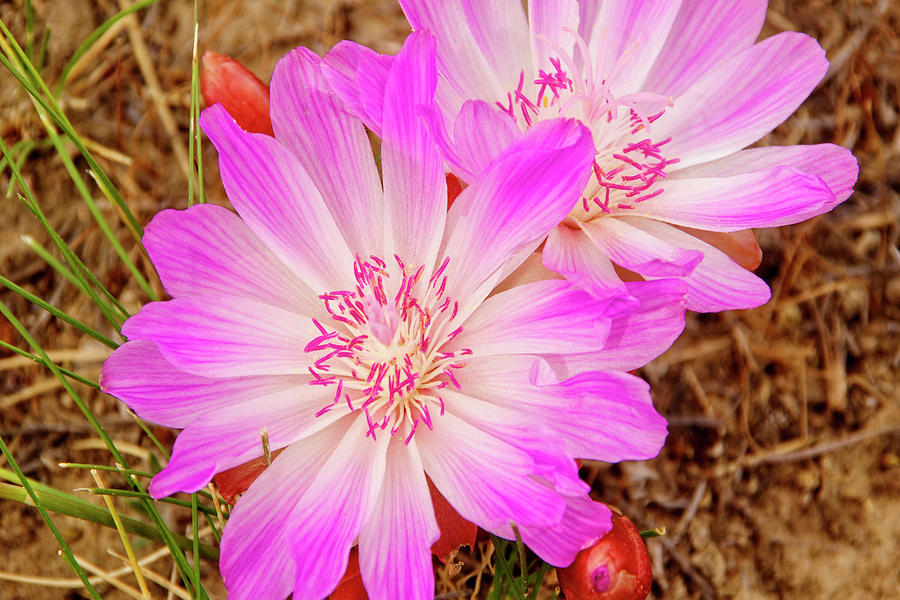
The plant is relatively low-growing, typically found in clusters of succulent, fleshy leaves that emerge early in the spring. As the season progresses, it produces a spectacular, short-lived bloom. The flowers are remarkably large for such a small plant, ranging in color from deep pink to delicate white.
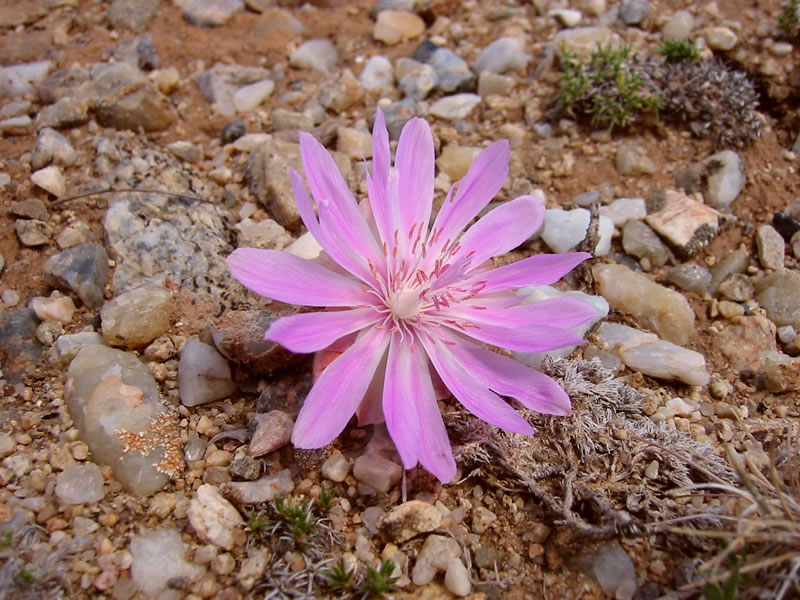
Often, these blooms appear as if they are sitting directly on the ground, creating a vibrant carpet of color against the stark, gravelly backdrop of the Bitterroot Valley. Because they bloom in the spring—often following the retreat of snow—they serve as a seasonal milestone for both locals and those visiting Missoula or the surrounding wilderness areas.
The Phenomenon of Resurrection
The species name, rediviva, comes from the Latin word meaning “brought back to life.” This speaks to the plant’s incredible biological resilience. After the flowering period ends, the foliage often withers and disappears entirely as the plant enters dormancy during the dry summer months. However, when the moisture returns or the next spring arrives, the plant emerges from its fleshy root once more. This cycle of apparent disappearance and dramatic return fascinated early explorers, cementing the Bitterroot’s status as a symbol of endurance.
Historical Significance and Cultural Heritage
The identity of Montana is deeply intertwined with the history of the Native American tribes who have inhabited the region for millennia. The Bitterroot was far more than a pretty flower to the Salish, Kootenai, and Shoshone peoples; it was a vital food source.
A Staple of Indigenous Life
The root of the plant, which is harvested in the early spring before the flower buds open, is highly nutritious. When boiled, the root provides a starchy, though distinctly bitter, sustenance that sustained tribal communities through the late winter and early spring months. The importance of this plant is evidenced by the fact that the Bitterroot Mountains and the aforementioned valley take their names from this very plant.
The act of harvesting the root was—and remains—a significant cultural practice. It involved careful stewardship of the land, ensuring that enough roots remained to allow for future regrowth. When early explorers like Meriwether Lewis and William Clark passed through this region, they documented their encounters with the plant, noting its bitter taste and its role in the diet of the local tribes. It was this encounter that ultimately led to the plant’s scientific naming, as Meriwether Lewis is the namesake for the genus Lewisia.
Spotting the Bitterroot in the Wild
For nature enthusiasts and hikers visiting the National Parks or state forests of Montana, catching a glimpse of the state flower is a highlight of any spring excursion. However, because the blooming period is short and the habitat specific, knowing where and when to look is essential for a successful observation.
Ideal Habitats and Timing
If you are planning a trip to Helena or Bozeman during the spring, you are in prime territory for viewing the Bitterroot. They thrive in dry, sandy, or gravelly soils, often on hillsides or open plains that receive full sunlight.
- Elevation matters: You will generally find them in lower to middle elevations where the snow melts first.
- Timing: Depending on the specific year’s weather patterns, the prime viewing window is usually between April and June.
- Terrain: Look for open meadows or rocky outcrops where the ground is well-drained.
Conservation and Ethical Viewing
Because the Bitterroot is a slow-growing plant and a symbol of state pride, it is important to practice “Leave No Trace” principles. Visitors should enjoy the beauty of the flowers in their natural habitat rather than picking them. Disturbing the soil or removing the roots can hinder the plant’s ability to survive in its native environment. By respecting these natural treasures, travelers help ensure that future generations can continue to witness the stunning pink blooms of the Rocky Mountains.
The Legacy of the Bitterroot in Modern Culture
Today, the Bitterroot remains a potent symbol of Montana identity. It appears in local artwork, represents the resilience of the local economy, and serves as a reminder of the rugged, untamed beauty that attracts millions of visitors to the United States each year.

Beyond the Flower
The influence of the Bitterroot extends beyond the botanical world. It has inspired local festivals, photography tours, and conservation initiatives focused on protecting the diverse ecosystems of the Northwest. When you see the logo of a Montana-based outdoor brand or the design of a souvenir in Butte, you are often seeing the subtle influence of this iconic floral emblem.
For those traveling to the region, understanding the history of the state flower adds a layer of depth to the experience. Whether you are trekking through the Gallatin National Forest or enjoying the quiet solitude of the Bitterroot National Forest, keeping an eye out for the small but mighty Lewisia rediviva serves as a poignant reminder of the enduring connection between the people, the history, and the wild landscapes of this incredible state.
The next time you find yourself surrounded by the majestic peaks of Montana, look down at the rocky earth. You may just find the pink, star-shaped blossom that has defined the spirit of the Northern Rockies for centuries. It is a small, quiet presence, but one that carries the immense weight of the landscape’s history and the promise of renewal with every passing spring.
LifeOutOfTheBox is a participant in the Amazon Services LLC Associates Program, an affiliate advertising program designed to provide a means for sites to earn advertising fees by advertising and linking to Amazon.com. Amazon, the Amazon logo, AmazonSupply, and the AmazonSupply logo are trademarks of Amazon.com, Inc. or its affiliates. As an Amazon Associate we earn affiliate commissions from qualifying purchases.