
Planning a trip to the “Big Sky Country” requires more than just a sturdy pair of boots and a sense of adventure; it demands a nuanced understanding of the dramatic atmospheric shifts that define the state. Montana is a land of extreme contrasts, where the geography—ranging from the high-altitude peaks of the Rocky Mountains to the sweeping plains of the east—creates localized weather patterns that can change in the blink of an eye. Whether you are aiming for the hiking trails of Glacier National Park or exploring the historic streets of Helena, understanding the seasonal cadence of this region is essential for a seamless travel experience.

The Seasonal Rhythm of the Northern Rockies
The climate in this state is classified as semi-arid and continental, which essentially translates to cold, often snowy winters and warm, dry summers. However, because of the significant variations in elevation, it is rare to experience a uniform climate across the entire state.
The Awakening of Spring
Spring in Bozeman and Missoula is often characterized as a “mud season.” During April and May, as the heavy winter snowpack begins to melt, the landscape transforms from frozen browns to lush greens. Temperatures generally range from the 40s to the 60s Fahrenheit. While this is a beautiful time to witness the spring thaw, hikers should be prepared for trail closures due to high water levels and soggy, unstable terrain. It is the perfect time for those interested in photography, as the waterfalls are at their most powerful.
The Peak of Summer Adventure
Summer, which typically spans from late June through August, is the most popular time for tourism. Daytime temperatures in cities like Billings can comfortably reach the 80s and occasionally hit the low 90s, while the nights remain cool and crisp. The low humidity makes these temperatures feel much more manageable than in other parts of the country. This season provides optimal access to high-altitude destinations like Going-to-the-Sun Road, which often does not fully open until late June or early July due to residual snowdrifts.
Navigating the Shoulder Seasons and Winter Extremes
While summer is the prime window for outdoor recreation, the shoulder seasons and the intense winter months offer a different, more solitary allure for the intrepid traveler.
The Golden Hues of Autumn
September and October are arguably the best-kept secrets of the region. As the crowds at Yellowstone National Park begin to thin, the weather settles into a pattern of warm, sunny days followed by chilly nights. The larch trees turn a brilliant, glowing gold, creating a stunning contrast against the backdrop of the Bitterroot Range. Travelers during this window should pack in layers, as it is not uncommon to experience a light dusting of snow in the morning followed by an afternoon of pleasant, shirt-sleeve weather.
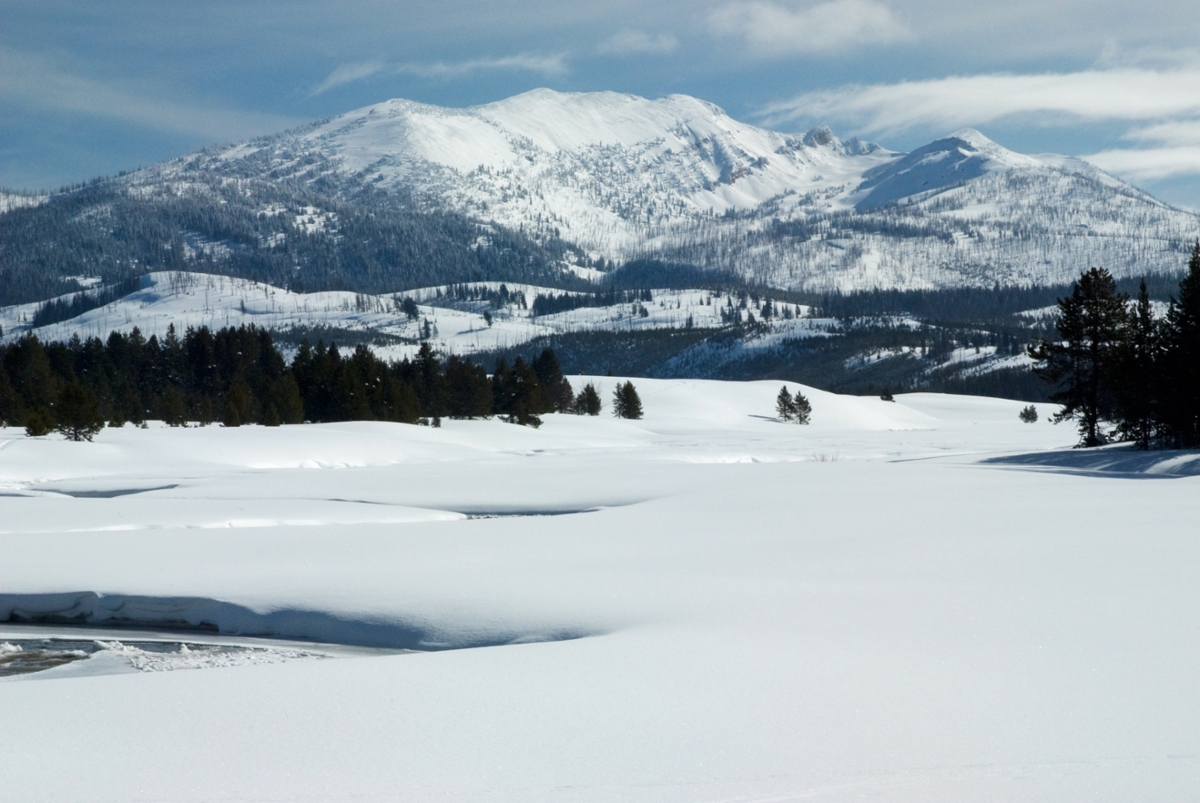
The Deep Freeze of Winter
Winter in the northern Rockies is not for the faint of heart, but for those who enjoy skiing, snowboarding, or snowshoeing, it is paradise. Starting in November and extending through March, the state experiences sub-freezing temperatures and consistent snowfall. Regions near Whitefish receive significant powder, making it a premier destination for winter sports.
One phenomenon that visitors should be aware of is the “Chinook wind.” These are warm, dry winds that descend from the mountains on the leeward side, capable of raising the temperature by 20 to 30 degrees in a matter of hours. A town might wake up to a frigid morning and be walking around in light jackets by noon, a testament to the unpredictable nature of the regional climate.
Essential Packing Strategies for Every Traveler
Because weather in this region is so volatile, a “prepare for anything” philosophy is the golden rule. Even if you are visiting in the height of July, you must be prepared for a sudden temperature drop if you are heading into the mountains.
The Layering System
The most professional way to handle the variable conditions is through a tried-and-true layering system:
- Base Layer: Moisture-wicking materials are essential to keep your skin dry during physical activities.
- Insulation Layer: A fleece or down jacket is vital for those cool mountain mornings or breezy evenings in towns like Livingston.
- Outer Shell: A windproof and waterproof jacket is non-negotiable. Mountain weather can turn from sunshine to a rainstorm or snow flurry within minutes, regardless of the season.
Footwear and Accessories
For summer hiking, sturdy boots with good ankle support are recommended for the rugged terrain of the Absaroka-Beartooth Wilderness. During the winter, insulated, waterproof boots are essential for navigating the snowy streets of urban centers like Great Falls. Always bring a polarized pair of sunglasses; the reflection of the sun off the vast snowy fields or the alpine lakes can be intense and damaging to the eyes.

Regional Variations: East vs. West
It is a common misconception that the weather is the same across the state’s massive 147,000 square miles. The Continental Divide acts as a literal weather barrier.
The western side of the state, influenced by Pacific air masses, tends to be wetter and more temperate, with milder winters and cooler summers. The landscape here is lush, characterized by dense evergreen forests and deep, glacially carved valleys. In contrast, the eastern side of the state is characterized by the Great Plains. This region is significantly drier, with a climate that is more prone to the extremes of the North American interior. Expect hotter summers and much colder, windier winters in the eastern stretches near the border with North Dakota.
When planning your itinerary, consider your tolerance for cold. If you are seeking the classic, rugged winter experience, head north toward the Canadian border. If you prefer a milder environment, the valleys surrounding Flathead Lake offer a slightly more moderate microclimate due to the thermal mass of the water.
Ultimately, the beauty of the climate here is its ability to shape the landscape in such dramatic ways. The weather is not merely an obstacle to your travel plans; it is the architect of the very scenery you have come to explore. By staying flexible, packing the right gear, and respecting the raw power of the mountain environment, you can enjoy the splendor of this region in any season. Whether it is the brilliant wildflowers of June or the pristine, quiet snowscapes of January, the weather remains an intrinsic part of the authentic experience.
LifeOutOfTheBox is a participant in the Amazon Services LLC Associates Program, an affiliate advertising program designed to provide a means for sites to earn advertising fees by advertising and linking to Amazon.com. Amazon, the Amazon logo, AmazonSupply, and the AmazonSupply logo are trademarks of Amazon.com, Inc. or its affiliates. As an Amazon Associate we earn affiliate commissions from qualifying purchases.