
When travelers envision the rugged, untamed spirit of the American West, their minds inevitably drift toward the jagged, snow-capped horizons of Montana. Known as the “Treasure State,” Montana is defined by its dramatic topography, which serves as a sanctuary for wildlife and a playground for outdoor enthusiasts. While many assume there is a single defining mountain range, the reality is far more complex and geologically rich. The state is home to a vast network of ranges that fall under the grand umbrella of the Rocky Mountains.
The Majesty of the Rocky Mountains
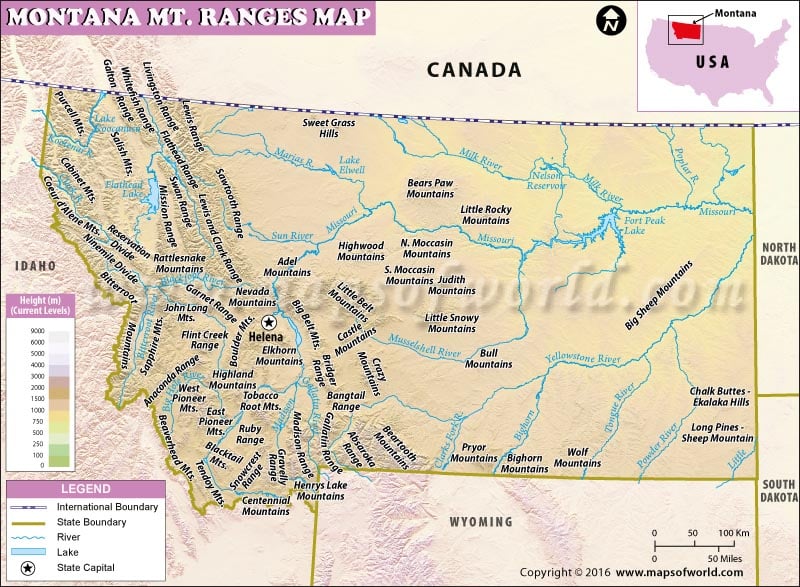
The Rocky Mountains stretch across North America, but their presence in the northwestern portion of Montana is particularly iconic. This region, often referred to as the Northern Rockies, encompasses a series of smaller, distinct ranges that create the dramatic skyline visible from the Big Sky Country.
The Continental Divide
One of the most significant features of the Rocky Mountains as they traverse Montana is the Continental Divide. This hydrologic divide separates the watersheds that drain into the Pacific Ocean from those that drain into the Atlantic Ocean via the Gulf of Mexico. Hiking along this ridge offers travelers an unparalleled perspective on the sheer scale of the landscape.
Glacier National Park and the Lewis Range
Perhaps the most famous section of the mountains in the state is located within Glacier National Park. Here, the Lewis Range rises abruptly from the Great Plains. These mountains are characterized by ancient sedimentary rock formations that have been carved by massive glaciers over millennia. The Going-to-the-Sun Road provides visitors with a front-row seat to the sheer cliffs and glacial valleys that define this specific range.
Distinctive Ranges Across the Landscape
Beyond the famous peaks of Glacier National Park, Montana boasts several other prominent mountain ranges that offer diverse experiences for hikers, climbers, and photographers alike. Each range possesses a unique geological history and ecological footprint, contributing to the state’s incredible biodiversity.
The Beartooth Mountains
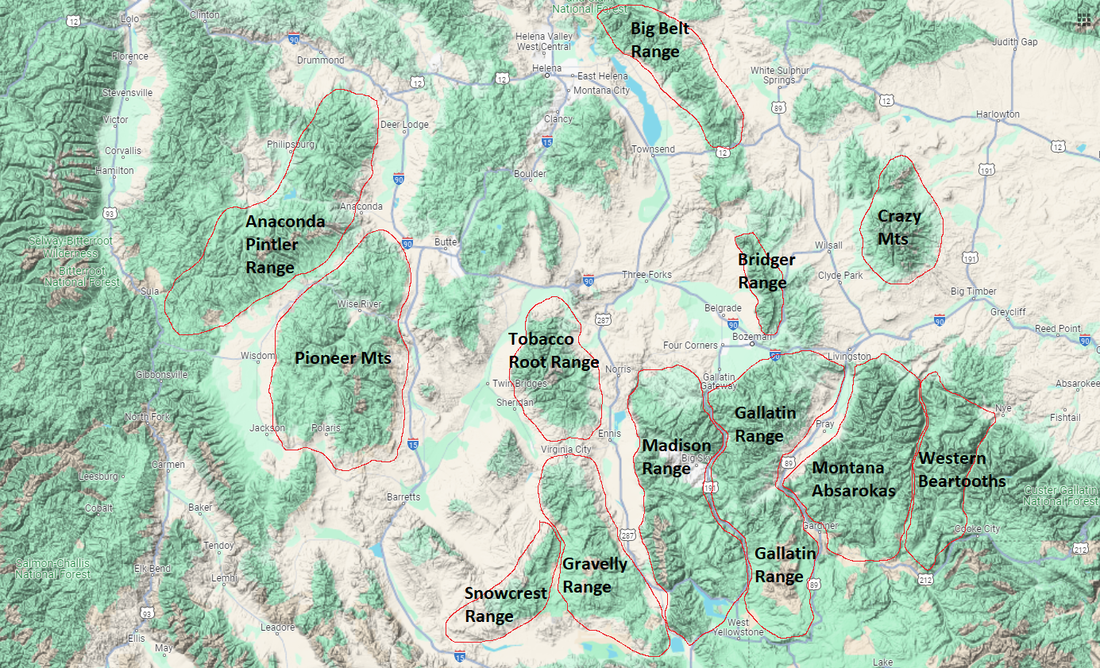
Located in the south-central part of the state, near the border of Wyoming, the Beartooth Mountains represent some of the highest and most rugged terrain in Montana. This range is home to Granite Peak, the highest point in the state, standing at an elevation of 12,807 feet. The Beartooth Highway is often cited as one of the most scenic drives in the United States, climbing high above the timberline into an alpine tundra environment that feels like another planet.
The Absaroka Range
Adjacent to the Beartooth Mountains and extending into Yellowstone National Park, the Absaroka Range offers a more volcanic history. These mountains are defined by dramatic, jagged volcanic spires and deep, forest-filled canyons. Because much of this range is protected within designated wilderness areas, it remains one of the most pristine and untouched environments in the lower 48 states.

The Bitterroot Mountains
On the western border, separating Montana from Idaho, lies the Bitterroot Mountains. This range is part of the larger Bitterroot Range and is famous for its steep granite faces and dense coniferous forests. It was through these difficult mountains that the Lewis and Clark Expedition famously struggled during their quest to reach the Pacific Ocean. Today, it is a haven for those seeking solitude and deep-country adventure.
Seasonal Considerations for Mountain Exploration
Understanding the climate of Montana is essential for anyone planning a visit to these mountain ranges. The weather can change in an instant, and the accessibility of certain ranges is dictated largely by the season.
Summer Hiking and Alpine Access
Summer, typically running from late June through early September, is the prime window for exploring the high alpine regions. During this time, the snow melts from high-altitude passes, allowing access to the best trails in the Beartooth Mountains and the Mission Mountains. It is the perfect season for multi-day backpacking trips and wildlife photography, as the mountain meadows are in full bloom.
Winter Sports and Snowy Peaks
When winter arrives, the Montana mountain ranges transform into a world-class playground for skiers and snowboarders. Resorts like Big Sky Resort and Whitefish Mountain Resort leverage the heavy snowfall and steep vertical drops of the local ranges to offer some of the most challenging terrain in North America. Beyond downhill sports, the backcountry provides endless opportunities for snowshoeing and cross-country skiing in a tranquil, silent environment.
Preserving the Wilderness
The mountain ranges of Montana are more than just geographical landmarks; they are critical ecosystems that support a wide variety of wildlife, including grizzly bears, gray wolves, mountain goats, and bighorn sheep.
The Importance of Conservation
The health of these ranges is inextricably linked to the conservation efforts in North America. Many of the areas in the Rocky Mountains are protected under the Wilderness Act, which ensures that these lands remain wild and free from industrial development. Visitors are encouraged to practice “Leave No Trace” principles, ensuring that the fragile alpine flora and the diverse fauna can thrive for generations to come.
Connecting with Local Communities
The mountain culture in Montana is deeply ingrained in the towns that sit at the feet of these giants. Places like Bozeman, Missoula, and Kalispell act as gateways to the wilderness. Engaging with these communities provides a deeper appreciation for the mountains; you will find local artisans, mountain guides, and lifelong residents who share a profound reverence for the peaks that define their home.
Whether you are seeking the glaciated valleys of the Lewis Range, the high-altitude solitude of the Beartooth Mountains, or the historic trails of the Bitterroot Mountains, Montana offers a mountain experience that is truly second to none. The vast, interconnected web of the Rocky Mountains serves as the backbone of the state, inviting travelers to explore, reflect, and respect the raw power of nature.
LifeOutOfTheBox is a participant in the Amazon Services LLC Associates Program, an affiliate advertising program designed to provide a means for sites to earn advertising fees by advertising and linking to Amazon.com. Amazon, the Amazon logo, AmazonSupply, and the AmazonSupply logo are trademarks of Amazon.com, Inc. or its affiliates. As an Amazon Associate we earn affiliate commissions from qualifying purchases.