
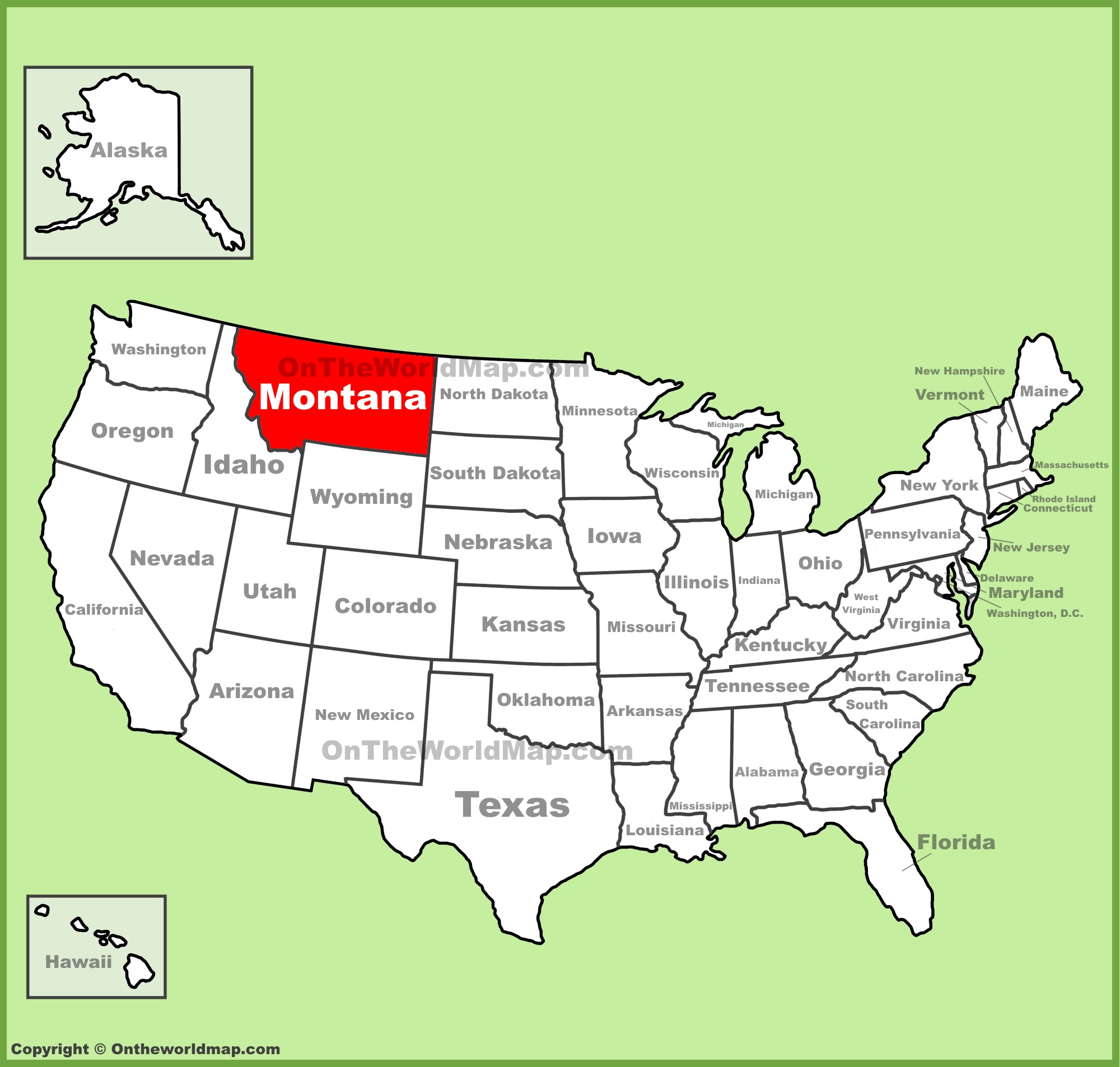
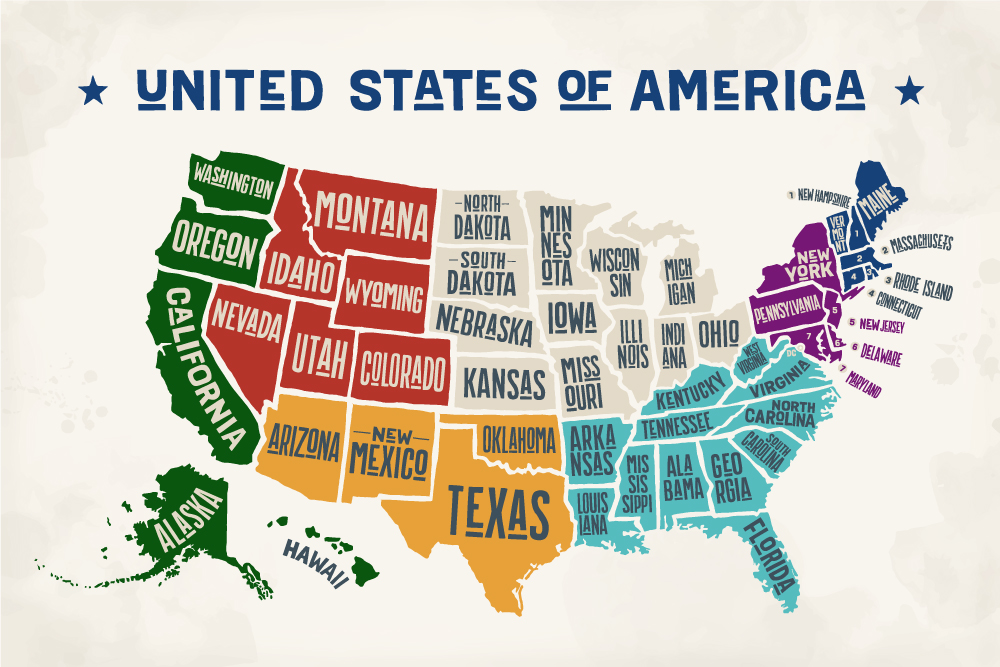
When travelers look at a map of the United States, the sheer scale of the country can be overwhelming. Among the vast expanses of the interior, Montana stands out as a titan of geography and spirit. Often referred to as “Big Sky Country,” this state is a definitive pillar of the American West. Defining exactly which region Montana belongs to requires looking beyond simple cardinal directions; it involves understanding the cultural, topographical, and historical tapestry that stitches the American West together.
The Rocky Mountain West: A Geographical Anchor
Geographically, the primary classification for Montana is the Rocky Mountain region. This designation is not merely a label but a physical reality that dictates the state’s climate, terrain, and overall character.
The Continental Divide
The western third of the state is dominated by the majestic peaks of the Rocky Mountains. This region acts as the spine of the continent. The Continental Divide winds its way through the state, creating a dramatic landscape where watersheds diverge toward either the Pacific Ocean or the Gulf of Mexico. For the traveler, this means that every pass and valley offers a distinct perspective on the sheer power of tectonic forces that shaped the North American continent.
Transitional Topography
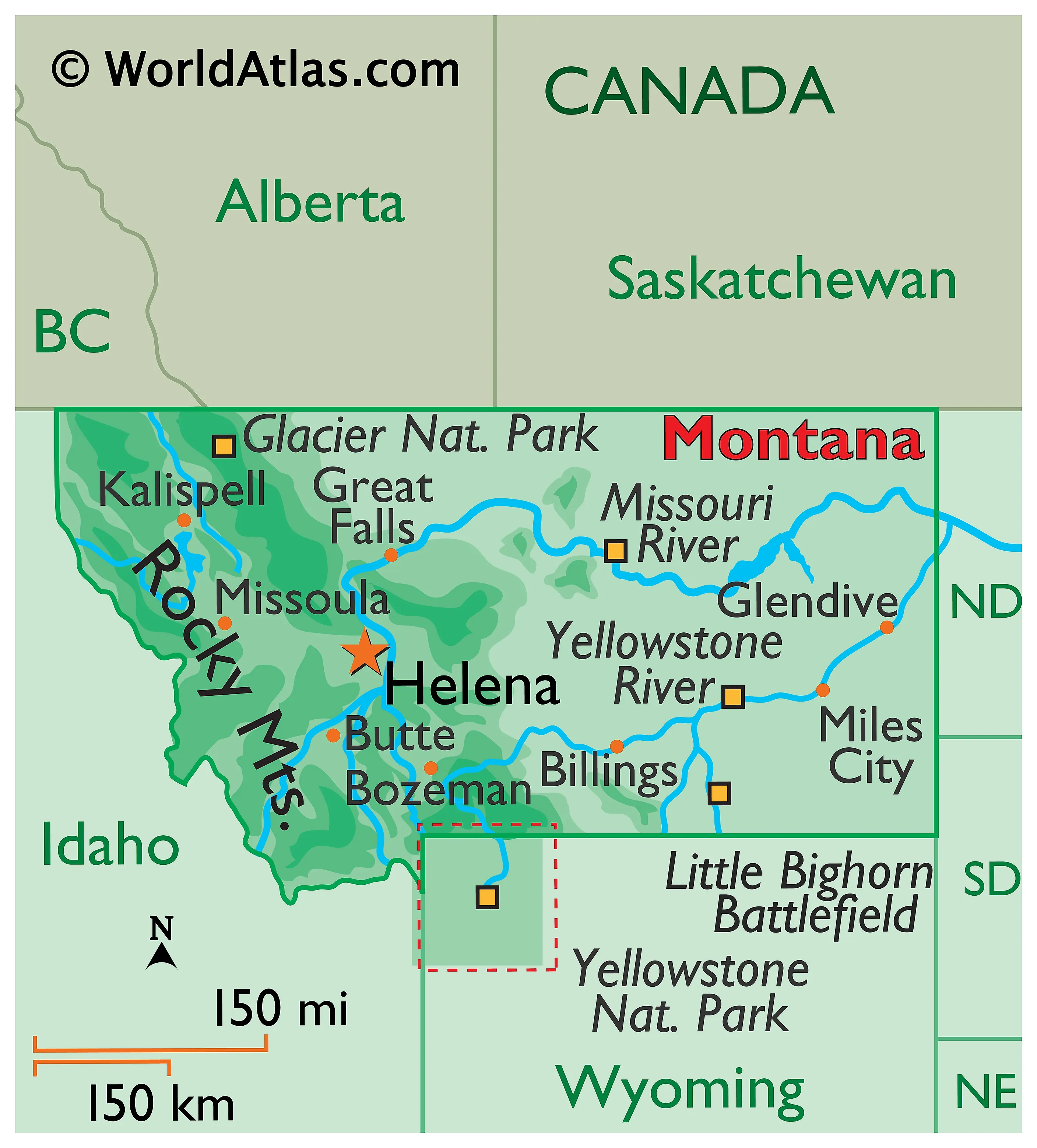
While the western portion is rugged and alpine, the eastern two-thirds of the state transition into the Great Plains. This unique positioning makes Montana a bridge between the high-altitude forests of the west and the rolling, vast grasslands of the central United States. This transition zone is what makes the state so visually diverse, shifting from the jagged cliffs of Glacier National Park to the sprawling, horizon-dominating vistas near Billings.
Cultural Identity in the American West
Beyond geology, the question of regional identity is deeply rooted in the cultural history of the American West. Montana encapsulates the frontier spirit that has defined this region since the days of westward expansion.
The Legacy of the Frontier
Montana is quintessentially Western. Its identity is forged by the heritage of mining, ranching, and the original inhabitants—the various Native American tribes whose deep connection to this land remains a vital part of the state’s contemporary culture. Cities like Helena, the state capital, and Butte provide a window into the industrial history that fueled the development of the Western United States. These urban centers serve as cultural hubs that maintain the rugged individualism and community-focused ethos typical of the region.
The Outdoor Lifestyle
What defines Montana as part of the Mountain West more than anything else is the lifestyle of its residents. It is a region where the relationship between man and nature is the primary focus of daily life. Whether it is fly fishing on the Madison River, skiing the slopes of Big Sky Resort, or hiking through the Bob Marshall Wilderness, the residents of Montana live and breathe the outdoor culture that defines the modern Mountain West.
Montana’s Place in the Northwest and Beyond
Montana also shares a strong association with the Pacific Northwest. While it is often grouped with Idaho, Washington, and Oregon, it retains a distinct character due to its inland location and lack of a coastline.
Inland Northwest Connections
Many geographers classify the western portion of Montana as the Inland Northwest. This region is linked by shared ecosystems, such as the Bitterroot Range, and a shared economic focus on forestry and tourism. Towns like Missoula and Bozeman exhibit a progressive, academic, and outdoor-centric culture that mirrors many cities in the Pacific Northwest, yet they are firmly grounded in the land-use traditions of the Mountain West.
The Northern Rockies Corridor
Montana acts as a bridge to Canada, sharing a vast international border with British Columbia, Alberta, and Saskatchewan. This connection creates the Northern Rockies corridor, an ecological and recreational powerhouse. This transnational region is home to some of the most significant wildlife corridors in the world, including the Yellowstone Ecosystem, which extends from Yellowstone National Park in the south well into the state’s northern wilderness areas.
Why This Region Matters to the Traveler
For the prospective visitor, understanding these regional dynamics is essential for planning an itinerary. Montana is not just a drive-through state; it is a destination that demands patience and exploration.
Diversity of Experience
The traveler who understands that Montana spans both the Rocky Mountains and the Great Plains will be better equipped to plan their trip. You might spend a week exploring the alpine lakes near Kalispell before traveling east to witness the fossil-rich badlands near Glendive. Each region offers a vastly different experience, yet both are deeply “Montanan.”
The Call of the Wild
Ultimately, the regional classification of Montana as part of the American West and the Rocky Mountain system is what lures millions of people to its borders. The state represents the last true vestige of the expansive, wild, and awe-inspiring landscape that captured the imagination of the pioneers. Whether you consider it the Mountain West or the Inland Northwest, Montana remains an essential component of the American narrative—a place where the sky is truly bigger, the mountains are truly steeper, and the spirit of exploration remains as alive as it was centuries ago. By understanding these regional nuances, you are better prepared to appreciate the profound beauty and complex identity of this extraordinary state.
LifeOutOfTheBox is a participant in the Amazon Services LLC Associates Program, an affiliate advertising program designed to provide a means for sites to earn advertising fees by advertising and linking to Amazon.com. Amazon, the Amazon logo, AmazonSupply, and the AmazonSupply logo are trademarks of Amazon.com, Inc. or its affiliates. As an Amazon Associate we earn affiliate commissions from qualifying purchases.