
When planning a journey through the vast, rugged landscapes of the American West, precision in scheduling is paramount. For travelers venturing into Montana, the largest state in the Mountain West region, understanding local time is a foundational element of a smooth itinerary. Specifically, for those visiting the Magic City, the question often arises: what time zone is Billings?
Billings operates on Mountain Time. Throughout the year, this region follows the standard transition between Mountain Standard Time (MST) and Mountain Daylight Time (MDT). Whether you are coordinating a flight arrival at Billings Logan International Airport or scheduling a guided tour through the historic Pictograph Cave State Park, maintaining awareness of this time zone will ensure your travel experience remains seamless and stress-free.
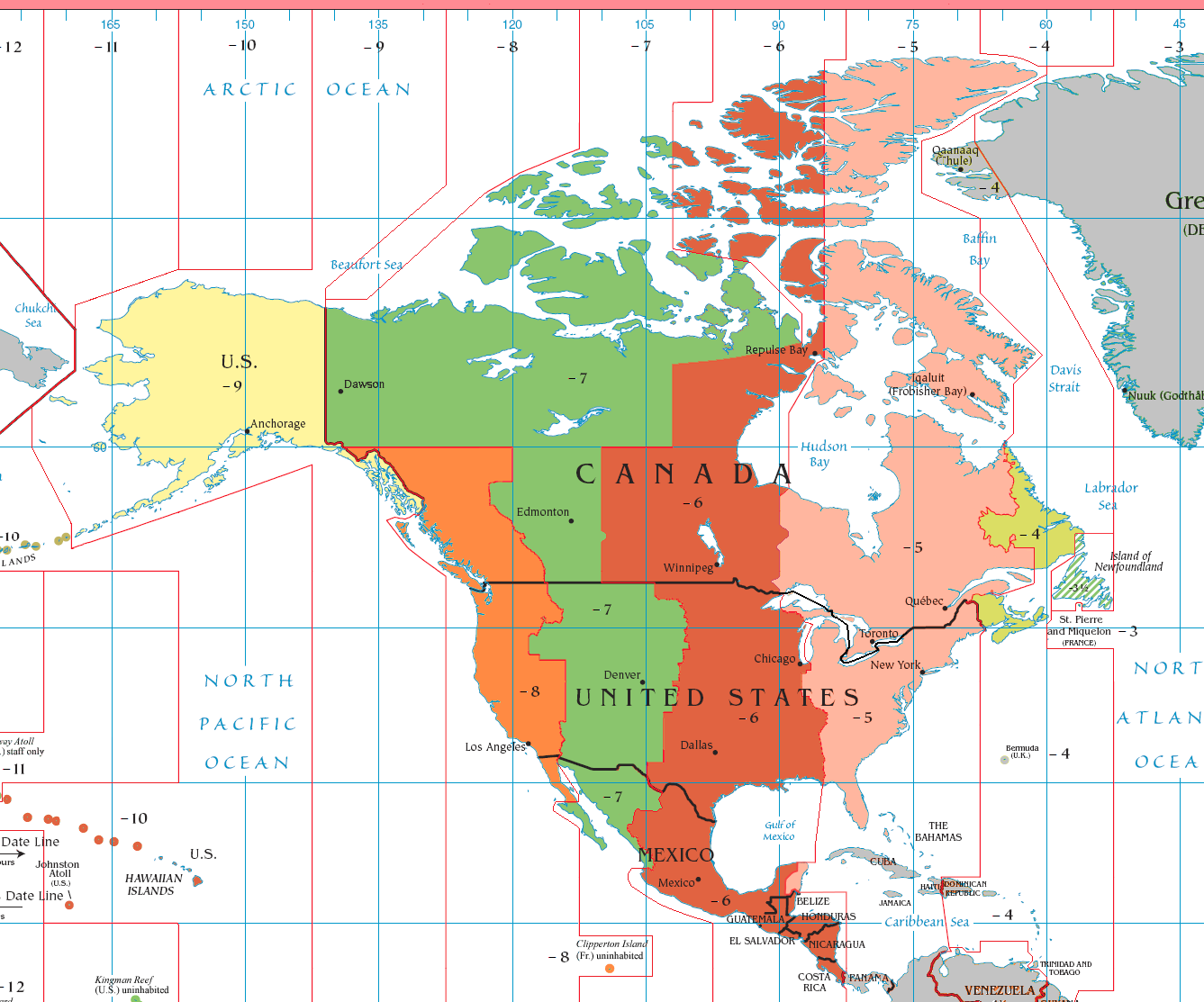
The Geography of Mountain Time in the West
The Mountain Time Zone encompasses a massive stretch of the United States, running from the Canadian border down to the Mexican border. Because of the sheer size of states like Montana, keeping track of time is essential for those who intend to cross state lines or transition between different regions.
Understanding Mountain Standard Time vs. Daylight Time
Billings adheres to the same seasonal shifts observed by most of the country. During the winter months, the region utilizes Mountain Standard Time, which is UTC-7. As spring approaches, typically in mid-March, the city moves forward one hour into Mountain Daylight Time (UTC-6). This change remains in effect until early November.
For travelers arriving from the East Coast, keep in mind that Billings is two hours behind Eastern Time. For those traveling from the West Coast, you will gain an hour when entering the Mountain Time Zone. This adjustment is particularly important for business travelers who need to coordinate conference calls or for families hoping to catch the sunset over the Rimrocks without losing track of their evening plans.
Why Time Zones Matter for Montana Travel
The state of Montana is expansive, covering over 147,000 square miles. While the entire state resides within the Mountain Time Zone, the vast distances between cities like Bozeman, Missoula, and Billings mean that travel times are often longer than anticipated. Because the sun sets later in the west during the summer months due to the geographic position within the time zone, visitors are often surprised by the lingering daylight. Utilizing the full extent of this daylight is one of the joys of visiting the Yellowstone River valley, but it requires a disciplined approach to your daily schedule.
Coordinating Your Billings Itinerary
Knowing that you are operating on Mountain Time allows you to better structure your exploration of the region’s diverse offerings. From historical sites to outdoor recreation, managing your hours effectively will yield a richer travel experience.

Planning Around Local Business and Attraction Hours
Most local attractions, such as the Western Heritage Center or the various breweries located in the Historic Old Town, operate on strict schedules dictated by local time. If you are planning an excursion to the nearby Little Bighorn Battlefield National Monument, you must account for the drive time from Billings while remaining cognizant of the closing times of the visitor center.
By being aware that you are in the Mountain Time Zone, you can easily avoid the common pitfalls of “traveler’s lag,” where visitors misjudge the amount of daylight remaining for outdoor photography or hiking. For instance, a sunset hike near Zimmerman Park can become dangerous if you underestimate the swiftness with which darkness falls in the high plains—a phenomenon that feels more immediate when your internal clock is still set to a different time zone.
Travel Logistics and Transportation
If your travel plans involve connecting through larger hubs such as Denver International Airport or Salt Lake City International Airport, the good news is that these transit points also operate on Mountain Time. This consistency simplifies the logistics of connecting flights significantly. However, always verify your itinerary against local time, especially if your travel originating point is in a different zone.
Rental car agencies and hotel check-in desks in Billings also function on this local clock. If you have a late check-in planned at a hotel like the Northern Hotel, confirming your arrival window based on local time is a standard courtesy that prevents unnecessary stress after a long day of transit.
Maximizing Your Time in the Magic City
Once you have accounted for the time zone, you are free to immerse yourself in the culture and beauty of the region. Being on Mountain Time means embracing a pace of life that is slightly slower and more deliberate, reflecting the wide-open spaces that define the American West.
Making the Most of the Long Summer Evenings
One of the most profound benefits of being in this time zone during the summer is the extended daylight. In June and July, the sun may not set until well after 9:00 PM. This provides a unique opportunity to explore landmarks like the Moss Mansion or enjoy dinner at a restaurant overlooking the city late into the evening. Planning your dinners for 7:00 PM or 8:00 PM allows you to experience the vibrant social scene in downtown Billings while the sky still holds a golden glow.
Adjusting to the Pace of the High Plains
Travelers often find that the “Mountain Time” mentality encourages a more relaxed approach to tourism. Whether you are browsing the galleries in the Downtown Billings Alliance district or taking a day trip to the Bighorn Canyon National Recreation Area, there is rarely a need to rush.
The time zone serves as a reminder to sync your internal clock with the environment around you. In Montana, this means prioritizing natural beauty, historical engagement, and genuine interaction. By aligning your schedule with the local rhythm, you ensure that you aren’t just passing through a location, but rather experiencing it fully.

Final Tips for Time Management
- Sync Your Devices: Ensure your smartphone is set to “automatic date and time” so it detects the tower signal for Mountain Time as soon as you land.
- Check Attraction Schedules: Always visit the official websites of sites like the Yellowstone Art Museum a few days before your visit to check for seasonal hour adjustments.
- Factor in “Mountain Miles”: Beyond just the clock, remember that road travel in Montana often takes longer than anticipated due to winding mountain passes and variable weather. Always add a “buffer hour” to your transit times to remain on schedule.
- Embrace the Transition: Don’t fight the time difference; use the extra hour or two to enjoy a slow morning coffee or a late sunset walk, allowing the unique temporal rhythm of the West to enhance your journey.
By understanding the mechanics of Mountain Time in Billings, you position yourself as a savvy traveler ready to explore the vast, historic, and beautiful landscapes that Montana has to offer. Whether your stay is for business or leisure, being in sync with the local clock is the first step toward a perfect trip.
LifeOutOfTheBox is a participant in the Amazon Services LLC Associates Program, an affiliate advertising program designed to provide a means for sites to earn advertising fees by advertising and linking to Amazon.com. Amazon, the Amazon logo, AmazonSupply, and the AmazonSupply logo are trademarks of Amazon.com, Inc. or its affiliates. As an Amazon Associate we earn affiliate commissions from qualifying purchases.