
For many travelers and outdoor enthusiasts, Montana represents the ultimate frontier of winter wonder. Known as “Big Sky Country,” this vast state offers a dramatic seasonal transition that transforms golden prairies and rugged mountain peaks into a pristine, snow-dusted landscape. Understanding the timing of this transformation is essential for anyone planning a trip, whether you are chasing the first powder of the season or hoping to avoid the cold entirely.
The Timing of the First Flakes: Understanding Elevation and Geography
The arrival of snow in Montana is not a singular event that happens statewide on a specific date. Instead, it is a gradual descent driven by elevation and latitude. In the high alpine environments, winter’s arrival begins well before the valleys experience their first frost.

High-Elevation Peaks and Alpine Zones
In the towering ranges like the Rocky Mountains or the Beartooth Mountains, snow can arrive as early as late August or early September. These high-altitude regions, such as the areas surrounding Glacier National Park, often see the first dustings while the valleys below are still enjoying mild, late-summer temperatures. Hikers and backpackers heading into the backcountry during this time are frequently caught off guard by sudden, localized snow squalls that can linger on north-facing slopes indefinitely.
Valley and Plateau Patterns
For the towns and cities nestled in the valleys, such as Bozeman, Missoula, or Helena, the first permanent snow typically arrives in late October or early November. It is common for these locations to experience a “teaser” snow—a light fall that melts within a day or two—often occurring around Halloween. However, the consistent, season-defining snowpack usually does not establish itself until mid-to-late November.
Seasonal Trends Across Montana’s Diverse Regions
Because Montana spans such a massive geographic area—from the arid plains of the east to the dense forests of the west—the weather patterns vary significantly. Travelers should consider which part of the state they are visiting to better predict the arrival of winter weather.
Western Montana and the Continental Divide
The western portion of the state is heavily influenced by moisture coming off the Pacific Ocean. This interaction creates a more temperate but moisture-heavy climate. Places like Whitefish and Kalispell often experience consistent snowfall throughout the winter months, beginning in early November. The proximity to the Continental Divide ensures that when a storm hits, these areas receive significant accumulation, making them prime destinations for winter sports enthusiasts.

Central and Eastern Montana
The climate in central and eastern Montana is characterized by more dramatic temperature swings. Cities such as Billings and Great Falls see snow arrive a bit later, often accompanied by the region’s famous winds. Because these areas are flatter and more exposed, snow can drift heavily, creating rapid changes in road conditions. While the snowfall totals here may be lower than in the mountain ranges to the west, the intensity of a winter storm in the plains can be quite formidable.
What to Expect for Your Travel Plans
If you are planning a trip to Montana, the timing of your visit dictates not just the clothing you should pack, but the accessibility of the state’s most iconic sites.
The Shoulder Season Challenge
October and early November represent the “shoulder season” in Montana. While this can be a beautiful time to visit—offering crisp air and thinning crowds—it is also the most unpredictable time for travelers. Roads in high-elevation areas, such as the famous Going-to-the-Sun Road in Glacier National Park, typically begin to close in mid-to-late October due to snow accumulation. If your itinerary involves visiting high-altitude attractions, it is crucial to monitor park service updates and local weather reports, as early snow can force sudden closures of mountain passes.
Preparing for Winter Travel
For those visiting specifically to embrace the snow—perhaps for skiing at Big Sky Resort or Bridger Bowl—planning for a mid-December arrival is generally your safest bet for reliable snow cover. By this time, the seasonal cycle has stabilized, and the ski resorts are typically in full operation.
Regardless of when you travel, preparedness is key:
- Tires: Always ensure your rental vehicle is equipped with winter tires or all-season treads rated for snow.
- Layering: Temperatures can plummet overnight, especially in the valleys near Yellowstone National Park, so prioritize moisture-wicking base layers and insulated outerwear.
- Flexibility: Understand that a snowstorm in Montana is a natural occurrence that commands respect. Flexibility in your travel schedule will allow you to stay safe and enjoy the magic of the landscape safely.
Celebrating the Montana Winter Experience
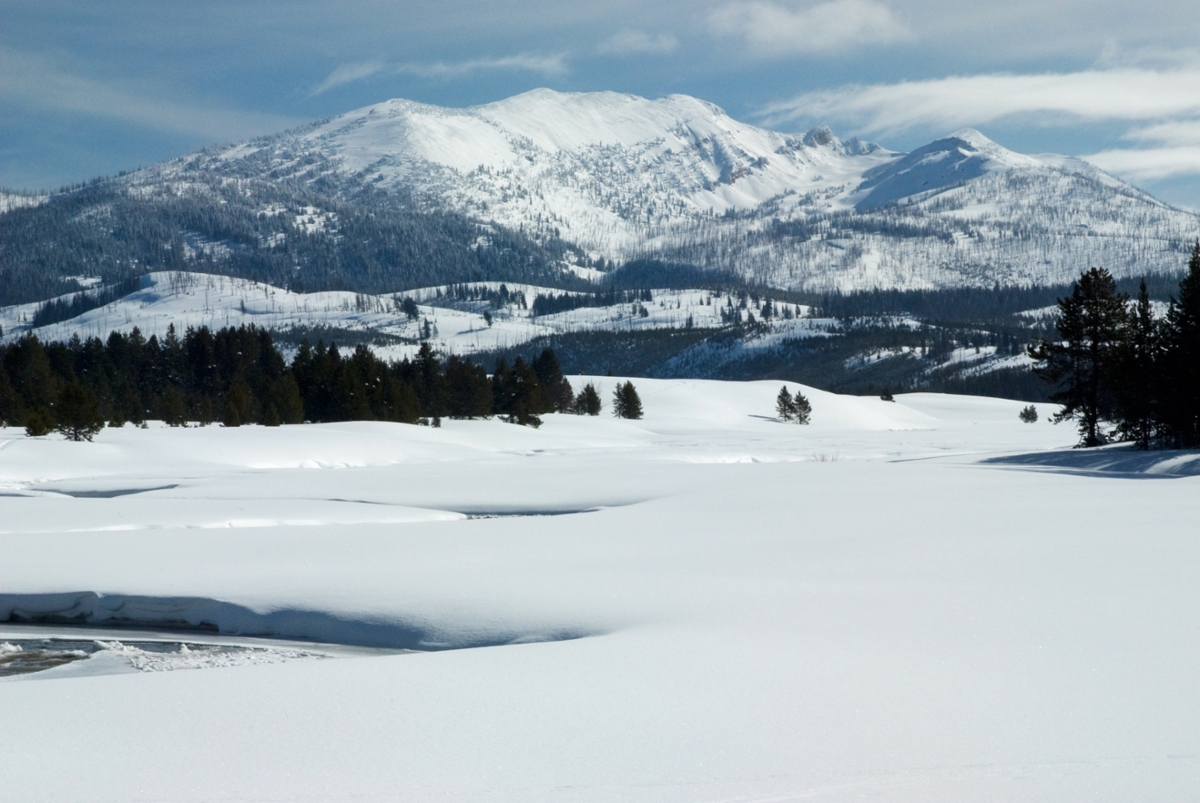
Rather than viewing the snow as an inconvenience, the locals embrace it as a vital part of the state’s character. When the first deep blanket of snow settles over Butte or Livingston, the atmosphere changes entirely. The landscape quiets, the stars seem brighter against the snow-covered horizon, and the opportunities for recreation expand.
Whether you are seeking the thrill of fresh powder on a snowboard, the serenity of a cross-country ski trail, or simply the comfort of a fireplace in a lodge near Flathead Lake, Montana offers a winter experience unlike any other. By understanding that snow begins in the high country as early as September and moves into the valleys by November, you can better time your arrival to match your preferred level of winter immersion.
As the state transitions into its colder months, it offers a reminder of the raw, untamed nature of the American West. The snow is not merely weather; it is an architect of the environment, shaping the canyons, filling the rivers, and defining the lifestyle of the people who call this magnificent state home. Plan accordingly, pack for the cold, and prepare to be captivated by the majesty of a Montana winter.
LifeOutOfTheBox is a participant in the Amazon Services LLC Associates Program, an affiliate advertising program designed to provide a means for sites to earn advertising fees by advertising and linking to Amazon.com. Amazon, the Amazon logo, AmazonSupply, and the AmazonSupply logo are trademarks of Amazon.com, Inc. or its affiliates. As an Amazon Associate we earn affiliate commissions from qualifying purchases.