
Navigating the financial landscape of the United States can be an arduous task, particularly when one’s travel plans are disrupted by unexpected administrative complications. While the title of this inquiry suggests a state-level concern regarding tax garnishment or administrative seizure, it serves as a critical reminder for those planning extended stays or business relocations to Nebraska that understanding local fiscal regulations is a vital component of successful trip planning. When we look at the intersection of lifestyle and financial security, it becomes clear that whether you are booking a luxury suite at the The Magnolia Hotel in Omaha or considering a long-term residency in Lincoln, your financial standing is the foundation of your travel freedom.
The Intersection of Financial Compliance and Travel Freedom
When you engage in travel that spans across state lines, you enter different jurisdictions that hold distinct authority over personal and commercial assets. The Nebraska Department of Revenue operates under statutory guidelines that dictate how and when they may collect delinquent taxes. For the modern traveler, this is not merely a legal detail; it is a lifestyle consideration. If you are planning an extended trip to the Great Plains, ensuring your financial house is in order is the first step toward a stress-free experience.
Understanding State Authority Over Assets
In the United States, individual states possess the sovereign authority to collect taxes owed to them. This power is exercised through legal processes, such as tax liens or administrative levies. If an individual has significant tax liabilities, the relevant state agency acts to ensure the collection of revenue as mandated by the state legislature. For a visitor or a resident, this means that “permission” in the colloquial sense is not required when the state follows established legal protocols for debt recovery.
Protecting Your Travel Budget
For those who view travel as a lifestyle—moving between Scottsbluff and other regional hubs—maintaining a clean financial record is essential. Unexpected account freezes can paralyze a trip, turning a leisure stay at a high-end resort into a logistical nightmare. It is always recommended to stay apprised of any communications from revenue departments to prevent a situation where your liquid assets, intended for travel and exploration, become inaccessible.
Logistics of Long-Term Stays in the Heartland
When you transition from a short-term visitor to someone exploring long-term accommodation in states like Nebraska, the stakes for your personal finance management rise. Whether you are staying at an apartment complex near the Henry Doorly Zoo and Aquarium or renting a villa for a season of exploration, you become a participant in the local economic system.
Financial Readiness for Relocation
Relocating, even temporarily, requires a thorough review of your tax nexus. If you spend enough time in a state, you may be considered a resident for tax purposes. This can trigger obligations that, if left unaddressed, could lead to the exact scenarios many travelers fear. To maintain your travel lifestyle, it is vital to:
- Ensure all tax filings are current in every jurisdiction where you have spent significant time.
- Monitor your mail or digital portals for notices from state revenue agencies.
- Consult with financial advisors who understand interstate travel and the implications of multi-state tax liabilities.
Selecting Accommodations Wisely
Choosing your base of operations—whether it is a hotel like the Hilton Omaha or a rental near the Strategic Air Command and Aerospace Museum—affects how you interact with the state. By staying in reputable, established accommodations, you ensure that your documentation is handled correctly, and you avoid issues that could draw unwanted attention from local authorities. A well-planned travel itinerary leaves no room for administrative ambiguity.
Mitigating Financial Risk During Your Travels
The beauty of traveling through places like Grand Island or Kearney lies in the freedom to experience new landscapes and cultures. To preserve this freedom, you must view your financial health as a key part of your travel equipment. Just as you would not embark on a hike in the Pine Ridge Escarpment without the proper gear, you should not travel through a state without being aware of its administrative reach.
Proactive Communication and Compliance
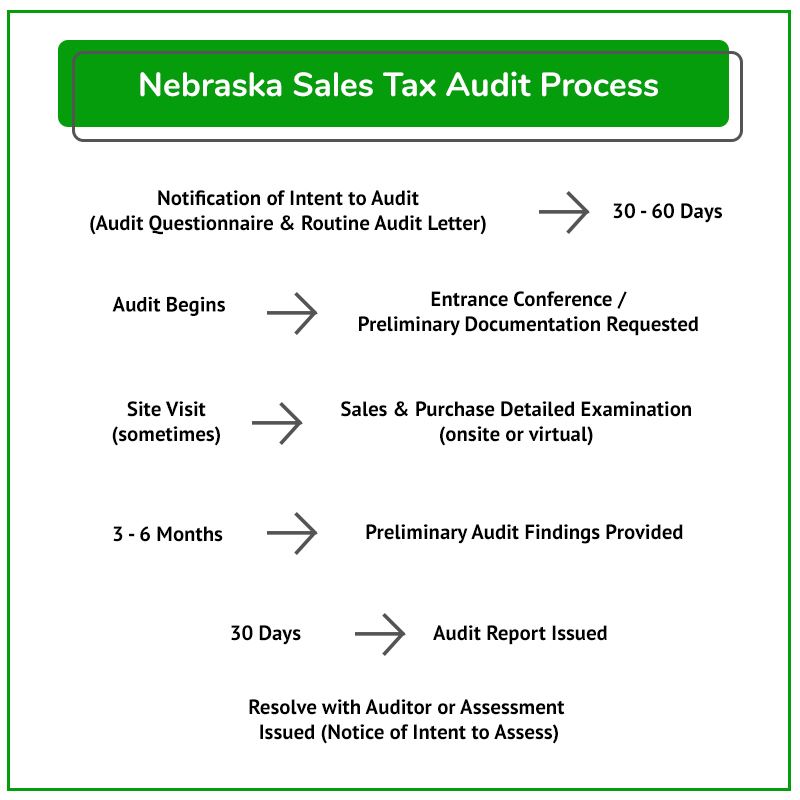
The most effective way to prevent the state from taking action on your assets is to remain in constant contact with the relevant revenue departments if a dispute arises. Most state agencies prefer resolution over seizure. If you find yourself in a situation where the Nebraska Department of Revenue is involved, it is rarely a sudden event. It is usually the culmination of ignored notices. By opening the lines of communication early, you can often negotiate payment plans that preserve your ability to continue your travel lifestyle.
Leveraging Professional Expertise
Travelers who maintain a nomadic or semi-nomadic lifestyle often benefit from professional tax services. A CPA or tax attorney who specializes in multi-state taxation can prevent the complexities of state law from interfering with your personal funds. This is especially true when traveling through diverse regions like the United States, where each state has its own unique statutes regarding the recovery of debt.
Maintaining Lifestyle Continuity
At the end of the day, your ability to enjoy the Lauritzen Gardens or attend an event at the CHI Health Center Omaha depends on your peace of mind. Financial stress is the antithesis of the travel experience. By understanding the rules, staying compliant, and managing your affairs with the same attention to detail you apply to your travel itinerary, you ensure that your money remains exactly where you want it: in your accounts, ready to fund your next adventure.
The Value of Financial Transparency
Transparency with state and federal agencies is not just a legal necessity; it is a travel hack. When your financial status is clear and compliant, you move through border crossings, hotel check-ins, and local banking interactions with ease. Whether you are visiting the historic Old Market district or exploring the rugged beauty of Fort Robinson State Park, the confidence that comes from a solid financial foundation allows you to focus on what truly matters: the experience.
Closing Perspectives for the Modern Traveler
The question of whether an agency can take money is rarely about the “permission” of the individual, but rather the statutory power granted to the entity by the people. As a traveler, your defense is simple: vigilance. Keep your records organized, prioritize your tax obligations, and remain aware of the legal environment in which you are staying. In doing so, you can enjoy the vast, beautiful, and culturally rich expanse of the Midwest without the looming shadow of unexpected administrative interference. Your journey is yours to command, provided you manage the technicalities that allow that journey to continue.
LifeOutOfTheBox is a participant in the Amazon Services LLC Associates Program, an affiliate advertising program designed to provide a means for sites to earn advertising fees by advertising and linking to Amazon.com. Amazon, the Amazon logo, AmazonSupply, and the AmazonSupply logo are trademarks of Amazon.com, Inc. or its affiliates. As an Amazon Associate we earn affiliate commissions from qualifying purchases.