
For travelers and visitors planning a trip through the heartland of the United States, understanding the local regulations surrounding nicotine products is an essential, albeit often overlooked, part of travel preparation. Whether you are driving across the vast plains of Nebraska or stopping in urban centers like Omaha or Lincoln, navigating the landscape of excise taxes can impact your budget and your experience as a tourist. As states across the country tighten regulations on alternative nicotine delivery systems, travelers often find themselves questioning how these policies influence the price of goods during their stay.
The Regulatory Landscape of Vaping in Nebraska
Travelers visiting Nebraska often expect consistency across state lines, but the reality of excise tax law is highly localized. When exploring the Midwest, it is important to distinguish between traditional combustible tobacco products, which are subject to long-standing federal and state taxes, and electronic nicotine delivery systems (ENDS), commonly referred to as vapes.
Defining Taxable Products
In many jurisdictions, the legal definition of “tobacco” has expanded to encompass any product derived from nicotine, including synthetic versions. In Nebraska, the state Department of Revenue monitors the classification of these goods closely. Historically, tobacco taxes were applied strictly to cigarettes and loose-leaf tobacco. However, as public health policies have evolved, the state has moved toward a more comprehensive tax structure that includes electronic cigarettes and vaping liquids.
Current Excise Tax Status
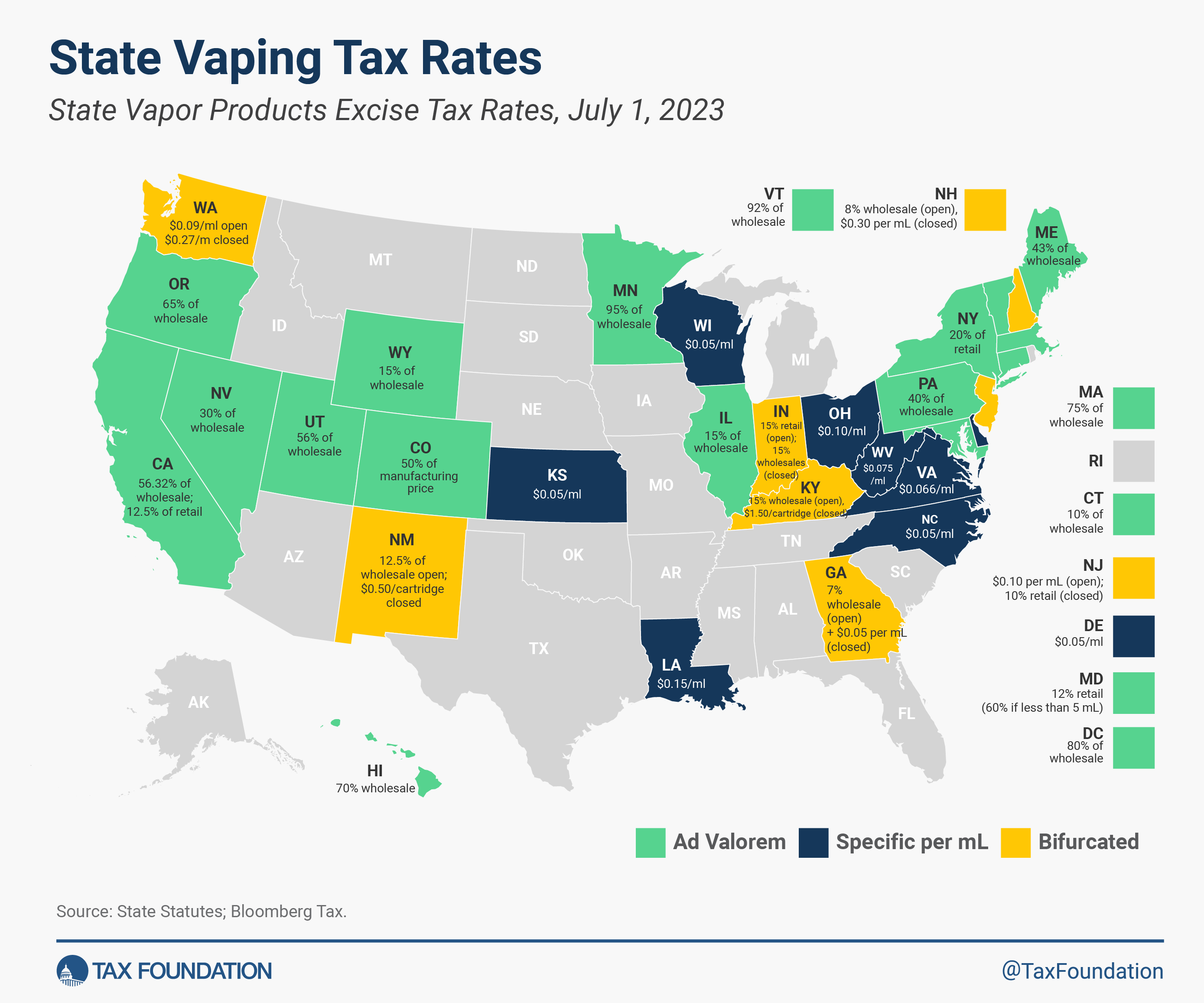
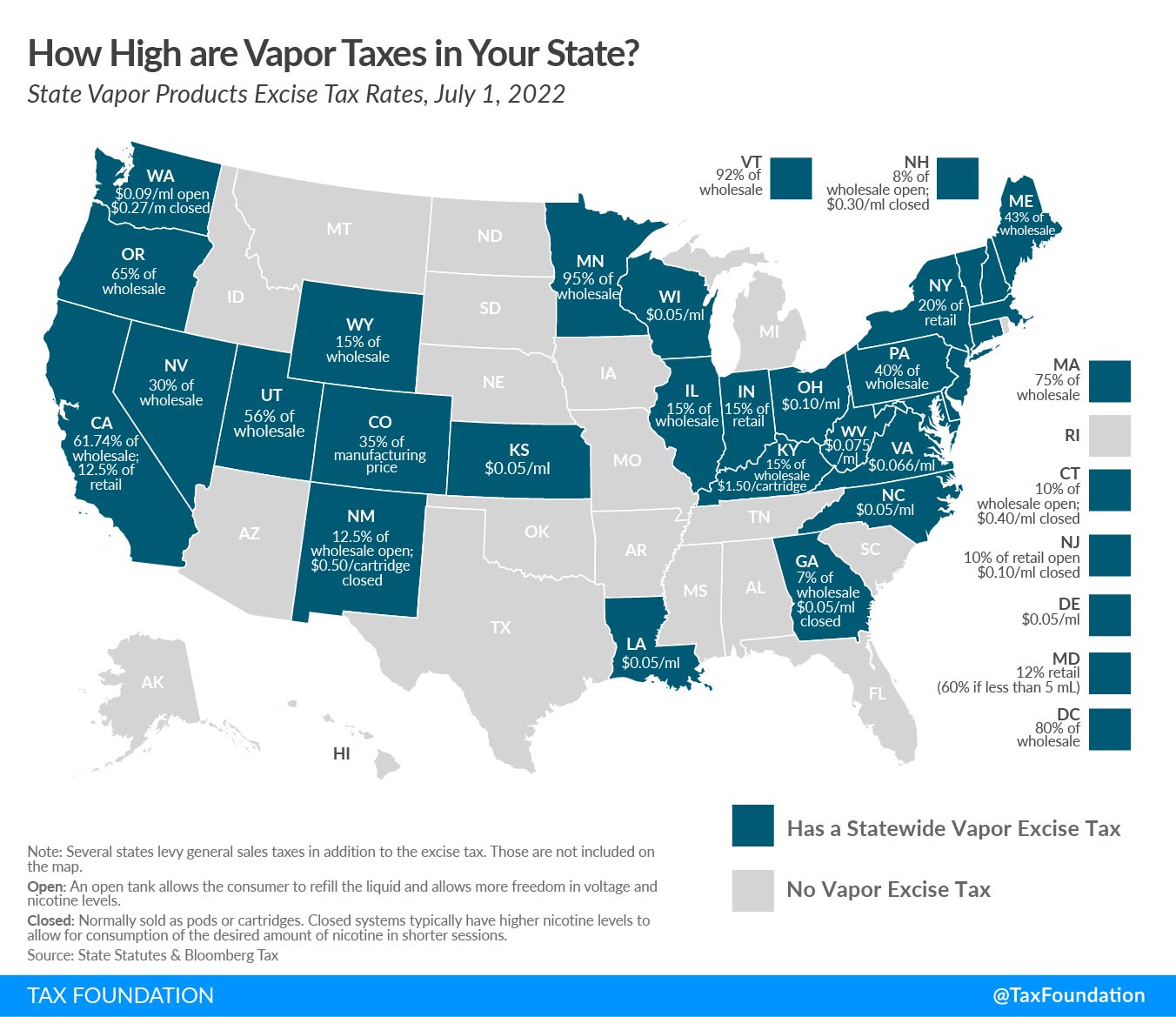
Visitors should be aware that Nebraska does indeed impose tax requirements on vaping products. This is part of a broader regulatory movement to harmonize the taxation of all nicotine-containing items. For the casual traveler, this means that the price you see on the shelf in a local convenience store in Grand Island or Kearney may be higher than in states with more lenient tax policies. These taxes are typically built into the retail price, meaning you will not see them calculated separately at the register, but they represent a tangible increase in the cost of your supplies.
Practical Considerations for Travelers
When you are mapping out your itinerary—perhaps planning to visit the Henry Doorly Zoo and Aquarium or taking a historic drive along the Oregon Trail—the last thing you want is a surprise expense or a conflict with local ordinances. Knowing how to navigate these local regulations ensures a smoother, more enjoyable vacation experience.
Budgeting for Your Supplies
For those who rely on vaping products while on the road, budgeting correctly for travel in Nebraska is key. Because taxes on vaping products are calculated based on the wholesale price or the volume of the liquid, prices can fluctuate significantly depending on the specific retailer and the brand.
- Price Variability: Retailers in larger hubs like Omaha may have higher overhead costs, which, combined with state excise taxes, can lead to premium pricing.
- Stocking Up: If you are traveling from a state with a lower tax burden, it is often more cost-effective to bring your own supplies, provided they comply with transportation safety regulations.
- Compliance: Always ensure that your products are stored securely and according to the laws of the jurisdiction you are traveling through.
Staying Informed on Local Ordinances
While state-level taxes provide the baseline, local municipalities within Nebraska may have their own additional regulations. For instance, cities like Lincoln or Bellevue may impose specific zoning laws or restrictions on where vaping is permitted. As a tourist, it is helpful to check municipal websites before your arrival to see if there are any specific “clean air” ordinances that prohibit vaping in public spaces, parks, or near tourist attractions.
Navigating Public Spaces and Cultural Norms
Beyond the financial aspect of the tobacco tax, the cultural etiquette surrounding vaping is an essential component of responsible tourism. Nebraska values its wide-open spaces, historic landmarks, and family-friendly atmosphere. Respecting local norms regarding vaping in public spaces can help maintain a positive experience for both visitors and residents.
Public Health and Respectful Tourism
Travelers often find that the hospitality of the United States is rooted in shared public spaces. Whether you are visiting the Strategic Air Command and Aerospace Museum or wandering through the Old Market district, it is prudent to observe the behavior of locals. If an establishment or a public square does not have designated smoking or vaping areas, it is generally best to assume that vaping is discouraged or prohibited.
Avoiding Common Pitfalls
- Check Signage: Most tourist-heavy areas in Nebraska are clearly marked with signs indicating restricted areas. Ignoring these signs can lead to fines, which is a quick way to sour your vacation.
- Be Mindful of Youth: Many tourist attractions, including parks and museums, have strict policies to protect the health of children. Vaping in the vicinity of these areas is often viewed negatively by the local community.
- Disposal: Responsible disposal of vaping pods and packaging is essential. Leave no trace, as the natural beauty of the Platte River and other local landmarks relies on the care of visitors.
Economic Impacts on the Local Tourism Industry
Tax policies, including those on vaping and tobacco, have a trickle-down effect on the local tourism economy. When Nebraska adjusts its excise taxes, it often aims to balance public health objectives with the need to maintain a competitive environment for local businesses and retail establishments.
Supporting Local Businesses
When you purchase your travel supplies within Nebraska, you are contributing to the local tax base. While the tax on vapes might feel like a personal expense, these funds often support local infrastructure, parks, and tourism marketing campaigns that make the state an appealing destination for future travelers. Choosing to purchase from local independent retailers rather than large national chains can also help ensure that your tourism dollars stay within the community you are visiting.
Long-Term Trends in Excise Tax
The trend across the United States suggests that taxes on electronic nicotine products will likely continue to rise or remain stable at a high level. Travelers should anticipate that these costs will be a permanent fixture of their travel budget. By planning ahead and understanding the landscape, you can avoid unnecessary friction during your trip.
Final Thoughts for the Nebraska Traveler
Ultimately, the question of whether Nebraska charges tobacco tax on vape is a clear “yes,” integrated into a broader framework of state-level oversight. For the average visitor, this means incorporating a slightly higher cost into the travel budget and remaining cognizant of the evolving rules regarding where these products can be used.
Whether you are exploring the quiet beauty of Scotts Bluff National Monument or enjoying the vibrant nightlife in Omaha, a well-informed traveler is always the best guest. By prioritizing respect for local laws, the environment, and the community, you ensure that your journey through the plains is as smooth and pleasant as possible. Remember that as laws continue to shift, staying updated via official state resources before your trip is the most reliable way to stay ahead of any regulatory changes that might impact your stay. Safe travels, and enjoy the diverse culture and hospitality that Nebraska has to offer.
LifeOutOfTheBox is a participant in the Amazon Services LLC Associates Program, an affiliate advertising program designed to provide a means for sites to earn advertising fees by advertising and linking to Amazon.com. Amazon, the Amazon logo, AmazonSupply, and the AmazonSupply logo are trademarks of Amazon.com, Inc. or its affiliates. As an Amazon Associate we earn affiliate commissions from qualifying purchases.