
Traversing the heart of the American Midwest down to the vast plains of the South is a quintessential road trip experience. When considering the distance between Nebraska and Texas, travelers often underestimate the sheer scale of the journey. Spanning hundreds of miles of diverse geography—from the rolling hills of the Great Plains to the arid landscapes of the Southern plains—this trip is as much about the scenic route as it is about the destination. Understanding the distance, travel time, and the best ways to bridge these two iconic states is essential for any adventurer planning a cross-country excursion.

Measuring the Miles: Distance and Travel Dynamics
The distance between these two states is substantial, but it varies significantly depending on your specific point of departure and final destination. Since both states are geographically enormous, a trip from Omaha to Dallas offers a much different logistical profile than traveling from the Nebraska Panhandle to the far reaches of the Rio Grande Valley.
Direct Routes and Driving Time
If you are planning to drive, you are likely looking at a trek that ranges anywhere from 500 to over 1,000 miles. For instance, a direct drive from the northern border of Nebraska near Valentine down to the northern Texas border near Amarillo generally takes between 9 and 11 hours of pure driving time, assuming clear weather and steady traffic. However, most travelers connecting major hubs like Lincoln to Austin or Houston should budget at least 12 to 16 hours of road time.
Navigating the Geography
The journey is characterized by a transition through the central United States corridor. Drivers typically pass through Kansas and Oklahoma to complete the journey. This corridor is relatively flat and expansive, which allows for consistent speed, yet it demands vigilance due to the high volume of commercial traffic and the potential for rapidly changing weather conditions, especially during the spring and winter months.
Optimal Routes for Road Trippers
Choosing the right path depends on your priorities: do you want to reach your destination as fast as possible, or are you looking to experience the hidden gems of the American interior?
The Interstate Advantage
For those prioritizing speed, the network of interstates provides the most efficient route. Taking Interstate 80 to connect with Interstate 35 remains the gold standard for travelers heading toward the heart of Texas. This route slices through the center of the country, keeping you near major cities where services, fuel, and lodging are readily available.

The Scenic Corridor
If you prefer a slower pace, moving off the interstate onto state highways allows for a deeper appreciation of the regional culture. Exploring the backroads of the Great Plains reveals small, historic towns and unique geological formations that are often missed by those staying strictly on the highway. Taking time to stop in Wichita or Oklahoma City provides a perfect midpoint break that breaks up the long, horizon-stretching monotony of the drive.
Planning Your Journey: Essential Travel Tips
Traveling between Nebraska and Texas is not merely about calculating mileage; it is about preparing for the vastness of the American landscape. Because the distance is significant, proactive planning is the difference between an exhausting chore and a memorable adventure.
Preparing for Long-Distance Driving
- Maintenance Check: Before leaving, ensure your vehicle is ready for a long haul. Check your tires, fluid levels, and cooling systems, as the heat in Texas and the wide-open stretches of Nebraska put significant strain on engines.
- Weather Awareness: The Midwest and the South are prone to extreme weather shifts. Always check the forecast for the entirety of your route, as a clear day in the north can quickly turn into a thunderstorm or a high-wind event as you approach the southern borders.
- Fuel Strategy: While fuel is abundant along major arteries, be mindful of your gauge when taking secondary roads. In more rural stretches, gas stations can be spaced quite far apart.
Maximizing the Experience
The distance between these two states is an opportunity to witness the shifting identity of America. You will see the transformation from the verdant, agricultural landscapes of Nebraska to the rugged, red-earth terrain of Oklahoma and finally into the diverse ecosystems of Texas.
Consider breaking the drive into segments based on landmarks or interests. For example, if you are a history buff, plan your stops around historical markers or local museums found in towns along the way. If you are traveling with family, look for outdoor recreation areas in Colorado or Missouri if you decide to take a slightly wider detour.
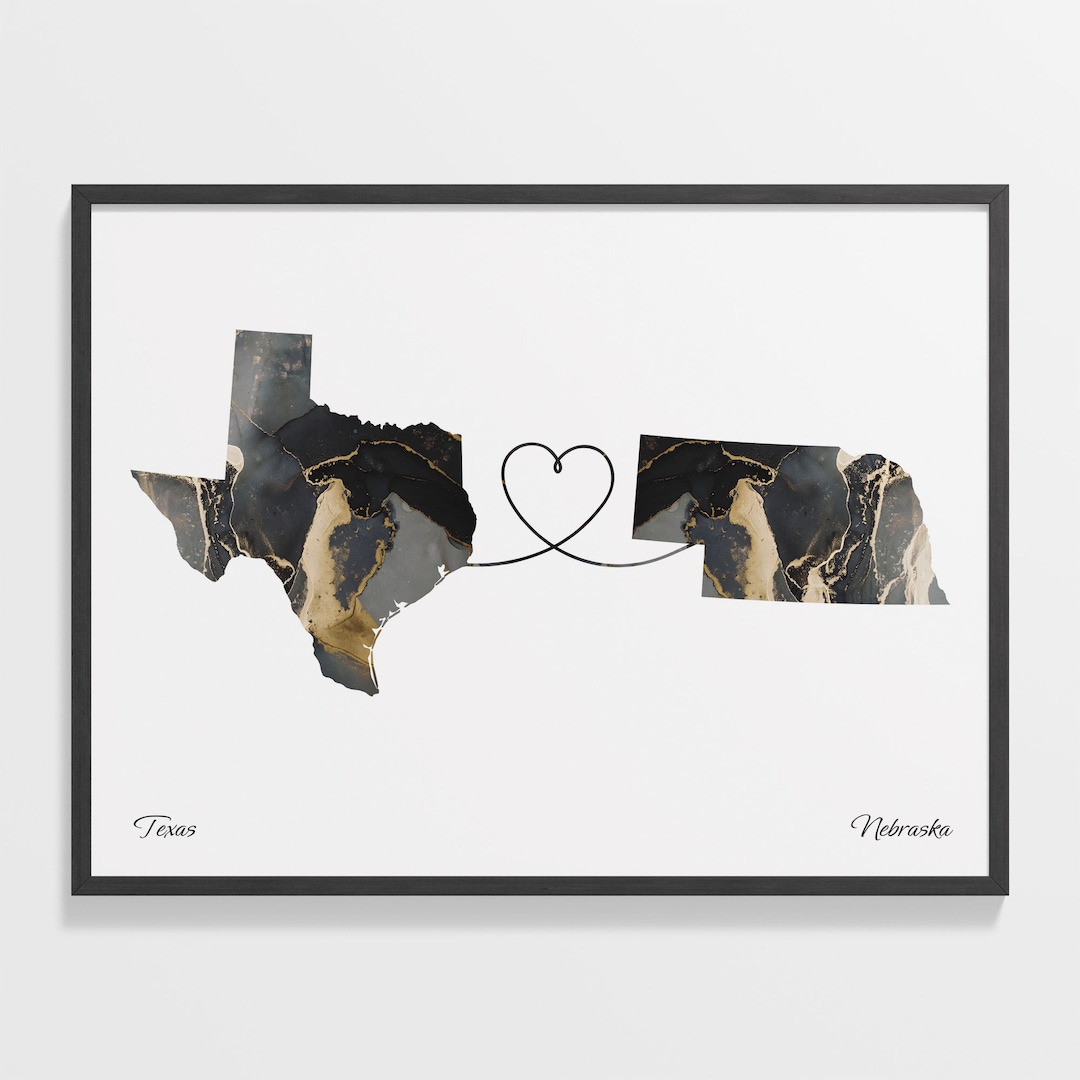
Connecting Regional Cultures
Beyond the maps and mileage, the distance between Nebraska and Texas represents a fascinating transition in cultural lifestyle. Nebraska is deeply rooted in the agricultural traditions of the Cornhusker State, known for its friendly demeanor and expansive natural beauty like the Sandhills.
Conversely, arriving in Texas introduces you to a culture defined by its massive scale, distinct regional identities—from the Hill Country to the coast—and a culinary scene that is world-renowned. By driving instead of flying, you are afforded the unique experience of feeling this transition gradually occur. You witness the change in the architecture, the shifting accents, and the evolution of the landscape, making the distance feel less like a hurdle and more like a bridge between two distinct ways of life.
Whether you are traveling for business, visiting family, or simply exploring the vast beauty of the central United States, remember that the distance is a component of the adventure. By planning accordingly, respecting the scale of the route, and embracing the stops along the way, the journey from Nebraska to Texas becomes a rewarding exploration of the heartland.
LifeOutOfTheBox is a participant in the Amazon Services LLC Associates Program, an affiliate advertising program designed to provide a means for sites to earn advertising fees by advertising and linking to Amazon.com. Amazon, the Amazon logo, AmazonSupply, and the AmazonSupply logo are trademarks of Amazon.com, Inc. or its affiliates. As an Amazon Associate we earn affiliate commissions from qualifying purchases.