
For those in the executive nursing leadership sphere, Nebraska represents a unique intersection of high-quality healthcare systems, a manageable cost of living, and a robust demand for seasoned clinical administrators. As the Chief Nursing Officer (CNO) serves as the strategic bridge between bedside nursing care and hospital board-level operations, the compensation packages in the Cornhusker State are reflective of both the regional economic environment and the national shortage of nursing leadership talent. Understanding what a CNO can expect to earn requires a deep dive into the state’s healthcare landscape, facility types, and the nuances of the regional market.
The Financial Landscape for Healthcare Executives in Nebraska
The role of a CNO is one of the most demanding positions in any hospital. They are responsible for nursing practice standards, patient care quality, financial stewardship of nursing departments, and retention strategies. In Nebraska, the financial compensation for this role is influenced heavily by the size of the health system and its location—specifically whether the position is based in Omaha or Lincoln, versus more rural, critical-access facilities.
Base Salary Trends
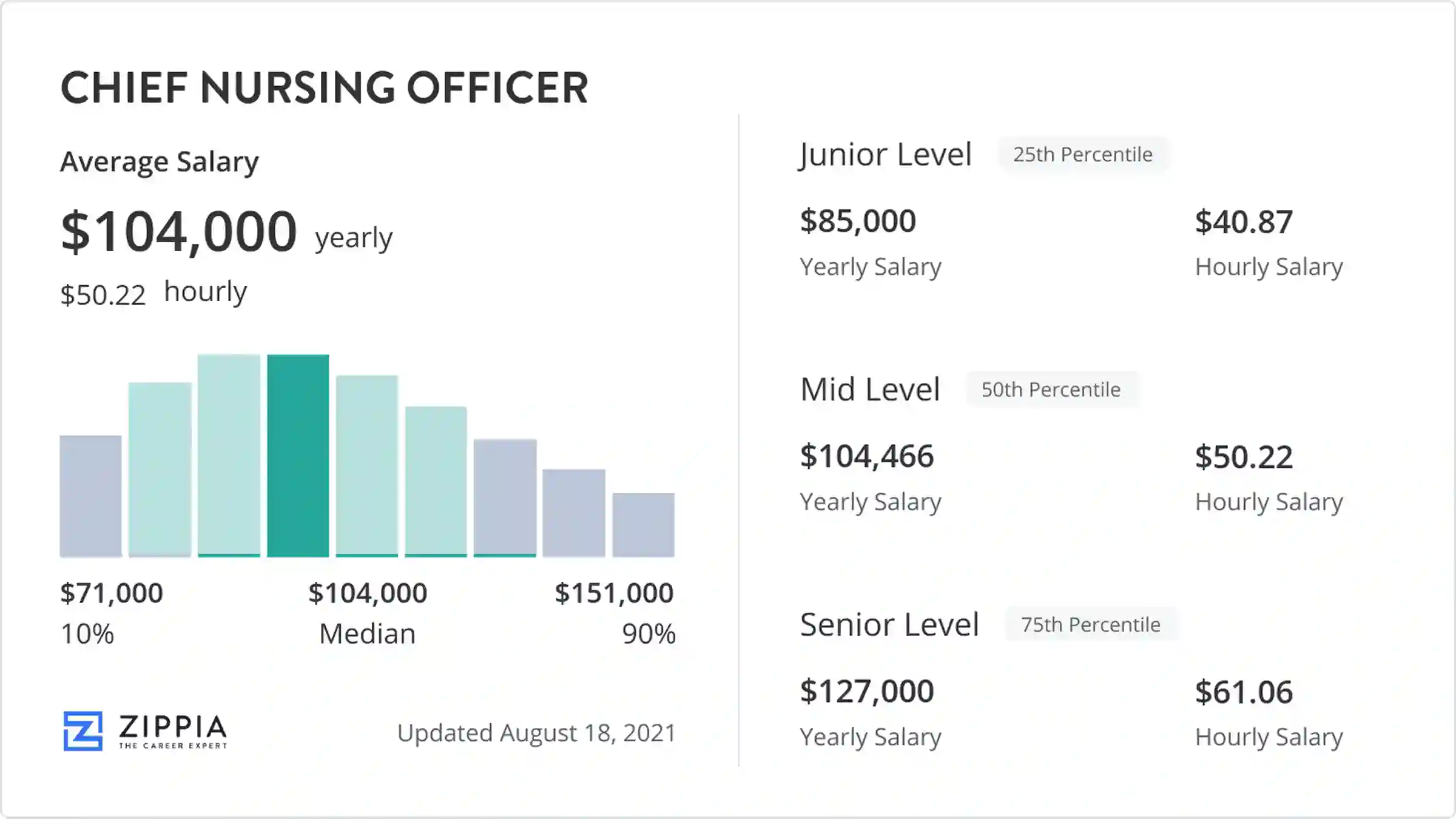
On average, a CNO in Nebraska can expect a base salary ranging from $160,000 to over $260,000 annually. This wide variance is not arbitrary; it is tied to the complexity of the organization. A nurse leader managing a small community hospital in a rural county will naturally see a different compensation structure than a CNO overseeing a major academic medical center in a metropolitan hub.
The Total Compensation Package
While the base salary is the foundation, total compensation for executive nursing roles in Nebraska often includes significant “at-risk” components. These include:
- Performance Bonuses: Annual incentives tied to patient satisfaction scores, readmission rates, and nursing turnover metrics.
- Sign-on and Retention Bonuses: As nursing leadership becomes increasingly difficult to source, hospitals are offering increasingly competitive signing incentives.
- Retirement Contributions and Equity: For private health systems, executive-level retirement matching and deferred compensation plans are common.
Factors Influencing Executive Nursing Pay
Geography is perhaps the most significant factor in determining the exact salary of a CNO. While Nebraska as a state offers a lower cost of living compared to coastal states, the “premium” paid for executive talent in its primary urban centers remains competitive to attract experts from across the United States.
Urban vs. Rural Compensation
In cities like Omaha, which houses major health networks, hospitals compete directly with high-level corporate benchmarks. The volume of patients, the complexity of surgical units, and the sheer scale of the nursing staff require a highly specialized CNO, which drives up the market rate.
Conversely, in rural areas, the role of the CNO often expands to include more operational oversight outside of nursing, such as facilities management or HR. While the salary might be lower in absolute dollar terms than in the cities, these roles often come with increased autonomy and leadership breadth, which many experienced executives value for their career development.

Facility Classification
The classification of the medical center significantly dictates the pay scale:
- Academic Medical Centers: These institutions, often affiliated with research universities, usually sit at the top of the pay scale due to the complexity of patient care and the need for high-level research oversight.
- Community Hospitals: These facilities offer stable pay and are excellent for leaders looking to make a deep impact on the local community.
- Critical Access Hospitals (CAH): These are vital to the Nebraska healthcare infrastructure. While the salary might be modest, the benefits packages are often designed to reward long-term commitment and stability in the region.
The Impact of the Current Healthcare Market
The post-pandemic landscape has forced health systems across the United States to re-evaluate their executive compensation. In Nebraska, the CNO is no longer just a figurehead for nursing; they are a critical crisis manager.
The Demand for Crisis Leadership
Nursing retention is the single most significant financial challenge hospitals face today. A CNO who can implement effective staffing models that reduce burnout and improve recruitment is effectively saving the hospital millions in agency labor costs. Consequently, boards are increasingly willing to pay a premium for executives who can demonstrate a quantifiable track record in staff retention and workforce optimization.
Professional Credentials and Experience
Beyond the standard Master of Science in Nursing (MSN) or Doctor of Nursing Practice (DNP), the market value of a CNO is augmented by specialized certifications such as the Nurse Executive-Board Certified (NE-BC). In Nebraska, candidates who bring a blend of clinical expertise and sophisticated financial acumen—specifically experience with value-based purchasing and hospital billing cycles—are the most sought-after and, by extension, the most highly compensated.
Career Trajectory and Economic Outlook
For those looking to ascend to the CNO level in Nebraska, the outlook is promising. The state’s healthcare sector continues to invest in technology, patient-centered care models, and facility expansion.
Strategic Career Positioning
To maximize earning potential as a CNO in the region, aspiring leaders should consider:
- Leadership Breadth: Seek opportunities to manage multidisciplinary teams, not just nursing departments.
- Financial Literacy: Gain a deep understanding of hospital accounting. A CNO who can articulate how nursing decisions impact the bottom line is viewed as a strategic business partner rather than just a department head.
- Local Networking: Building relationships with healthcare recruiters and executives within the Midwest network is essential. Much of the high-level executive movement occurs through professional associations and regional health industry groups.

A Sustainable Career Choice
Nebraska provides a stable and professional environment for nursing executives. With a moderate cost of living and a high standard of medical practice, the compensation for CNOs allows for a high quality of life. As healthcare delivery models continue to shift toward outpatient care and digitized health management, the CNO role will only become more vital, ensuring that compensation for these experts remains highly attractive for the foreseeable future.
Ultimately, while the exact dollar amount for a CNO in Nebraska will always fluctuate based on the specific hospital network and the candidate’s unique experience, the role remains a highly rewarding and lucrative career path. By focusing on organizational impact, leadership development, and strategic financial management, nurse leaders can secure positions that provide both significant financial rewards and the professional satisfaction of guiding the state’s healthcare future.
LifeOutOfTheBox is a participant in the Amazon Services LLC Associates Program, an affiliate advertising program designed to provide a means for sites to earn advertising fees by advertising and linking to Amazon.com. Amazon, the Amazon logo, AmazonSupply, and the AmazonSupply logo are trademarks of Amazon.com, Inc. or its affiliates. As an Amazon Associate we earn affiliate commissions from qualifying purchases.