
Traveling through the Great Plains offers a unique sense of serenity, with endless horizons and rolling landscapes that define the American heartland. For those driving across Nebraska, the state provides a quintessential road trip experience, from the rugged beauty of the Pine Ridge Escarpment to the vibrant urban culture of Omaha. However, for many travelers, the logistics of navigating state laws—specifically regarding police interactions and identification requirements—can cause uncertainty. Understanding the legal climate, particularly the distinction between “stop and identify” laws and standard law enforcement procedures, is essential for a stress-free journey through the Cornhusker State.

Understanding Stop and Identify Statutes
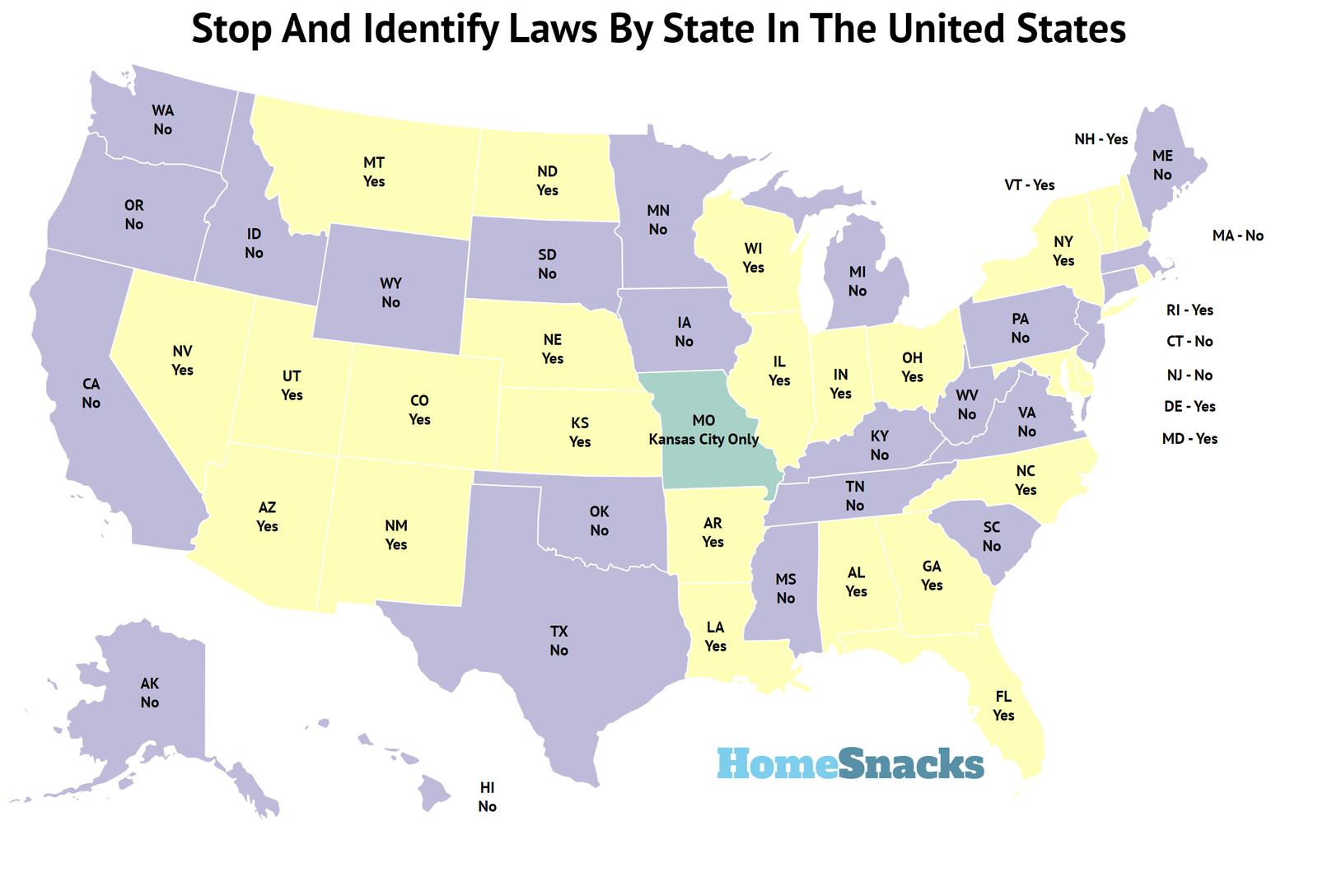
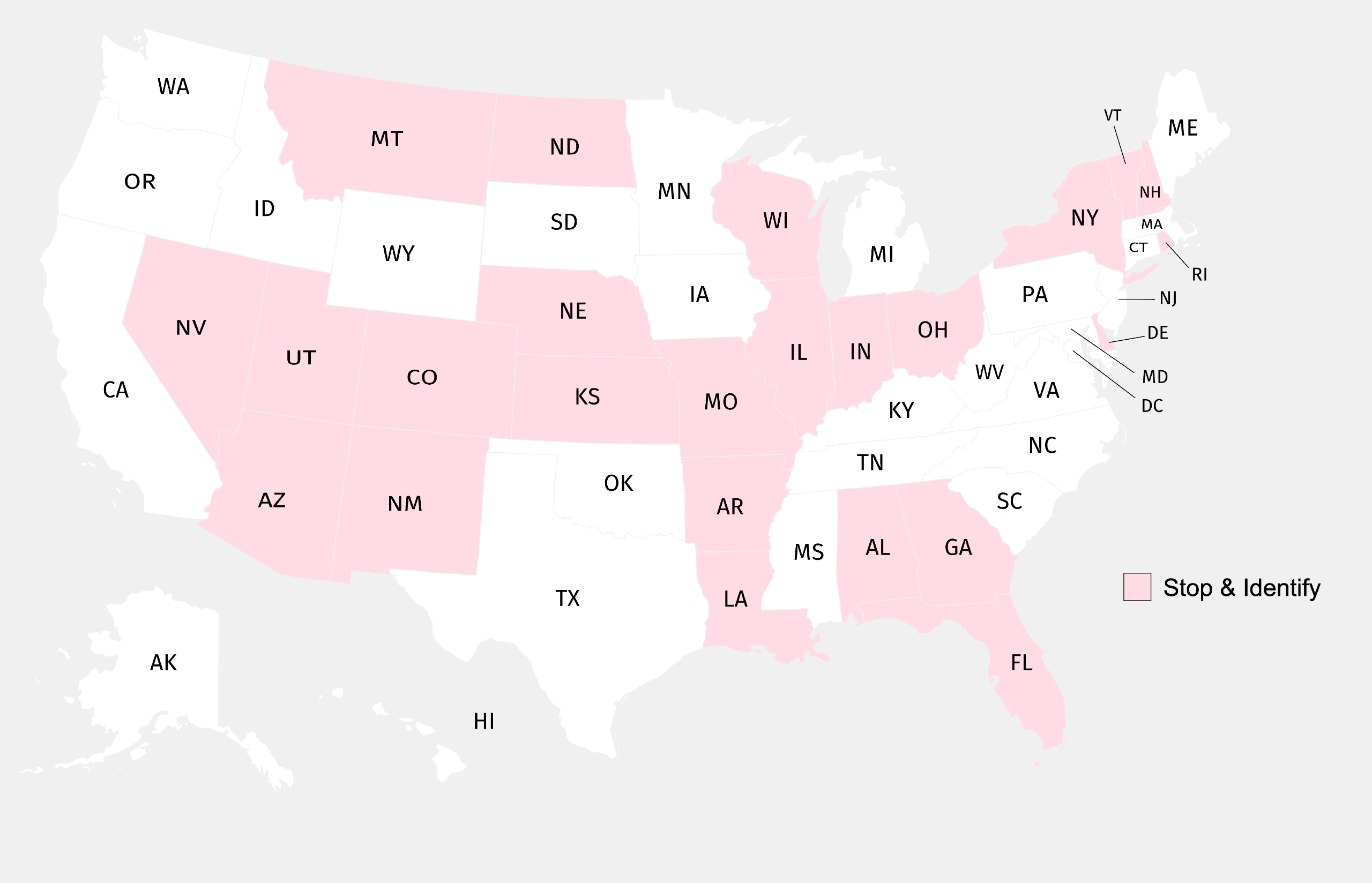
In the context of American travel, the term “Stop and Identify” state refers to a specific legislative framework. In these jurisdictions, individuals are legally required to provide their name and address to a law enforcement officer if the officer has a reasonable suspicion that the person has committed, is committing, or is about to commit a crime.
The Legal Landscape in Nebraska
Nebraska does not have a broad, universal “Stop and Identify” statute that applies to all public encounters. Under Nebraska state law, the standard for police interaction remains anchored in the Fourth Amendment of the United States Constitution. Officers cannot simply demand identification from a pedestrian or a driver without a valid legal justification, such as a traffic violation or reasonable suspicion of criminal activity.
Reasonable Suspicion vs. Probable Cause
It is vital for travelers visiting Lincoln or the rural expanses of the state to distinguish between different levels of police interaction:
- Consensual Encounter: An officer may approach an individual to ask questions. In this scenario, you are generally not obligated to answer or provide identification, provided the officer is not detaining you.
- Investigative Detention: If an officer has “reasonable suspicion”—a standard higher than a hunch but lower than probable cause—that you are involved in illegal activity, they may briefly detain you. Even in these instances, Nebraska law does not mandate that you present a government-issued photo ID unless you are operating a motor vehicle.
- Arrest: Once a person is placed under formal arrest, the requirement to identify oneself becomes absolute.
Driving Through the Cornhusker State
For those traversing Interstate 80, the rules of the road are distinct from those governing general public spaces. When you are behind the wheel of a vehicle, you are subject to the Nebraska Department of Motor Vehicles regulations, which are significantly more stringent than the laws governing pedestrians.
Traffic Stops and Identification Requirements
If you are pulled over for a traffic infraction, such as speeding near Grand Island or Kearney, the law is clear. In every state in the U.S., including Nebraska, a licensed driver is required to produce a valid driver’s license, vehicle registration, and proof of insurance upon the request of a law enforcement officer. Failure to produce these documents during a lawful traffic stop can lead to citations, fines, or further detention.
Rights of Passengers
A common point of contention occurs when passengers in a vehicle are asked for identification. Generally, unless the passenger is suspected of a crime or the officer has independent reasonable suspicion, passengers are not legally required to provide identification during a standard traffic stop. However, maintaining a respectful and calm demeanor remains the most effective way to navigate these brief interactions while touring through destinations like Scotts Bluff National Monument.
Practical Tips for Stress-Free Travel
When planning a trip across the Midwest, preparation is the best way to ensure your journey remains focused on the sights rather than the legalities of the road. Nebraska is a welcoming state, and law enforcement interactions are typically limited to routine traffic safety enforcement.
Document Readiness
Always ensure your essential documents are organized and easily accessible. Before leaving cities like Bellevue or Fremont, double-check that your license is current and that your vehicle registration is updated. If you are renting a car, keep the rental agreement in the glove compartment. Having these items ready minimizes the time spent during any potential traffic stop.
Understanding Your Rights
While it is not necessary to be an expert in constitutional law, knowing your basic rights is a hallmark of an informed traveler.
- Be Polite: Regardless of the situation, maintaining a calm and respectful tone de-escalates potential friction.
- Clarify Status: You have the right to ask, “Am I being detained, or am I free to go?” This simple question helps establish whether the encounter is consensual or an investigative detention.
- Exercise the Right to Silence: If you are detained, you have the right to remain silent and, if arrested, the right to request legal counsel.
Enjoying the Local Culture
Nebraska’s charm lies in its wide-open spaces and the friendliness of its residents. Whether you are exploring the historic Old Market district in Omaha or taking in the natural majesty of Niobrara State Park, the vast majority of your interactions will be with business owners, fellow travelers, and locals who pride themselves on Midwestern hospitality. By adhering to traffic laws and staying informed about the distinction between driver requirements and pedestrian rights, you can traverse the state with confidence.
Safety and Law Enforcement in Tourist Hubs
In heavily populated tourist areas, law enforcement presence is designed primarily for public safety and traffic management. Whether you are visiting the Henry Doorly Zoo and Aquarium or attending a collegiate event in Lincoln, officers are there to ensure the smooth operation of public spaces.
The Importance of Compliance
While you have rights, it is never advisable to resist or interfere with an officer performing their duties. The “Stop and Identify” nuance in Nebraska is largely academic for the average visitor; if you are not breaking the law and you provide your license when driving, you will likely never face a situation where you are forced to justify your presence.
Focusing on the Journey
The beauty of the Platte River valley and the historical significance of the Oregon Trail segments that cut through the state serve as reminders of why people travel to this region. Keep your focus on the landmarks and the experiences, such as visiting the Strategic Air Command & Aerospace Museum or enjoying a quiet evening in the small towns scattered along the plains.
By respecting the laws of the road and understanding that Nebraska is a state that values order and safety, you contribute to the positive atmosphere of the region. Travel is about exploration and discovery, and having a clear understanding of your legal standing allows you to move freely and enjoy everything this diverse landscape has to offer, from the bustling urban center of Papillion to the quiet corners of Nebraska National Forest. Pack your bags, buckle your seatbelt, and enjoy the open road with the peace of mind that comes from being prepared and informed.
LifeOutOfTheBox is a participant in the Amazon Services LLC Associates Program, an affiliate advertising program designed to provide a means for sites to earn advertising fees by advertising and linking to Amazon.com. Amazon, the Amazon logo, AmazonSupply, and the AmazonSupply logo are trademarks of Amazon.com, Inc. or its affiliates. As an Amazon Associate we earn affiliate commissions from qualifying purchases.