
For those looking to explore the natural beauty and agricultural heritage of the American Midwest, understanding the environmental framework of the Great Plains is essential. Whether you are planning a visit to the sprawling landscapes of Nebraska or interested in the botanical diversity that shapes this region, the concept of “growing zones” provides a fascinating lens through which to view the state. These zones, defined by the United States Department of Agriculture, categorize areas based on their average annual minimum winter temperatures, offering a roadmap for both local gardeners and eco-tourists interested in the region’s flora.
Understanding the USDA Plant Hardiness Zones
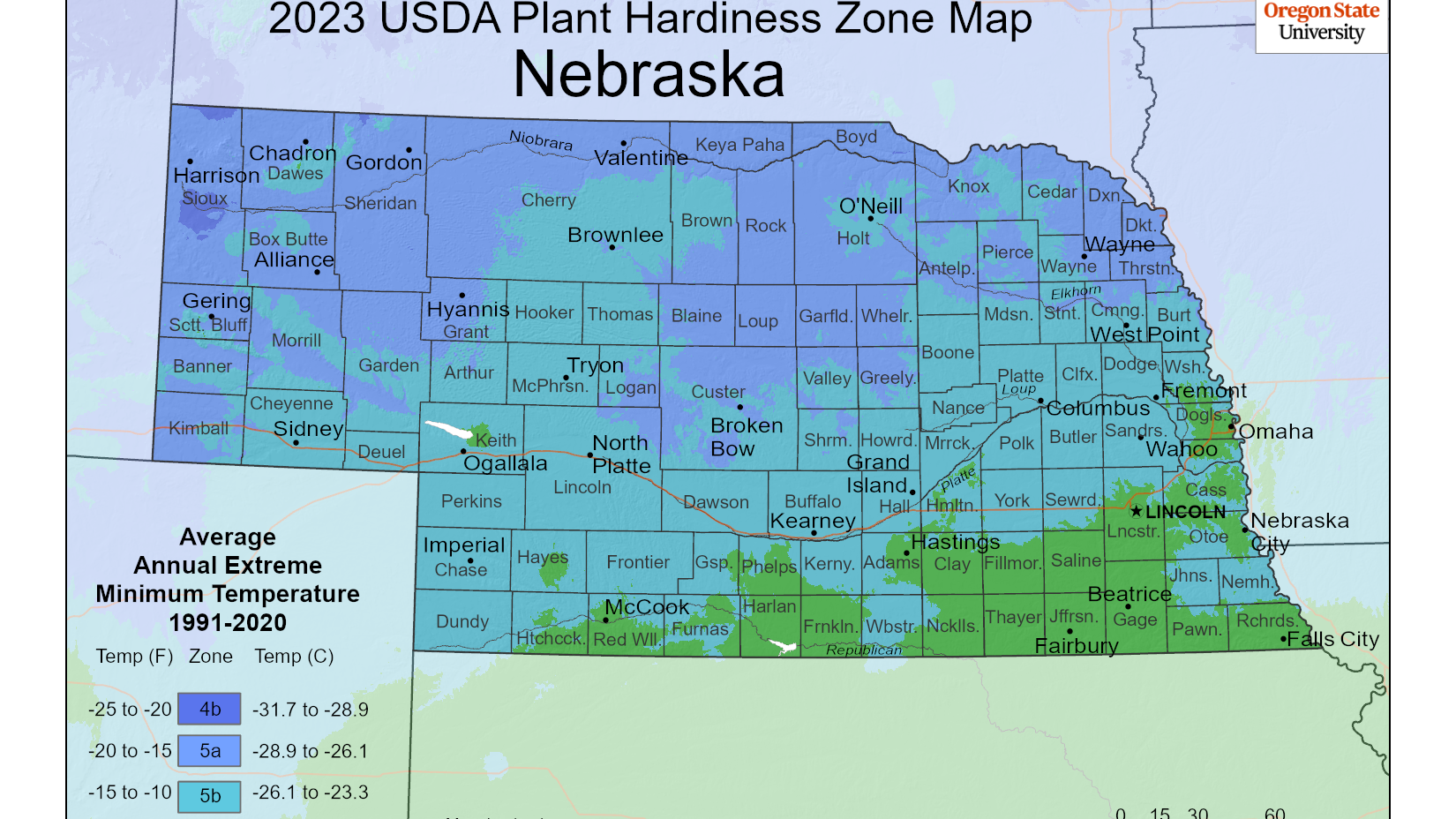
The USDA Plant Hardiness Zone Map is the industry standard for determining which plants are most likely to thrive at a particular location. In Nebraska, the growing zones range from the cooler northern regions to the slightly more temperate southern stretches. Understanding these zones is a key component for those engaging in agritourism, as it explains why certain perennial landscapes flourish in Omaha versus the high plains near Scottsbluff.
Defining the Zones Across the State
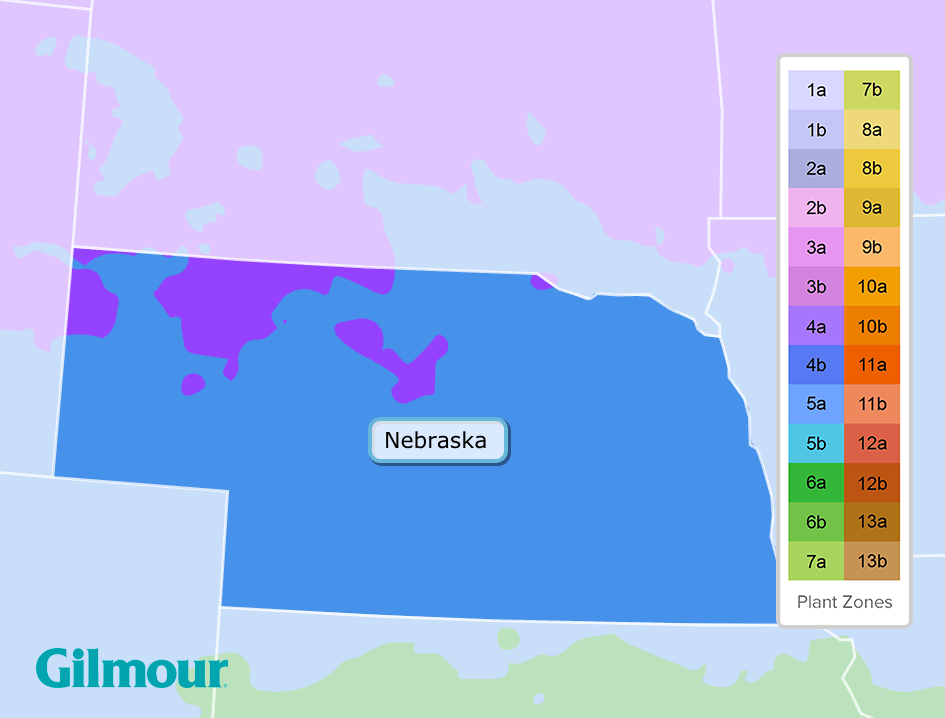
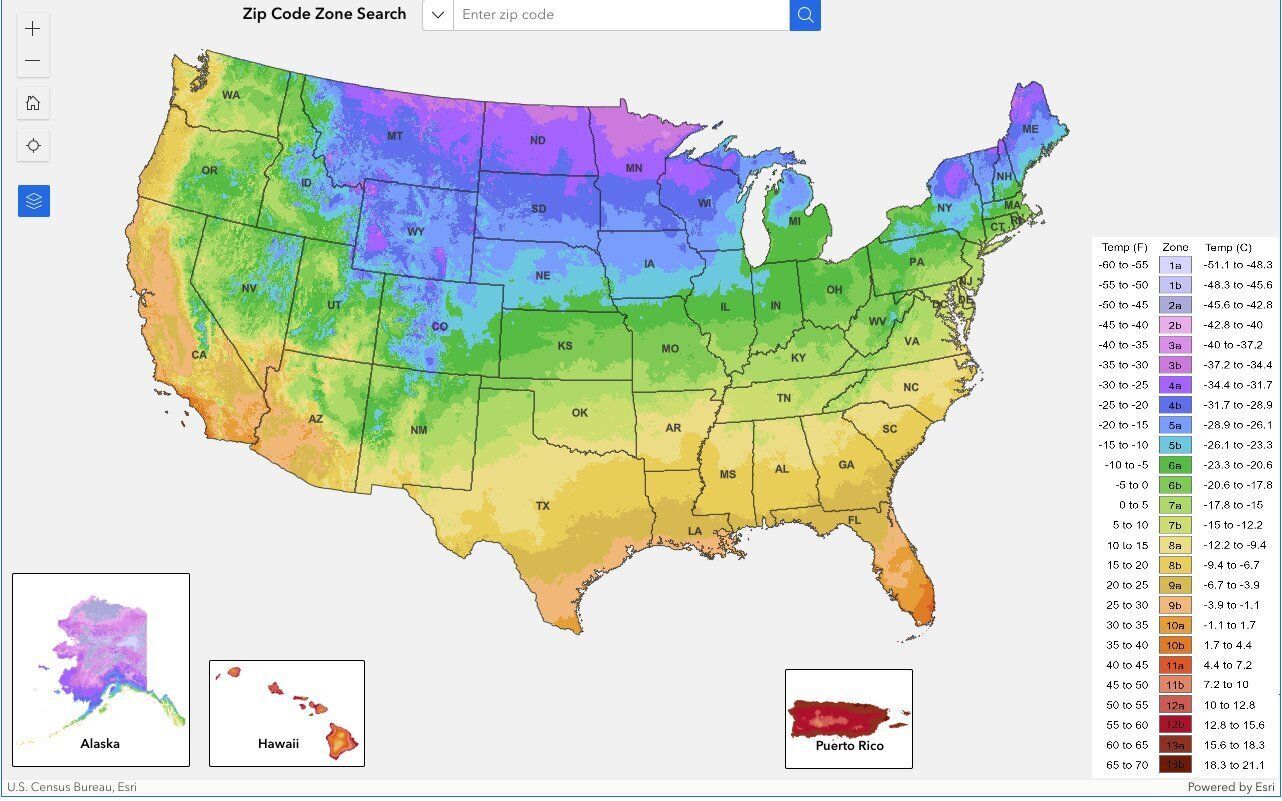
Most of Nebraska falls within Zone 4 and Zone 5, with some pockets of Zone 6 appearing in the extreme southeastern corner of the state. Zone 4, characterized by colder winter minimums between -30°F and -20°F, dominates the northern and western sections of the state. Meanwhile, Zone 5, which experiences minimums between -20°F and -10°F, covers much of the central and eastern regions.
Why Geography Matters for Tourism
The diversity in these zones dictates the natural aesthetic of the state’s landscapes. When visiting Nebraska, you will notice that the vegetation changes significantly as you travel from the Sandhills to the Platte River Valley. The hardiness zones serve as an indicator of the resilience of the local environment, informing everything from the types of wildflowers blooming in Fontenelle Forest to the types of vineyards successfully producing wine in the rolling hills of the Loess Hills.
The Influence of Climate on Regional Flora and Landscapes
The specific climate of Nebraska is defined by its position in the heart of the United States. Being far from the moderating influences of any ocean leads to wide temperature swings, which directly impacts the hardiness zones. For the traveler, this means a distinct “seasonality” that defines the best times to visit specific attractions.
Adaptability of Local Plant Life
The native species of Nebraska, such as the towering Cottonwood trees or the resilient Big Bluestem grasses, are well-adapted to the zone-specific challenges of the region. These plants have evolved to handle both the harsh, deep-freeze winters of Zone 4 and the hot, sometimes humid summers that define the Midwest. Seeing these landscapes in person offers a deep appreciation for the endurance required by the flora of the Great Plains.
Impact on Botanical Gardens and Arboretums
For those who enjoy touring botanical displays, the hardiness zones are the blueprint for the beauty found at institutions like the Lauritzen Gardens. These sites must curate their collections based on the realities of the Omaha climate. By visiting these gardens, one can see exactly what the climate allows to grow, offering a masterclass in regional botany that is both aesthetically pleasing and educational.
Planning Your Trip Around the Growing Seasons
Timing is everything when exploring the diverse zones of Nebraska. Because the temperature minimums vary by zone, the arrival of spring and the onset of autumn can differ by several weeks across the state. This variance is crucial for those interested in outdoor activities like hiking in Chadron State Park or visiting the orchards near Nebraska City.
Spring Blooms and Peak Botanical Experiences
If you are traveling to view wildflowers, the transition from late winter to mid-spring is the best time to see the resilience of the local flora. As the ground thaws in Lincoln, you will notice the early bloomers emerging across the city’s many public parks. In the cooler Zone 4 areas of the north, the spring bloom arrives slightly later, creating an opportunity for “flower chasing” as the warmth spreads northward.
Autumn Harvests and Seasonal Landscapes
The cooling temperatures that prepare plants for their winter dormant phase also bring the harvest season, a highlight for many Nebraska visitors. The transition between the zones means that the fall foliage can be spotted moving from the northern, cooler zones down toward the southern borders. A drive through the Niobrara National Scenic River corridor during October showcases the vibrant colors made possible by the unique climate and the diverse tree species supported by the local growing zones.
Connecting with Nature in the Heart of the Plains
Beyond the technicalities of USDA zones, Nebraska offers an expansive, honest connection to the natural world. The growing zones are simply the scientific backdrop for the breathtaking vistas that greet travelers throughout the state. From the rugged formations of Scotts Bluff National Monument to the quiet, rolling majesty of the prairies, the land is a testament to the life that survives and thrives in this corner of North America.
Sustainable Tourism and Environmental Awareness
Understanding that a specific part of the state sits in Zone 4 or 5 encourages a more sustainable mindset. When visitors learn about the conditions required for local plants to grow, they often develop a deeper respect for the fragile ecosystems they are visiting. Whether exploring the Indian Cave State Park or simply taking a walk through a city park in Grand Island, this knowledge enhances the overall travel experience.
A Guide for Future Travelers
As you finalize your itinerary, keep the climate in mind. Whether you are an avid gardener curious about the local cultivars or a nature photographer seeking the perfect season for prairie landscapes, knowing that you are navigating the intersection of Zone 4 and Zone 5 will help you plan for the correct weather, proper attire, and the most rewarding sights. Nebraska is a state that rewards the observant traveler, offering a quiet, persistent beauty that is as hardy and enduring as the zones that define its soil. By aligning your expectations with the environmental reality of the region, you ensure a visit that is as educational as it is visually spectacular, rooted in a true appreciation for the heart of the United States.
LifeOutOfTheBox is a participant in the Amazon Services LLC Associates Program, an affiliate advertising program designed to provide a means for sites to earn advertising fees by advertising and linking to Amazon.com. Amazon, the Amazon logo, AmazonSupply, and the AmazonSupply logo are trademarks of Amazon.com, Inc. or its affiliates. As an Amazon Associate we earn affiliate commissions from qualifying purchases.