
Planning a trip to the heart of the American Midwest requires more than just booking flights and hotels; it demands a clear understanding of the logistics that govern the region. One of the most frequent questions travelers ask when heading to this expansive state is, “What is the time zone in Nebraska?” While it might seem like a straightforward question, the answer is nuanced, as the state is split between two different time zones. Understanding this geographic split is essential for anyone looking to navigate the state efficiently, whether you are visiting Omaha for business or exploring the rugged beauty of the Pine Ridge Escarpment.
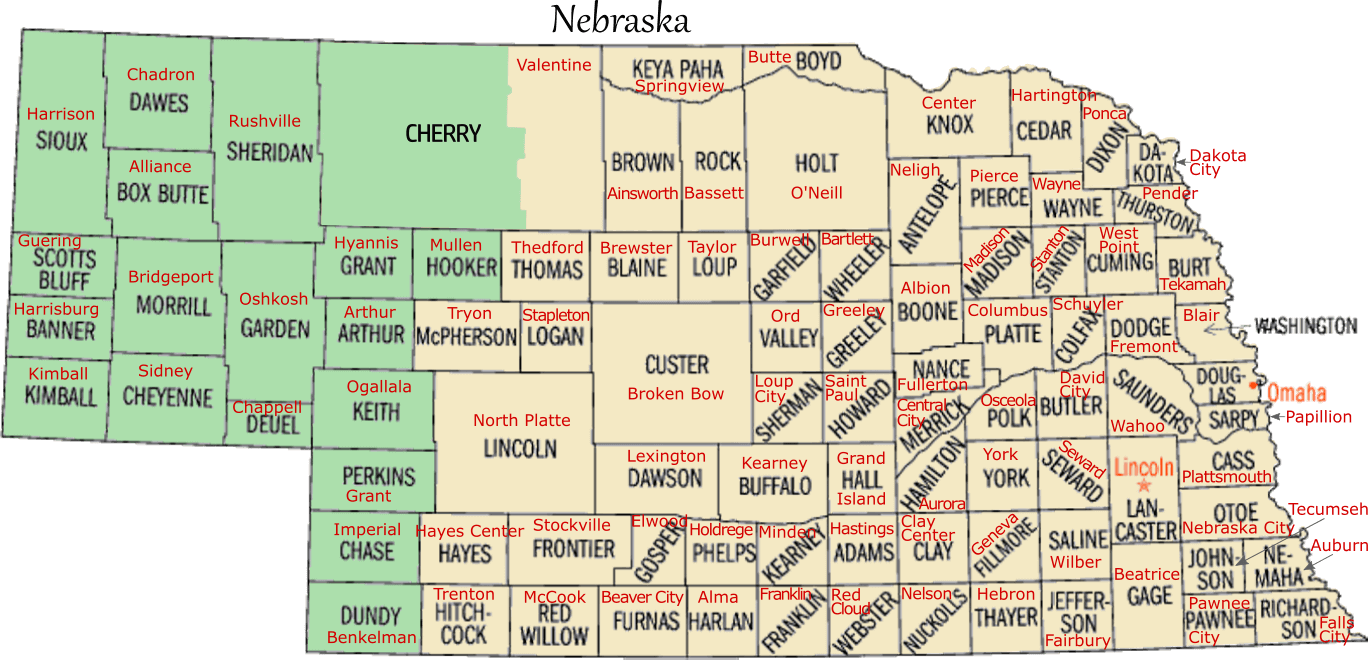
The Geographical Division: Central vs. Mountain Time
The majority of Nebraska operates on Central Time, but a significant portion of the western part of the state falls into the Mountain Time zone. This division is not merely an arbitrary line; it reflects the vast expanse of the state as it stretches from the fertile river valleys of the east toward the high plains and the Rocky Mountains to the west.
Central Time: The Eastern and Central Hubs
The vast majority of the state’s population resides within the Central Time zone. This includes major metropolitan areas like Omaha and Lincoln, as well as the farming communities that stretch across the fertile Platte River valley. For travelers visiting cultural institutions, dining in the historic Old Market, or attending events at the University of Nebraska, Central Time is the standard. It is important to note that this zone encompasses most of the eastern two-thirds of the state.
Mountain Time: The Western Frontier
As you travel west beyond the town of North Platte—which sits very close to the dividing line—the clocks shift back one hour to Mountain Time. This region includes the breathtaking landscapes of Scotts Bluff National Monument and the vast agricultural reaches near Chadron. For those venturing out to explore the Nebraska National Forest or the remote beauty of Agate Fossil Beds National Monument, remembering to adjust your watch is vital to ensure you arrive at your destinations or guided tours on time.
Navigating Travel Logistics Across Time Zones
When crossing state lines or traversing from the eastern border near the Missouri River toward the Wyoming border, the shift in time zones can create confusion for the unprepared traveler. Because Nebraska is such a long state, drive times between major points of interest can be significant, and adding or losing an hour can impact your daily itinerary.
Planning Your Itinerary
If your travel plans involve a cross-state road trip, you should account for the shift in your scheduling. Many travelers choose to start their journey in the vibrant city of Omaha, moving westward through the capital of Lincoln and into the plains. If you are aiming to reach the Sandhills or the far western edges of the state for sunset photography or outdoor excursions, be mindful that your window of daylight may feel different depending on which side of the time zone line you are currently traversing.

Tips for Staying Syncronized
- Check Local Time: Always confirm the time zone of your specific destination. Even within the same county, lines can shift. Check online travel guides or your smartphone’s weather app, which typically updates to the local time based on your GPS coordinates.
- Hotel Check-ins: If you are staying at a lodge near the border, such as those found in Alliance or Sidney, call ahead to confirm the local time for check-in procedures.
- Transportation Schedules: If you are relying on regional transport or guided tour services in Valentine or Kearney, ensure you verify the time zone listed on your tickets or itineraries.
Seasonal Considerations: Daylight Saving Time
Like most of the United States, Nebraska observes Daylight Saving Time (DST). This means that, regardless of whether you are in the Central or Mountain time zone, clocks will spring forward one hour in the spring and fall back one hour in the autumn.
Impact on Sightseeing
The implementation of DST is particularly significant for visitors interested in the state’s natural history and outdoor attractions. During the summer months, the later sunset times, especially in the western Mountain Time regions, provide extended opportunities to visit locations like Carhenge. Conversely, during the winter, early sunsets are common across the entire state. Planning your travel during the shift months—March and November—requires extra vigilance. If you are flying into Eppley Airfield and driving west immediately, you may find that the internal clock adjustment feels more pronounced during the transition weeks.
Managing Jet Lag and Fatigue
While Nebraska travel is typically domestic, the combination of long-distance driving and moving through time zones can induce a form of “traveler’s fatigue.” To mitigate this, consider staying overnight in a central hub like Grand Island before pushing further west into the Mountain Time zone. This allows for a more relaxed pace, ensuring that you arrive at your destination refreshed and ready to explore the unique geological formations and cultural heritage sites that define the region.

Regional Highlights Regardless of the Time
Regardless of what time zone you find yourself in, Nebraska offers a wealth of experiences for every type of traveler. From the urban sophistication of Aksarben Village to the rugged, fossil-rich landscapes of the west, the state’s character remains consistent even as the clocks change.
Whether you are enjoying a steak dinner in the heart of Omaha or waking up for a sunrise hike in Chadron State Park, the key to a stress-free trip is preparation. By understanding the time zone split—recognizing that the east is firmly in the Central Time zone and the west transitions to Mountain Time—you can focus your energy on what truly matters: soaking in the expansive beauty of the Great Plains.
Ultimately, the time zone in Nebraska is a reflection of the state’s massive scale. It serves as a reminder to slow down, take in the vast horizons, and appreciate the nuances of a region that bridges the gap between the Midwestern interior and the mountainous West. Whether your watch says one thing or another, you are always in the right place to experience the genuine hospitality and quiet majesty of one of America’s most underrated travel destinations.
LifeOutOfTheBox is a participant in the Amazon Services LLC Associates Program, an affiliate advertising program designed to provide a means for sites to earn advertising fees by advertising and linking to Amazon.com. Amazon, the Amazon logo, AmazonSupply, and the AmazonSupply logo are trademarks of Amazon.com, Inc. or its affiliates. As an Amazon Associate we earn affiliate commissions from qualifying purchases.