
Navigating the temporal geography of the United States can occasionally be a source of confusion, particularly when crossing state lines where time zones shift. For travelers, business professionals, and those coordinating cross-country logistics, understanding the precise local time in a region as geographically expansive as Nebraska is essential. While many assume that a single state occupies a single time zone, the reality of the Great Plains is slightly more nuanced, reflecting the historical and economic ties of its disparate regions.
The Dual Time Zone Reality of Nebraska
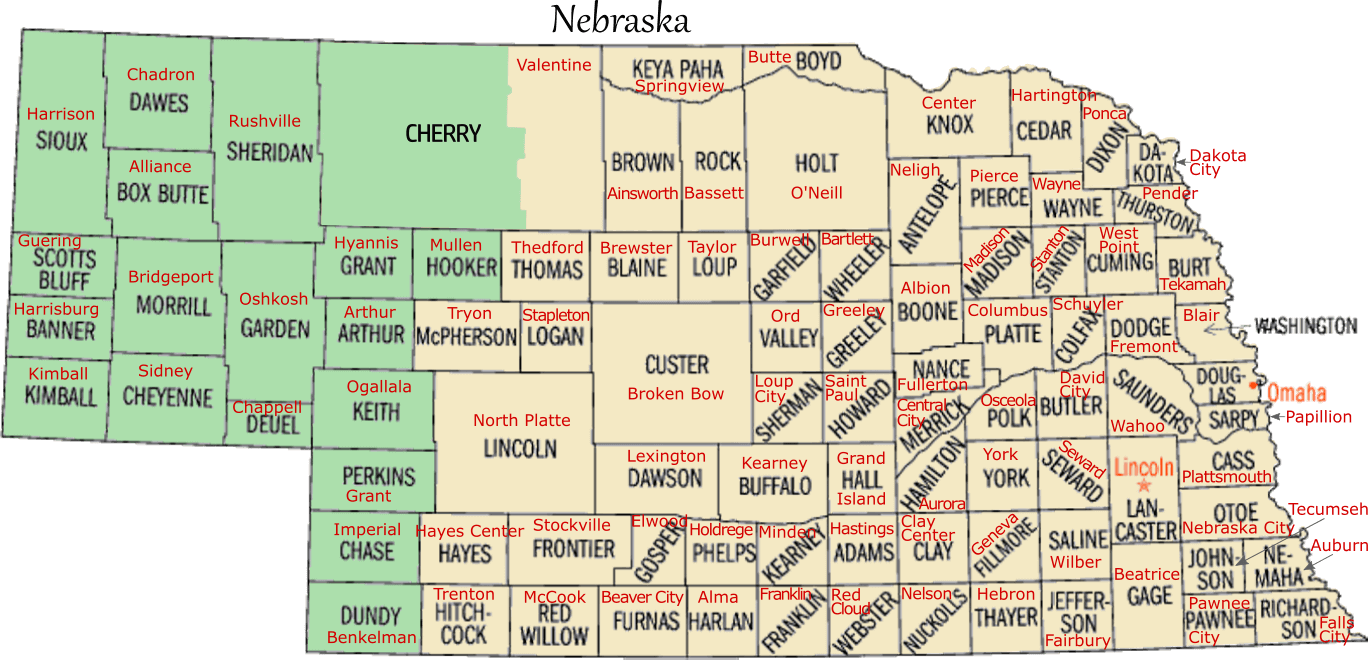
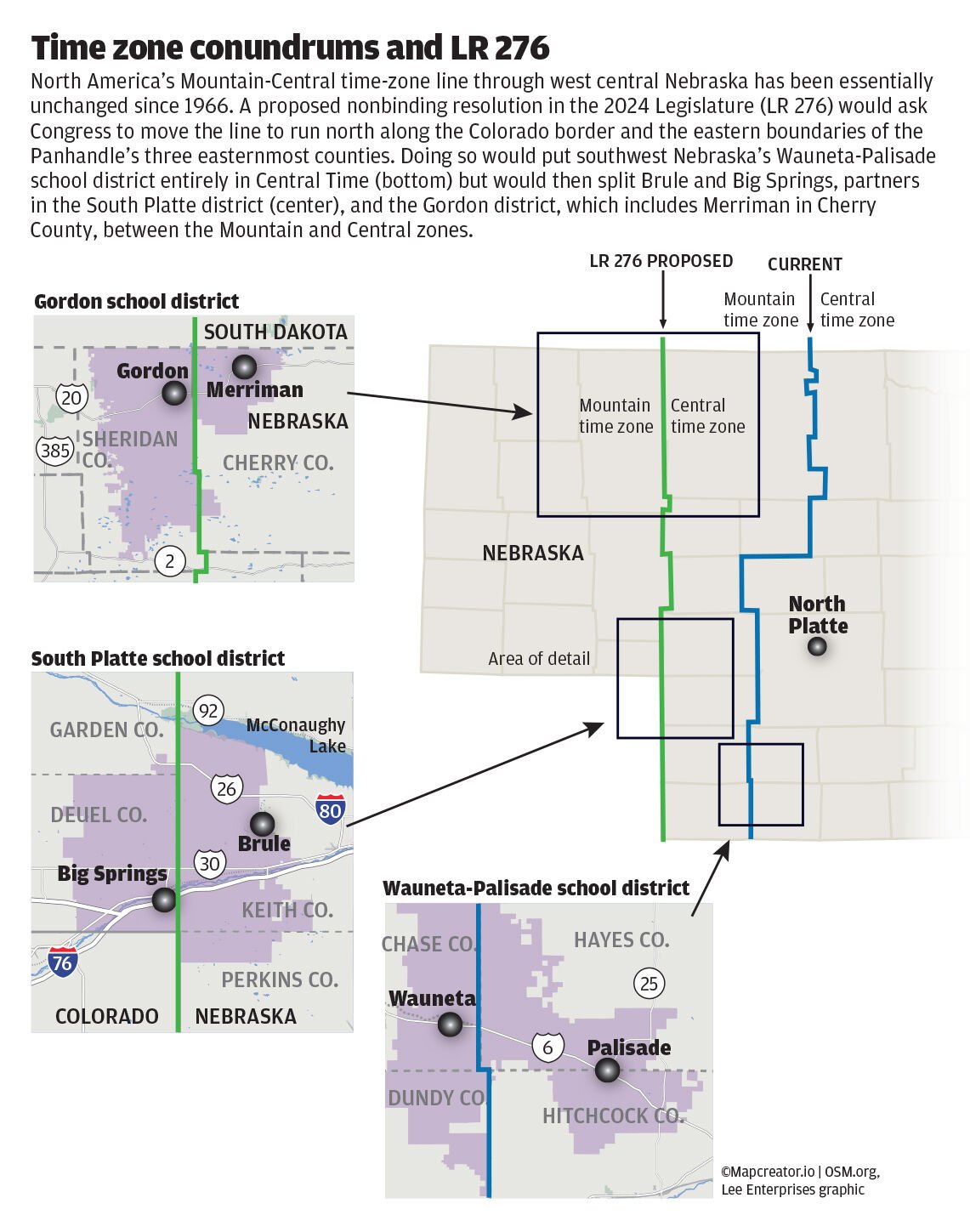
The most important takeaway for anyone asking, “What time is it in Nebraska now?” is that the state is split between two distinct time zones: Central Time and Mountain Time. This division is not arbitrary but is designed to align the daily lives and commerce of local communities with their geographic and cultural hubs.
Understanding Central Time
The vast majority of the state, including the major metropolitan areas, operates on Central Standard Time (CST) or Central Daylight Time (CDT) during the summer months. This zone governs the economic engine of the region, from the bustling streets of Omaha to the state capital, Lincoln. If you are visiting the University of Nebraska or attending a conference at the CHI Health Center Omaha, you will be operating on the same clock as Chicago and Dallas.
The Shift to Mountain Time
As you venture further west toward the Colorado border and the iconic landscapes of the Panhandle, the clock shifts back one hour. Residents in counties such as Scotts Bluff, Banner, and Kimball observe Mountain Standard Time (MST) or Mountain Daylight Time (MDT). This adjustment ensures that the westernmost reaches of the state remain synced with the neighboring state of Colorado and major western transit hubs like Denver.
Practical Travel Implications for Your Itinerary
When planning a road trip across the Great Plains, failing to account for this one-hour change can lead to missed reservations, delayed arrivals, and unnecessary stress. Whether you are driving across the state via Interstate 80 or utilizing regional airports, timing is a critical component of your logistical strategy.
Planning Your Arrival in Western Nebraska
If your travel plans include visiting the Scotts Bluff National Monument or exploring the rugged beauty of Fort Robinson State Park, you must remember to set your watch back an hour when you cross the boundary. Travelers often find themselves arriving at trailheads or lodging properties an hour earlier than expected—or, conversely, missing their window for dinner service—if they fail to adjust their itinerary for the transition from Central Time to Mountain Time.
Coordinating Virtual Meetings and Flights
For business travelers, the time zone split is particularly relevant for scheduling. If you are conducting a meeting with a client based in Grand Island while you are staying in Chadron, always clarify which time zone the appointment is based on. Furthermore, when booking flights through Eppley Airfield, remember that the flight duration and arrival times are almost always displayed in local time. Being cognizant of your specific location within the state allows you to accurately predict your departure buffer and transit duration.
Navigating Seasonal Changes: Daylight Saving Time
Like most of the United States, Nebraska observes Daylight Saving Time (DST). This biannual shift—where the clocks “spring forward” in March and “fall back” in November—is applied uniformly across both the Central and Mountain sections of the state.
The Uniformity of the Shift
Because the entire state participates in the shift, the one-hour difference between the eastern and western regions remains constant throughout the year. You do not need to worry about the time gap widening or shrinking; the “Western Nebraska” region will always be one hour behind the “Eastern Nebraska” region. This consistency provides a small relief for those managing ongoing projects across the state, as the relative difference is predictable.
Preparing for the Transition
If you are visiting during the second Sunday in March or the first Sunday in November, be aware of the “lost” or “gained” hour. Technology usually handles this automatically on smartphones and laptops, but analog devices and non-connected travel equipment will require manual adjustment. It is a best practice to check your device settings upon crossing into the western counties to ensure that your phone has correctly updated to reflect the Mountain Time shift, as intermittent cell service in rural areas can occasionally delay an automatic update.
Tips for Time Zone Management While Exploring
Beyond the technical aspect of keeping track of the hours, there is a certain cultural rhythm to the state that travelers should embrace. Understanding the local time is not just about logistics; it is about respecting the pace of life in the Heartland.
Embrace the Local Pace
In Eastern Nebraska, the rhythm is dictated by the vibrant energy of growing urban centers and industrial hubs. In Western Nebraska, the atmosphere is often slower, dictated by the sunrise over the Platte River and the sweeping landscapes of the Sandhills. Knowing the time helps you align your schedule with local business hours, which may be more limited in smaller, rural towns compared to the 24-hour convenience of larger city centers.

Essential Checklist for the Time-Conscious Traveler
To ensure your trip remains smooth, consider these three simple steps:
- Sync Your Devices: Ensure your digital devices are set to “Set Time Automatically” to allow GPS-based time adjustment when traveling across the state line.
- Double-Check Reservations: When booking tours for attractions like the Strategic Air Command and Aerospace Museum or dining at popular spots in Kearney, verify the time zone of the booking to avoid any last-minute surprises.
- Keep a Analog Reference: For longer road trips through isolated stretches, a physical watch or an old-fashioned map with time zone annotations can be a lifesaver if you venture outside of mobile data coverage.
By staying mindful of these subtle geographical divisions, your journey through the Cornhusker State will be marked by efficiency and ease, allowing you to focus on the landmarks and local experiences that make this region a unique destination. Whether you are catching a sunrise in the west or a sunset in the east, being on time is the first step toward an unforgettable adventure.
LifeOutOfTheBox is a participant in the Amazon Services LLC Associates Program, an affiliate advertising program designed to provide a means for sites to earn advertising fees by advertising and linking to Amazon.com. Amazon, the Amazon logo, AmazonSupply, and the AmazonSupply logo are trademarks of Amazon.com, Inc. or its affiliates. As an Amazon Associate we earn affiliate commissions from qualifying purchases.