
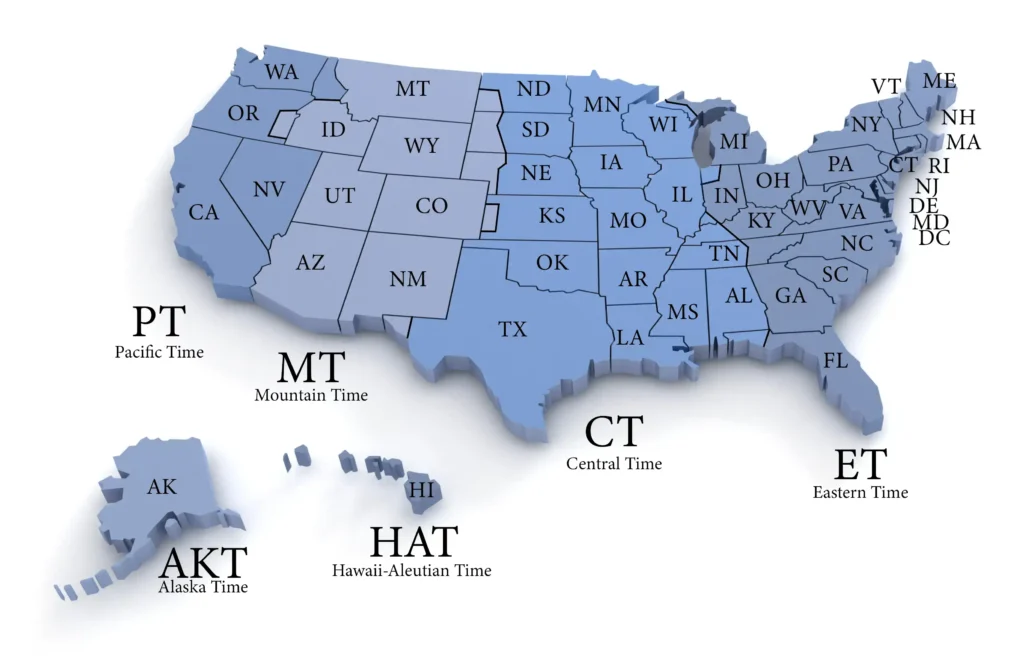
For travelers navigating the vast plains of the American Midwest, the transition between time zones often serves as a subtle yet significant shift in the rhythm of a road trip. While many associate time zone boundaries with international borders or expansive mountain ranges, in the state of Nebraska, this demarcation is a unique geographical quirk that splits the state between Central Time and Mountain Time. Understanding exactly where this change occurs is essential for anyone traversing the “Cornhusker State,” whether they are headed toward the bustling streets of Omaha or the rugged terrain of the west.
The Geography of the Time Zone Split
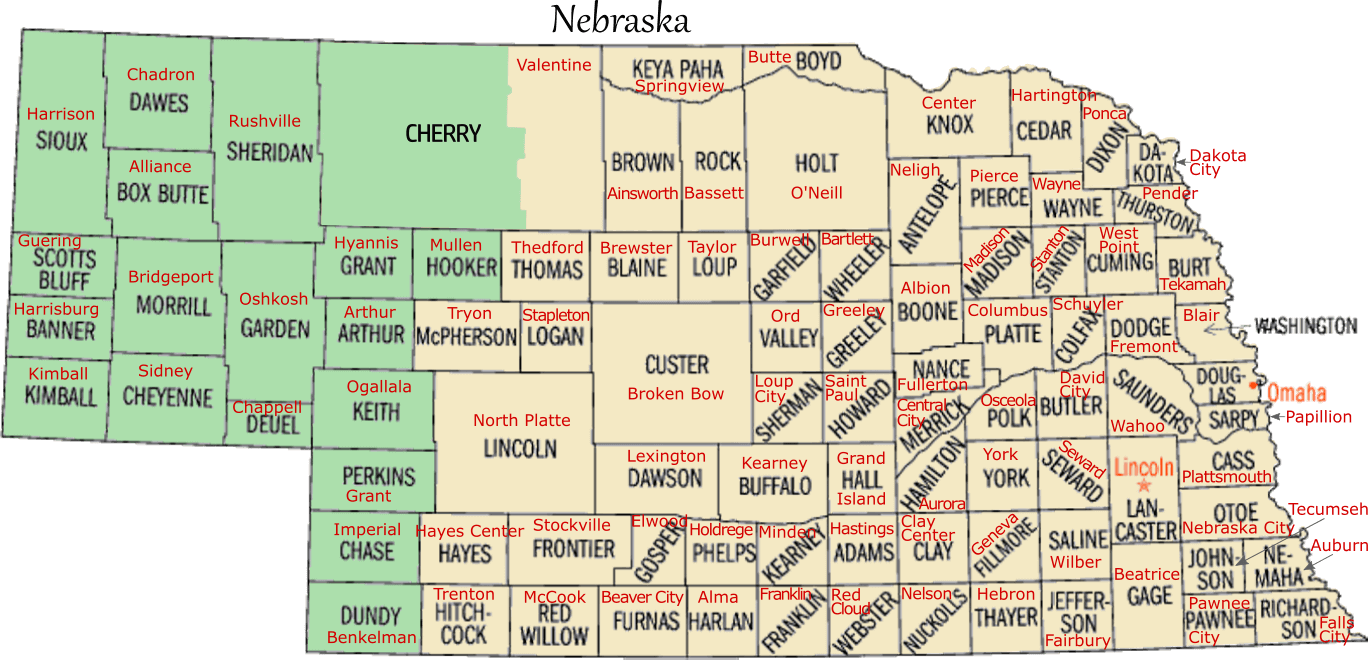
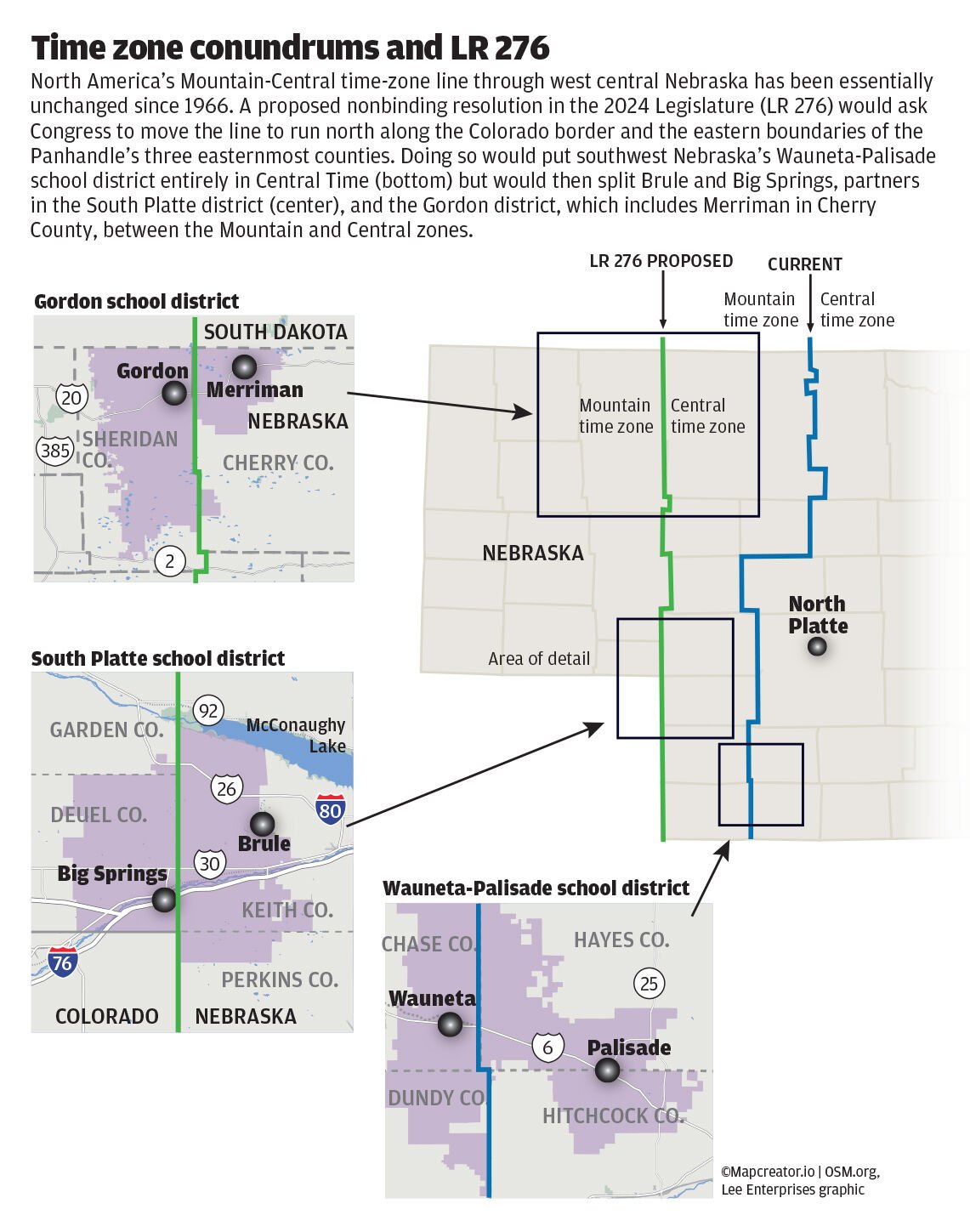
The time zone boundary in Nebraska is not a simple, straight north-to-south line. Instead, it follows a jagged path influenced by historical, economic, and logistical ties between various counties and their neighbors. While the vast majority of the state operates on Central Time, the western panhandle and a few surrounding counties function on Mountain Time.
Understanding Central vs. Mountain Time
Most of the state, including major urban centers like Lincoln, sits comfortably within the Central Time Zone. As you move westward, however, the landscape changes—not just in terms of topography, but in the tick of the clock. Once you cross the invisible threshold into Mountain Time, you lose an hour moving west, or gain one moving east. This shift typically occurs as you approach the western reaches of the state, specifically moving past the central plains toward the high plains.
The Counties Affected by the Transition
The transition zone is primarily focused on the southwestern and western portions of Nebraska. Counties such as Cherry County, Lincoln County, and Keith County serve as the primary markers for this shift. Travelers on Interstate 80 will notice that the change effectively happens somewhere between the central plains and the border of Wyoming and Colorado.
Navigating the Border on Interstate 80
For those driving the primary artery of the state, Interstate 80, the transition is often marked by a sudden realization that the digital clocks in the car have shifted. It is common for travelers to experience a sense of temporal displacement when arriving in cities like North Platte or Ogallala.
Strategic Stops and Time Management
If you are planning a trip through the Midwest, keeping track of the time is crucial for business meetings, hotel check-ins, or catching a performance at a local venue. As you approach Ogallala, you are entering the zone where Mountain Time begins to dominate. Many travelers find that adjusting their watch or phone settings manually while stopping for gas in these western towns prevents scheduling mishaps later in the day.
The Impact on Tourist Itineraries
If you are visiting attractions like Lake McConaughy, it is vital to know that the local time may differ from the time in Lincoln or Omaha. Since Lake McConaughy is located near the time zone transition, visitors coming from the eastern part of the state should be prepared to adjust their expectations. The hour difference can impact the time you spend on the water or the time you arrive for a guided tour of the Buffalo Bill Ranch State Historical Park.
Why Nebraska’s Time Zones Vary
The complexity of Nebraska’s time zone map is largely due to the way commerce and travel patterns evolved during the 19th and 20th centuries. The need to align with larger metropolitan hubs—such as Denver, Colorado—often dictated the time zone preference for counties in the western part of the state.
Historical Context of Time Keeping
Historically, time zones were adopted to facilitate the expansion of the railroad. As trains connected the United States, the chaotic “local time” systems used by different towns became a logistical nightmare for scheduling. By formalizing these zones, the government allowed for consistent transit across states like Nebraska. Some counties elected to stick with Mountain Time because of their economic reliance on western trade routes, while the rest of the state maintained ties with the Central Time hubs of the East.
Practical Tips for the Modern Traveler
To navigate the time zone changes in Nebraska with ease, consider these recommendations:
- Check Your GPS: Modern navigation systems and smartphones automatically switch time zones, but in rural areas with spotty cell service, it is wise to keep a manual watch set to the current time zone of your destination.
- Confirm Reservation Times: When booking a stay at a resort near the border, such as those near the Platte River, always double-check the time zone specified in your confirmation email.
- Plan Buffer Time: When traveling cross-state, account for the hour difference in your driving schedule. If you are crossing from Omaha to the far west, you are essentially gaining an hour of “extra” time in your day.
Embracing the Journey Through the Plains
The transition between time zones in Nebraska offers more than just a logistical exercise; it provides a sense of the immense scale of the United States. As you drive past the cornfields of the east and into the rolling, higher-elevation vistas of the west, the shifting clock serves as a reminder that you are moving from one regional culture to another.
Beyond the Clock
Whether you are exploring the historical sites of North Platte or enjoying the natural beauty of the Nebraska Sandhills, the time zone transition is simply a part of the adventure. It is a moment to pause, look at your watch, and realize that you are moving deeper into the heart of the American West.
Final Thoughts on Cross-State Travel
Traveling across Nebraska is a journey through time—quite literally. By preparing for the shift, you ensure that your trip remains stress-free and that you don’t miss out on the incredible landmarks, like Chimney Rock or the Scotts Bluff National Monument, that await you as you head toward the sunset. Keep your eyes on the road and your watch in check, and you will find that the transition between time zones is merely a backdrop to the breathtaking scenery of one of America’s most underrated states.
As you leave the Central Time zone behind and enter the Mountain Time zone, you are not just changing your clock; you are stepping into a different perspective of the American landscape. Enjoy the extra hour of daylight, the open road, and the unique experience of navigating Nebraska.
LifeOutOfTheBox is a participant in the Amazon Services LLC Associates Program, an affiliate advertising program designed to provide a means for sites to earn advertising fees by advertising and linking to Amazon.com. Amazon, the Amazon logo, AmazonSupply, and the AmazonSupply logo are trademarks of Amazon.com, Inc. or its affiliates. As an Amazon Associate we earn affiliate commissions from qualifying purchases.