
The political geography of the United States is often viewed through the binary lens of “red” and “blue” states. However, nestled in the heart of the Great Plains, Nebraska disrupts this traditional narrative. Unlike the vast majority of its peers, this state does not adhere to the “winner-take-all” system that defines most American presidential elections. Instead, it utilizes a unique split-vote mechanism that occasionally awards a single electoral vote to a candidate from the opposing party, most notably in the Omaha region. Understanding why this happens requires a deep dive into the historical, cultural, and structural fabric of this distinct American territory.

The Congressional District Method: A Legislative Oddity
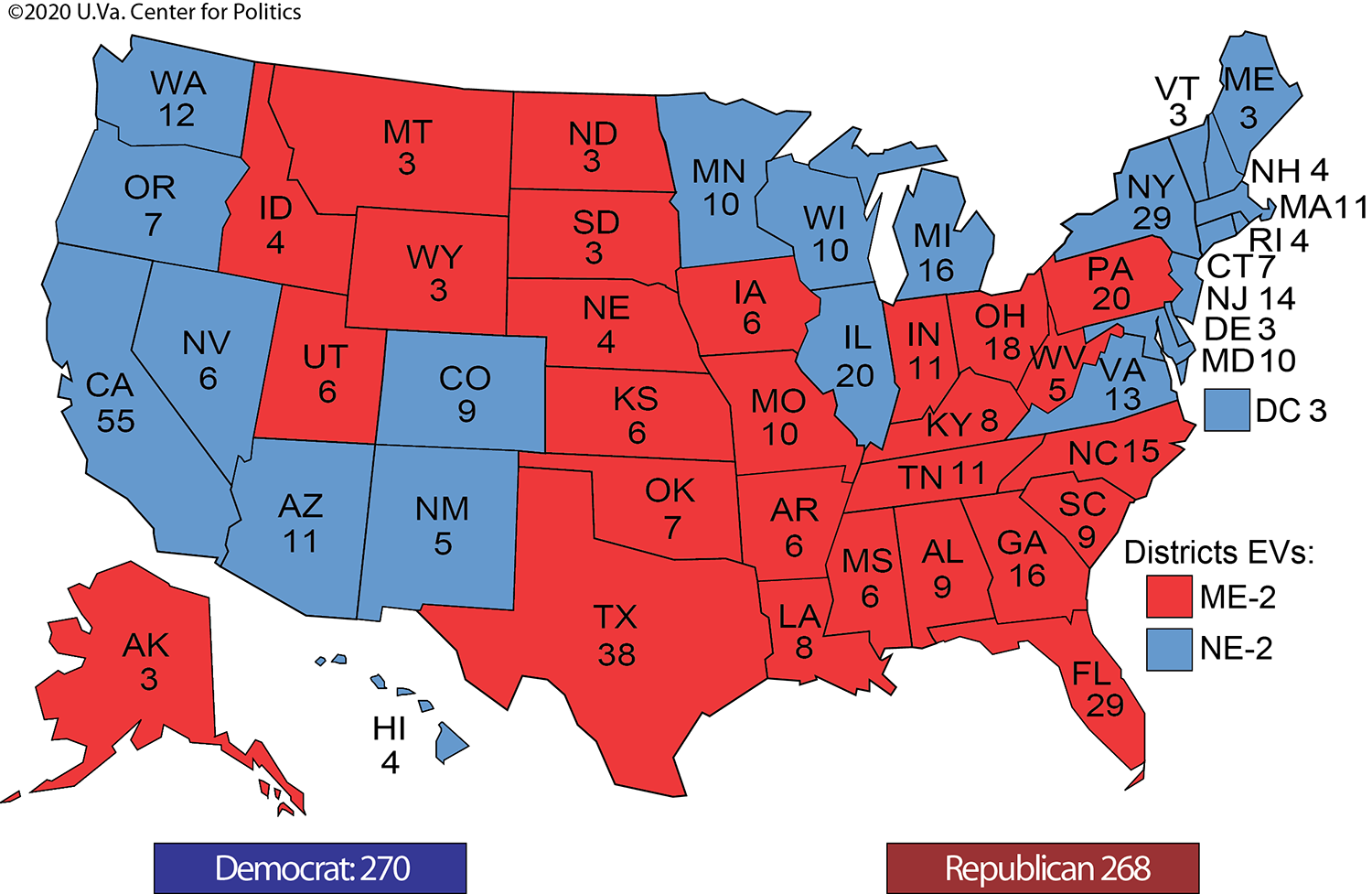
Most states choose their electors using a winner-take-all system, where the candidate who receives the highest number of popular votes in the state secures every single electoral vote available. [Nebraska], however, employs a “Congressional District Method.” This system, which was adopted in 1991, splits the state’s five electoral votes based on the results of individual districts.
How the Math Works
The state is divided into three congressional districts. Each district holds one electoral vote, awarded to the winner of that specific district’s popular vote. The remaining two electoral votes are awarded to the candidate who wins the overall popular vote across the entire state. This mechanism was championed by state senators who believed it would make the state more relevant during presidential campaigns. By allowing the potential for a split, [Nebraska] effectively puts its districts—particularly the densely populated Douglas County—in play for both major political parties.
The Significance of the Second District
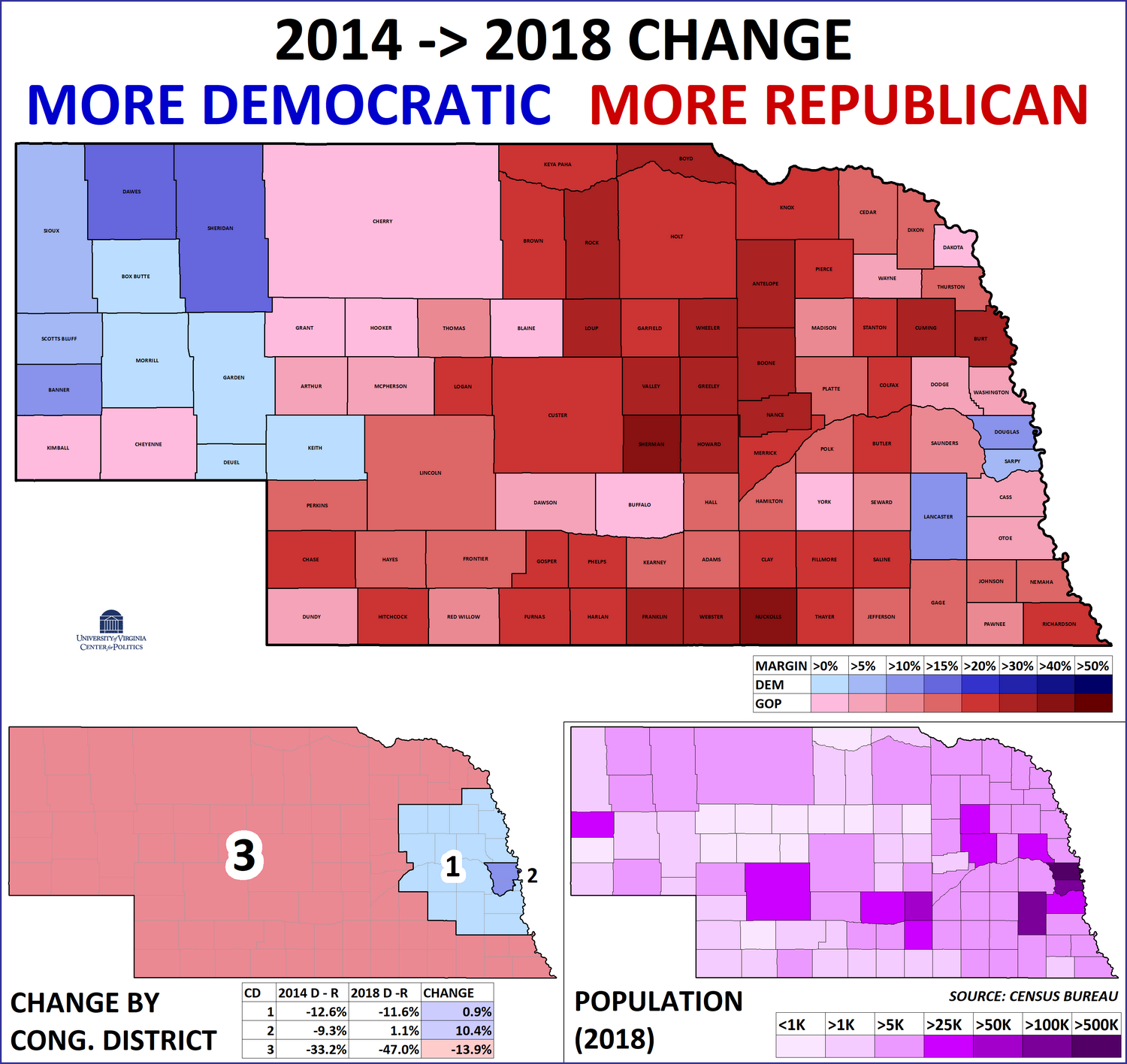
The primary driver of the “Democratic Elector” narrative is Nebraska’s 2nd Congressional District. This district encompasses the city of [Omaha] and its immediate suburbs. Unlike the deep-red rural expanse of the Sandhills or the expansive farmlands of the western part of the state, [Omaha] acts as a metropolitan hub with a diverse economy, a significant university presence, and a shifting demographic profile. This urban-centric district has become a battleground, proving that even within a conservative-leaning state, localized trends can defy broader regional voting patterns.
Cultural and Demographic Shifts in the Heartland
To understand why a Democratic Party candidate can secure an electoral vote in [Nebraska], one must examine the socio-economic evolution of the region. The state is no longer a monolithic block of rural agriculture. While the Platte River continues to symbolize the state’s agricultural backbone, the corridor surrounding Lincoln and [Omaha] is undergoing a significant transformation.
The Rise of the Urban Voter
As [Omaha] has grown, so too has the density of its professional class. Home to major corporations and a burgeoning tech sector, the city attracts a workforce that often trends younger and more socially liberal than the average resident of the [Great Plains]. These voters are less tethered to traditional agrarian political platforms and are more responsive to modern economic policy and urban infrastructure initiatives. When a Democratic candidate resonates with these demographics, they create a coalition strong enough to win the district’s single electoral vote, even if the Republican Party sweeps the rest of the state.
The University Influence
With the presence of the University of Nebraska-Lincoln and various colleges within [Omaha], the state maintains a constant influx of intellectual and academic influence. University towns have historically served as pockets of political diversity in conservative states. This academic environment fosters discourse and engagement, ensuring that the Democratic platform remains visible and competitive, particularly in districts where population density allows that voice to translate into electoral results.
The Broader Impact on National Tourism and Political Identity
While often analyzed through a purely political lens, the existence of a split electoral vote has inadvertently shaped the identity of [Nebraska] as a state that values independence. The political uniqueness of the Cornhusker State adds a layer of nuance to its tourism and cultural reputation.
A State of Independent Thinkers
Travelers visiting [Nebraska] often find that the stereotype of the state being purely one-dimensional is inaccurate. From the cultural richness of the Old Market district in [Omaha] to the historical significance of the Strategic Air Command and Aerospace Museum, the state is defined by its resilience and its specific, localized identity. The fact that the state consciously maintains a system that allows for split representation suggests a pride in legislative autonomy—a characteristic that locals are often quick to highlight when discussing their home.
Political Tourism and Local Engagement
In the lead-up to presidential elections, the 2nd Congressional District becomes a focal point for national media and political campaigns. This influx of political activity brings attention to [Omaha], encouraging visitors to explore the city beyond the headlines. Local culture, food, and history gain a broader audience as the city finds itself in the national spotlight. Whether one is visiting Lauritzen Gardens or catching a game at Charles Schwab Field Omaha, the environment is one of a vibrant, changing city that happens to hold a unique place in the American democratic experiment.
Conclusion: The Resilience of the District System
The presence of a Democratic elector in [Nebraska] is a testament to the fact that American geography is not a static map of predictable colors. It is a dynamic landscape of counties, districts, and cities that function as distinct ecosystems. By choosing to allocate its electoral votes in a way that respects district-level outcomes rather than statewide blocks, [Nebraska] demonstrates a commitment to a nuanced democratic process.
For the observer, the lesson of [Nebraska] is clear: political labels rarely capture the full complexity of a region. Whether it is the economic shifts within [Omaha], the progressive influence of university hubs like [Lincoln], or the legislative desire to remain relevant in a national conversation, the state’s political architecture is designed to capture the diversity of its citizens. The Democratic elector is not an anomaly of failure or a sign of partisan shifting, but rather the result of a deliberate, long-standing system that invites competition and rewards the political engagement of every district. As long as [Nebraska] maintains this unique electoral framework, it will remain a subject of fascination for those studying the intersection of geography, culture, and governance in the [United States].
LifeOutOfTheBox is a participant in the Amazon Services LLC Associates Program, an affiliate advertising program designed to provide a means for sites to earn advertising fees by advertising and linking to Amazon.com. Amazon, the Amazon logo, AmazonSupply, and the AmazonSupply logo are trademarks of Amazon.com, Inc. or its affiliates. As an Amazon Associate we earn affiliate commissions from qualifying purchases.