
The prospect of traveling from the neon-lit streets of Japan to the glittering desert oasis of Nevada is a journey that bridges two of the most distinct cultural and entertainment landscapes in the world. Whether you are chasing the high-stakes thrills of the Las Vegas Strip or looking to explore the rugged, high-desert beauty of the Great Basin National Park, planning this trans-Pacific trek requires a clear understanding of international aviation logistics.
Navigating the Flight Routes Between Japan and Nevada
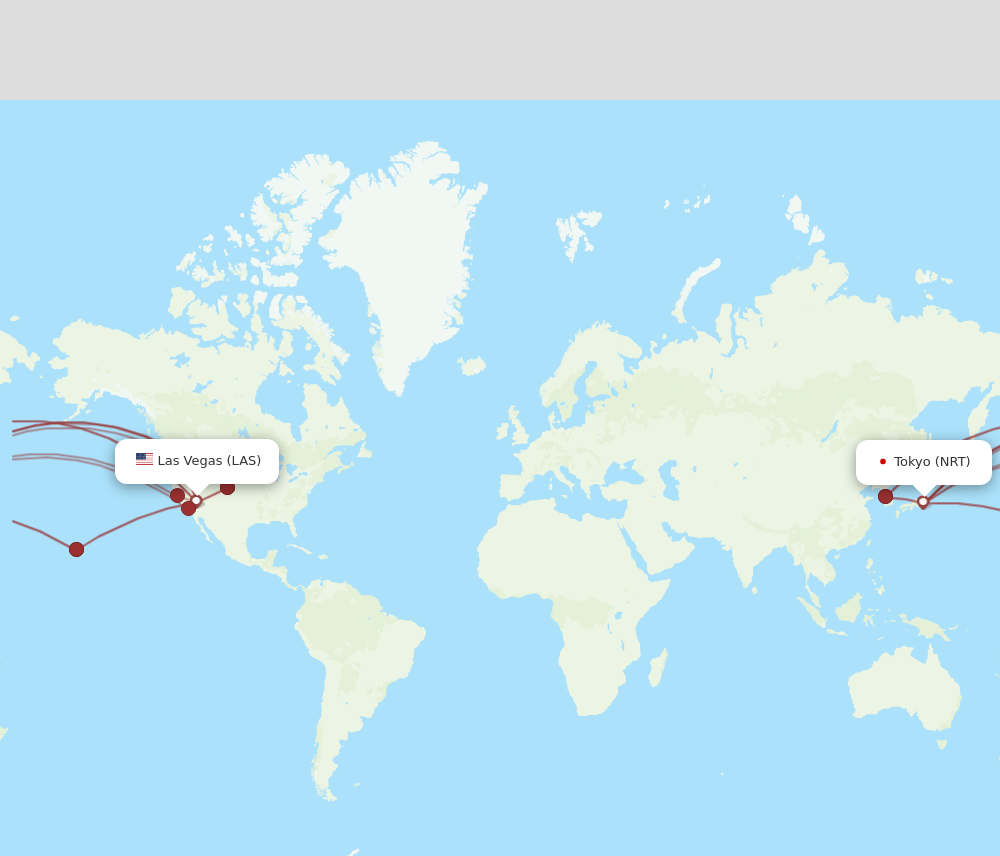
Direct flights between international hubs in Japan and Nevada are currently non-existent. Because of this, travelers must navigate a multi-leg journey, usually involving a connection in a major North American gateway city.
The Hub-and-Spoke Connection
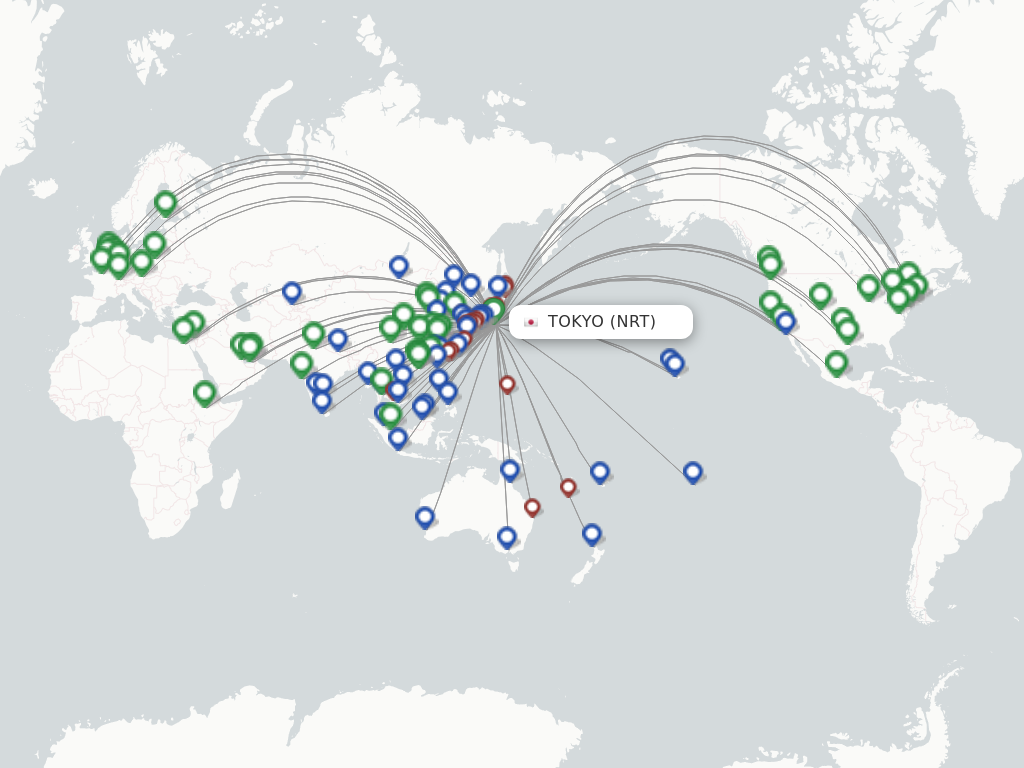
Most travelers departing from Tokyo—utilizing either Narita International Airport or Haneda Airport—will look toward major hubs on the United States West Coast as their primary entry point. Major carriers like United Airlines, American Airlines, and Japan Airlines provide seamless transfers through cities such as Los Angeles, San Francisco, or Seattle.
From these ports of entry, catching a connecting flight to Harry Reid International Airport in Las Vegas is exceptionally straightforward. The final leg from the West Coast to Nevada typically takes between 60 and 90 minutes, making the overall transit time from Japan quite manageable, usually totaling between 14 and 18 hours depending on the duration of your layover.
Strategic Planning for Long-Haul Transitions
For those flying from Osaka via Kansai International Airport, the itinerary remains largely the same. The key to a successful journey is minimizing the time spent in transit. Utilizing a single airline alliance—such as Star Alliance or Oneworld—allows for checked baggage to be routed directly to Nevada, simplifying the process during your connection at a U.S. port of entry.
Entering the Silver State: Arrival Logistics
Once you arrive at Harry Reid International Airport, the transition into the unique culture of Nevada begins immediately. As the primary gateway for international tourism in the region, the airport is well-equipped to handle long-haul passengers.
Customs and Immigration
International travelers entering the United States from Japan must pass through Customs and Border Protection at their first point of entry into the U.S. It is essential to ensure that all ESTA (Electronic System for Travel Authorization) requirements or visa documents are in order well before departure. Because you will undergo immigration at your connecting city—such as Los Angeles International Airport—you should allow at least three hours for your layover to ensure a stress-free transition to your domestic flight.
Transportation from the Airport
Upon landing in Las Vegas, you are mere minutes away from the action. The city offers a variety of transportation options, including ride-sharing services, taxis, and rental cars, which are highly recommended if you plan to venture beyond the city limits to visit sites like Red Rock Canyon or Lake Mead.
Maximizing Your Travel Experience
Traveling from the efficiency-driven environment of Japan to the high-energy, entertainment-focused atmosphere of Nevada is a study in contrasts. To make the most of this trip, travelers should consider the timing of their journey and the breadth of their itinerary.
Seasonal Considerations
Nevada experiences extreme temperature fluctuations. While Japan offers a distinct four-season climate, the Mojave Desert landscape of southern Nevada can be scorching during the summer months. For those planning to engage in outdoor activities or visit Valley of Fire State Park, the spring (March to May) and autumn (September to November) offer the most comfortable weather for exploration.
Balancing Urban and Natural Attractions
While most international flights land in Las Vegas, the state offers far more than its famous casinos. Once you have acclimated to the time zone—a significant 16 to 17-hour difference from Tokyo—you might consider renting a vehicle to explore the wider Great Basin.
Traveling north toward Reno and the stunning, high-altitude Lake Tahoe provides a complete change of pace from the desert floor. Many travelers find that combining the urban sophistication of a Las Vegas resort stay with the serene natural landscapes found in the northern part of the state provides a well-rounded Nevada experience.

Tips for the Trans-Pacific Traveler
To ensure that your journey from Japan to Nevada is as smooth as possible, consider these essential travel strategies:
- Select Your Layovers Wisely: If given the choice, prioritize San Francisco International Airport or Seattle-Tacoma International Airport for connections. These airports are generally easier to navigate for international arrivals than larger, more congested hubs.
- Stay Hydrated: The Nevada climate is notoriously dry, particularly in contrast to the humidity often found in Japan. Increasing water intake during your flight will help mitigate the effects of jet lag and the arid desert air upon arrival.
- Booking Packages: Many travel agencies in Tokyo and Osaka specialize in “fly-and-stay” packages. Given the lack of direct flights, booking your airfare and Las Vegas accommodation as a bundle can often result in significant savings and more robust support should any flight schedule changes occur.
- Cultural Preparation: Be prepared for the scale of the United States. Distances are vast, and while Las Vegas is pedestrian-friendly within the Strip, the rest of the state essentially requires a car for any meaningful exploration of the natural beauty the region has to offer.
By following these guidelines, you can easily bridge the thousands of miles between Japan and Nevada. While the journey requires a connection, the payoff—be it the vibrant nightlife, the world-class entertainment, or the breathtaking silence of the desert—is well worth the flight time. Whether you are coming for business or pleasure, Nevada remains a premier destination for those willing to make the trek across the Pacific.
LifeOutOfTheBox is a participant in the Amazon Services LLC Associates Program, an affiliate advertising program designed to provide a means for sites to earn advertising fees by advertising and linking to Amazon.com. Amazon, the Amazon logo, AmazonSupply, and the AmazonSupply logo are trademarks of Amazon.com, Inc. or its affiliates. As an Amazon Associate we earn affiliate commissions from qualifying purchases.