
For the modern professional, blending business interests with high-end travel has become a hallmark of the Lifestyle approach. Many entrepreneurs are drawn to Nevada not only for its world-class entertainment and luxury accommodations but also for its favorable business climate. Establishing a Limited Liability Company (LLC) in a destination like Las Vegas can be an enticing prospect for those who wish to combine their professional ventures with a vibrant, high-energy environment. However, understanding the fiscal responsibilities associated with such an entity is critical before one commits to conducting business while enjoying the amenities of the Silver State.
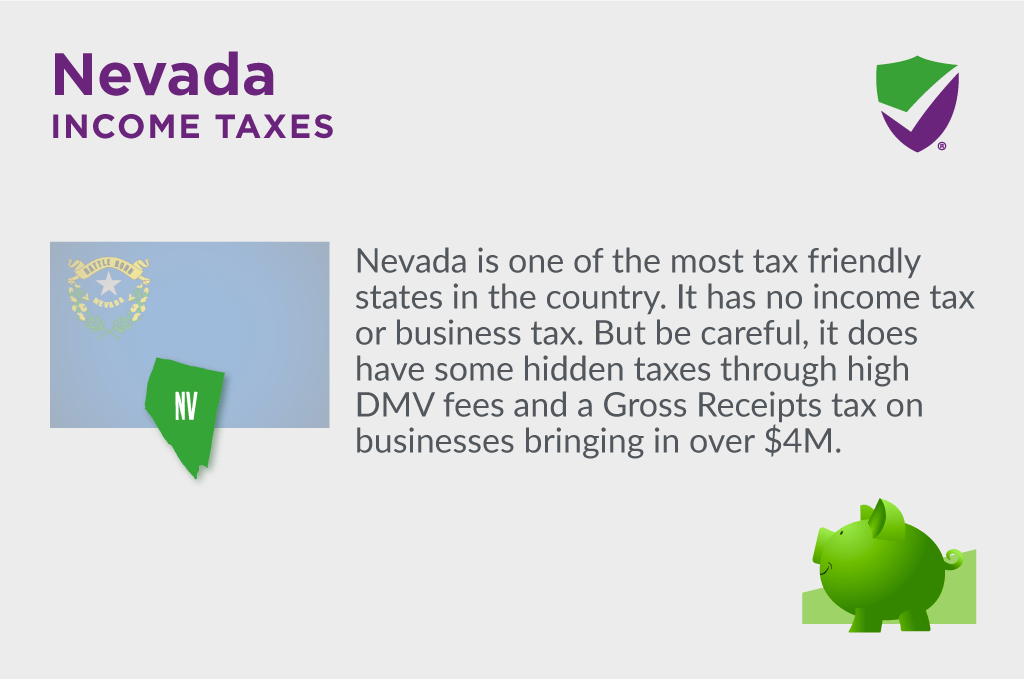
Federal Taxation and the LLC Structure
The primary misconception many business owners have when establishing an entity in a state with no corporate income tax, such as Nevada, is that this status extends to federal obligations. It is vital to clarify that the federal government views an LLC differently than state authorities. Regardless of where you form your business, the Internal Revenue Service (IRS) maintains a uniform set of regulations that apply to all domestic entities.
The Concept of Pass-Through Taxation
By default, the IRS classifies a single-member LLC as a “disregarded entity” for tax purposes. This means that the business itself does not pay federal income tax. Instead, the profits and losses of the business “pass through” to the owner’s personal tax return. Whether you are conducting your business from a suite at the Bellagio Hotel or your home office, the federal government requires you to report this income on your Form 1040, specifically via Schedule C.
Self-Employment Taxes
Beyond standard income tax, LLC owners must account for self-employment taxes. These cover Social Security and Medicare contributions. Because you are essentially your own employer, you are responsible for the full portion of these taxes—both the employer and employee shares. This obligation remains constant, regardless of the state of formation. While Nevada offers an attractive lack of state personal income tax, the federal government remains indifferent to your geographic location when calculating these self-employment liabilities.
The Intersection of Business and Lifestyle in Nevada
Choosing to incorporate in Nevada often coincides with a desire to spend time in locations that offer a unique blend of productivity and leisure. Whether you are attending a conference at the Las Vegas Convention Center or meeting clients for dinner at a high-end restaurant near the Fountains of Bellagio, the state serves as a premier destination for business-minded individuals.
Maintaining Compliance While Traveling
When you operate an LLC while traveling, especially to a hub like Las Vegas, keeping meticulous records is essential. The IRS requires substantiation for all business expenses claimed. If you intend to deduct travel-related costs, such as a stay at the Caesars Palace, the primary purpose of the trip must be business-related. You must be prepared to document business meetings, conferences, or site visits that justify the trip. Failure to maintain these records can jeopardize your ability to deduct these expenses against your business income, potentially increasing your federal tax burden.
Leveraging the Nevada Business Climate
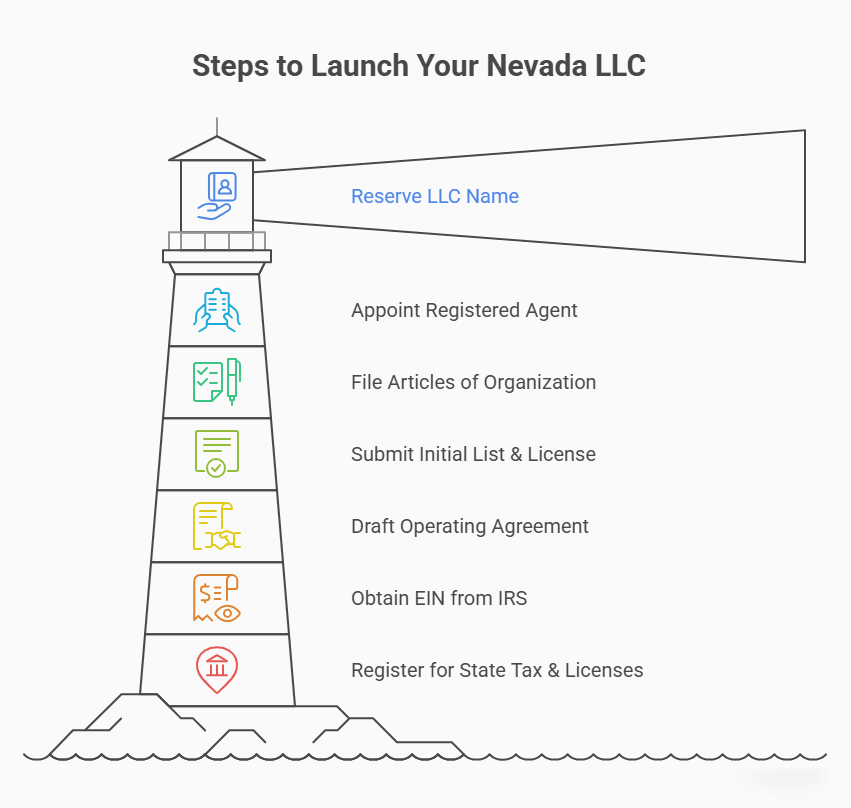
Many business owners are attracted to the privacy laws and asset protection features offered by Nevada. By maintaining a registered agent and a physical business presence, owners can enjoy the stability of the state’s legal framework. However, this legal structure does not offer a “pass” on federal filing requirements. You must ensure that your federal tax filings accurately reflect your worldwide income, regardless of the tax-friendly environment of your state of incorporation.
Strategic Financial Planning for the Traveling Entrepreneur
Navigating the intersection of federal tax law and state-specific business advantages requires a proactive strategy. If your lifestyle involves frequent business travel to Nevada or other major business centers, you should treat your tax planning with the same rigor you apply to your business operations.
Understanding Tax Residency
While your LLC may be a creature of Nevada law, you are a taxpayer of your state of residence. If you live in a state with high personal income taxes, forming an LLC in Nevada will not exempt you from paying state taxes in your home jurisdiction. The federal government, meanwhile, tracks your total income based on your personal tax return. Ensuring that your tax residency status is clearly established is crucial for avoiding complications with tax authorities.
Deductible Business Expenses
When planning your next trip, consider how the federal tax code treats travel expenses. Ordinary and necessary costs—such as airfare, lodging, and meals—incurred while traveling for business are generally deductible. If you find yourself enjoying the nightlife or the luxury resorts, such as the Wynn Las Vegas, ensure that the professional portion of your trip is well-documented. Keep an itinerary, log your business discussions, and retain receipts to support your tax filings.
Seeking Professional Guidance
Given the complexity of federal tax law, consulting with a qualified tax professional who understands the nuances of multi-state operations is highly recommended. Whether you are navigating the tax implications of a startup or managing a mature business, a professional can help you structure your affairs to remain compliant while enjoying the benefits of your professional lifestyle.

Conclusion: Balancing Success and Compliance
The decision to operate an LLC in Nevada offers numerous advantages, from asset protection to a business-friendly environment that caters to those who value both growth and high-quality experiences. Whether you are enjoying the luxury amenities at the Venetian Resort or the natural beauty surrounding the Red Rock Canyon, your commitment to professional excellence should always be paired with a clear understanding of your fiscal responsibilities.
The federal tax code does not discriminate based on where you choose to incorporate; it demands transparency and consistency. By maintaining organized financial records, understanding the distinction between state and federal obligations, and staying informed about tax deductions, you can effectively manage your business while enjoying the lifestyle that Nevada offers. Being an entrepreneur is as much about the journey as it is about the destination, and with the right approach, you can successfully balance your federal tax duties with the rewards of your hard work.
LifeOutOfTheBox is a participant in the Amazon Services LLC Associates Program, an affiliate advertising program designed to provide a means for sites to earn advertising fees by advertising and linking to Amazon.com. Amazon, the Amazon logo, AmazonSupply, and the AmazonSupply logo are trademarks of Amazon.com, Inc. or its affiliates. As an Amazon Associate we earn affiliate commissions from qualifying purchases.