
When travelers imagine Nevada, their minds almost invariably drift toward the neon-drenched horizon of the Las Vegas Strip. They picture scorching asphalt, shimmering heat waves rising off the Mojave Desert, and the dry, unrelenting sun of Clark County. However, to categorize this vast western state solely by its arid lowlands is to overlook the dramatic topographical diversity that defines the Great Basin. The reality is that Nevada is a land of extreme verticality, where high-altitude peaks capture winter storms with surprising ferocity, transforming the landscape into a crystalline wonderland for several months of the year.

The Geography of Snowfall in the Silver State
To understand why snow visits Nevada, one must look at the unique “basin and range” topography that defines its geography. The state is covered in a series of parallel mountain ranges separated by flat, sagebrush-filled valleys. These peaks, many of which soar well above 10,000 feet, act as massive barriers to moisture-laden air masses traveling eastward from the Pacific Ocean.
The Sierra Nevada Influence
The western border of the state is dominated by the Sierra Nevada mountains. This massive range serves as the primary weather engine for the region. As clouds rise to clear the high passes, they dump significant amounts of precipitation on the western slopes. By the time these air masses spill over into Nevada, much of the intensity has been wrung out, yet the higher elevations still receive consistent, heavy snowfall. Lake Tahoe is the most famous beneficiary of this phenomenon, often seeing multi-foot accumulations that turn the basin into a premier destination for winter enthusiasts.
Interior Ranges and Sky Islands
Beyond the Sierra Nevada, the interior of the state—including areas like Elko and Ely—is home to several “sky islands.” These are mountain ranges that rise thousands of feet above the surrounding desert floor. Because temperature drops as elevation increases, these summits stay cold enough to retain snowpack long after the valley floors have warmed up. Places like the Ruby Mountains frequently accumulate deep snow, providing a stark, jagged contrast to the barren valleys below.
Winter Destinations and Activities
While the iconic image of Nevada is one of gold mines and casinos, the state offers a robust winter tourism industry that relies heavily on its seasonal snow. For travelers, this means a unique duality: spending the morning on a snowy peak and the evening enjoying the comforts of a high-end resort.

Skiing and Snowboarding
The Lake Tahoe area offers world-class skiing, with resorts such as Heavenly Mountain Resort straddling the border between California and Nevada. The views from the slopes, overlooking the deep blue waters of the lake, are arguably among the most spectacular in North America. Further inland, near Reno, Mount Rose Ski Tahoe provides a convenient high-altitude getaway that captures the light, dry “champagne powder” often associated with the interior west.
Backcountry Adventures
For those seeking solitude, the Ruby Mountains offer a rugged, untamed experience. Known as the “Swiss Alps of Nevada,” this region is a magnet for backcountry skiers and snowmobilers. Unlike the groomed runs of a corporate resort, the Ruby Mountains provide a raw, high-alpine experience where the snow is untouched and the terrain is formidable. It is a stark reminder that even in a desert-dominant state, winter weather can be a powerful force of nature.
Seasonal Timing and Traveler Tips
Knowing when and where to find snow in Nevada is key to planning a successful trip. The snow season typically kicks off in late November and can extend well into April, or even May, depending on the year’s moisture cycle.
The Valley Exception
It is important to manage expectations regarding the low-elevation valleys. While Reno and Carson City do receive snow, it rarely stays on the ground for extended periods in the city centers. The warmth of the desert sun often melts city snow within a day or two. Conversely, Las Vegas experiences rare, light dustings of snow that typically vanish within hours, though the surrounding mountains like Mount Charleston remain blanketed throughout the season.
Traveling Safely
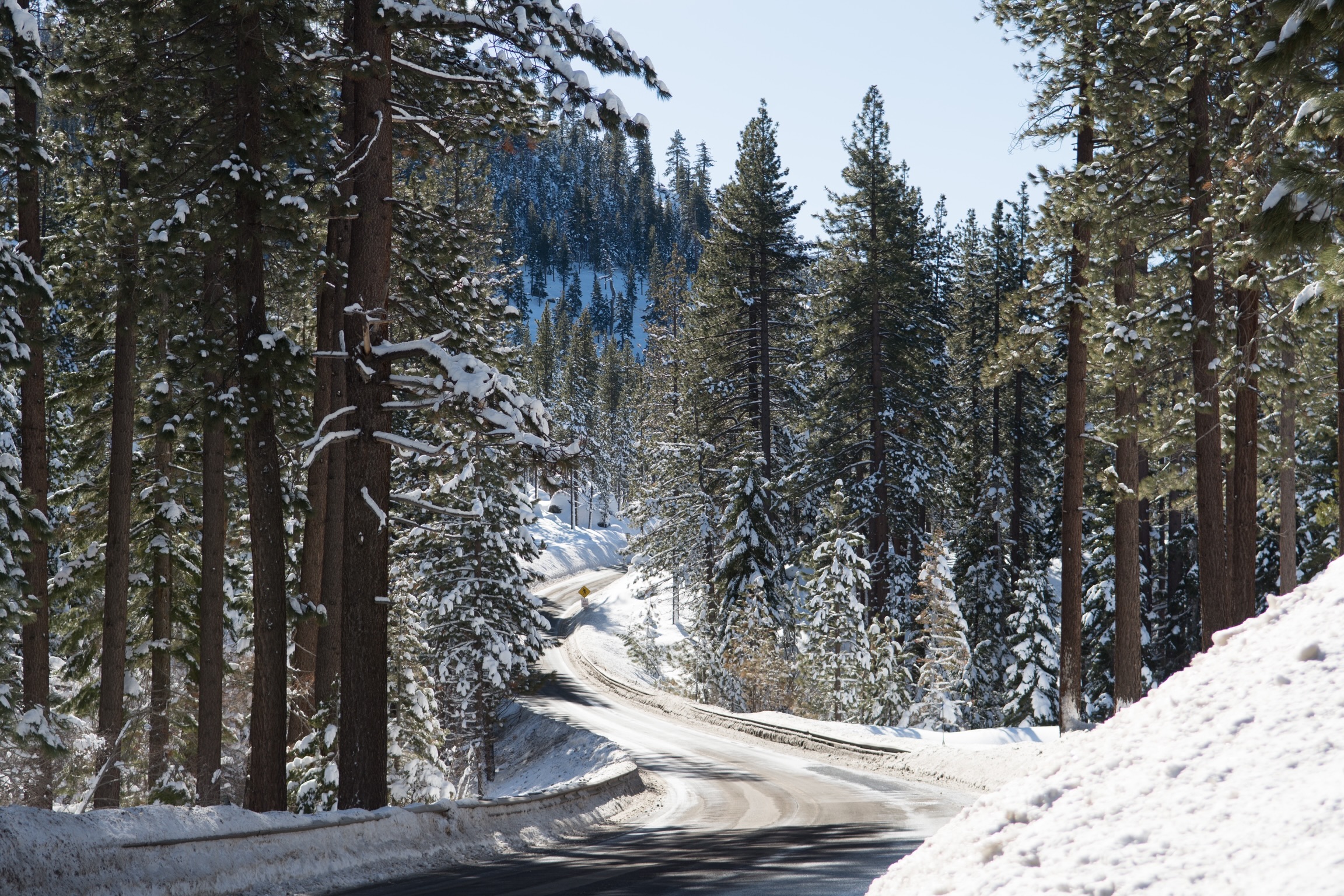
The state’s highways, such as Interstate 80, cross high mountain passes that are prone to rapid weather shifts. When driving during winter, visitors should always carry chains or have a vehicle equipped with four-wheel drive. The Nevada Department of Transportation maintains rigorous standards for road clearance, but winter storms can cause temporary closures of major arterial roads. Always monitor local forecasts if your travel plans involve traversing the state’s interior.
Planning for the Cold
Packing for a winter trip to Nevada requires a layering strategy. One might start the day in Reno in mild conditions, only to ascend into freezing, wind-whipped alpine environments within an hour. Bringing high-quality moisture-wicking base layers, waterproof outer shells, and sturdy, insulated boots is essential. Even if you are staying in a comfortable lodge, the transition between the dry, biting cold of the mountains and the warm, arid air of the valleys can be jarring for those unaccustomed to high-altitude climates.
A Legacy of Winter Wonder
The question “Does Nevada get snow?” reveals a misunderstanding of the state’s true character. Nevada is not a monolith of heat; it is a complex, high-altitude landscape that happens to contain desert basins. Whether you are exploring the icy cliffs of Great Basin National Park or enjoying the vibrant nightlife of the cities, you are constantly influenced by the proximity of the snow-capped peaks.
The snow that falls on the Sierra Nevada and the interior ranges is the lifeblood of the state. It replenishes the aquifers, feeds the Truckee River, and provides the necessary moisture that sustains the state’s ecology. For the traveler, this snow offers more than just a backdrop for photographs; it provides a seasonal playground that defines the rhythm of life in the American West. By embracing the colder side of Nevada, visitors can experience the profound beauty of a state that is as much defined by its winter frosts as it is by its desert sun.
LifeOutOfTheBox is a participant in the Amazon Services LLC Associates Program, an affiliate advertising program designed to provide a means for sites to earn advertising fees by advertising and linking to Amazon.com. Amazon, the Amazon logo, AmazonSupply, and the AmazonSupply logo are trademarks of Amazon.com, Inc. or its affiliates. As an Amazon Associate we earn affiliate commissions from qualifying purchases.