
Navigating the logistical requirements of vehicle ownership while exploring the vibrant landscapes of Nevada is a task every resident and long-term visitor must master. Whether you are moving to the neon-soaked streets of Las Vegas or settling into the mountainous charm of Reno, maintaining your vehicle’s compliance with state emission standards is critical for a hassle-free experience. Understanding the nuances of the smog check—officially known in the Silver State as the Emissions Control Program—is an essential part of your local lifestyle.
The Validity Timeline of Your Smog Check
In Nevada, the validity of a smog check is tethered directly to the registration renewal cycle of your vehicle. Generally, a smog certificate is valid for 90 days from the date of inspection. This means you must complete your registration renewal or initial registration within that three-month window. Once the certificate is submitted to the Nevada Department of Motor Vehicles, it effectively “attaches” to your vehicle for the remainder of that registration period.

Understanding Annual vs. Biennial Cycles
The frequency with which you must subject your vehicle to an emissions test depends on several factors, including the vehicle’s age, its fuel type, and the county in which it is registered. Residents in urban areas such as Clark County and Washoe County face the most stringent requirements due to air quality management goals.
- Newer Vehicles: Generally, new vehicles are exempt from smog checks for the first few years of their life, provided they meet specific criteria.
- Older Models: Vehicles manufactured after 1968 are typically subject to biennial (every two years) testing.
- Diesel Vehicles: These have distinct testing protocols and often require specific inspections based on their gross vehicle weight rating.
It is vital to check your renewal notice, which is sent via mail or electronic notification, as it will explicitly state whether an emissions test is required for your upcoming registration period. If your notice says “Smog Check Required,” you have until your registration expiration date to comply, provided you obtain the test within that 90-day validity window.
Geographic Variability: Where You Live Matters
Not all of Nevada operates under the same environmental regulations. The Nevada Department of Motor Vehicles tailors its requirements based on regional air quality data. This is a common point of confusion for travelers or those moving between different parts of the state.
Urban Compliance in Clark and Washoe Counties
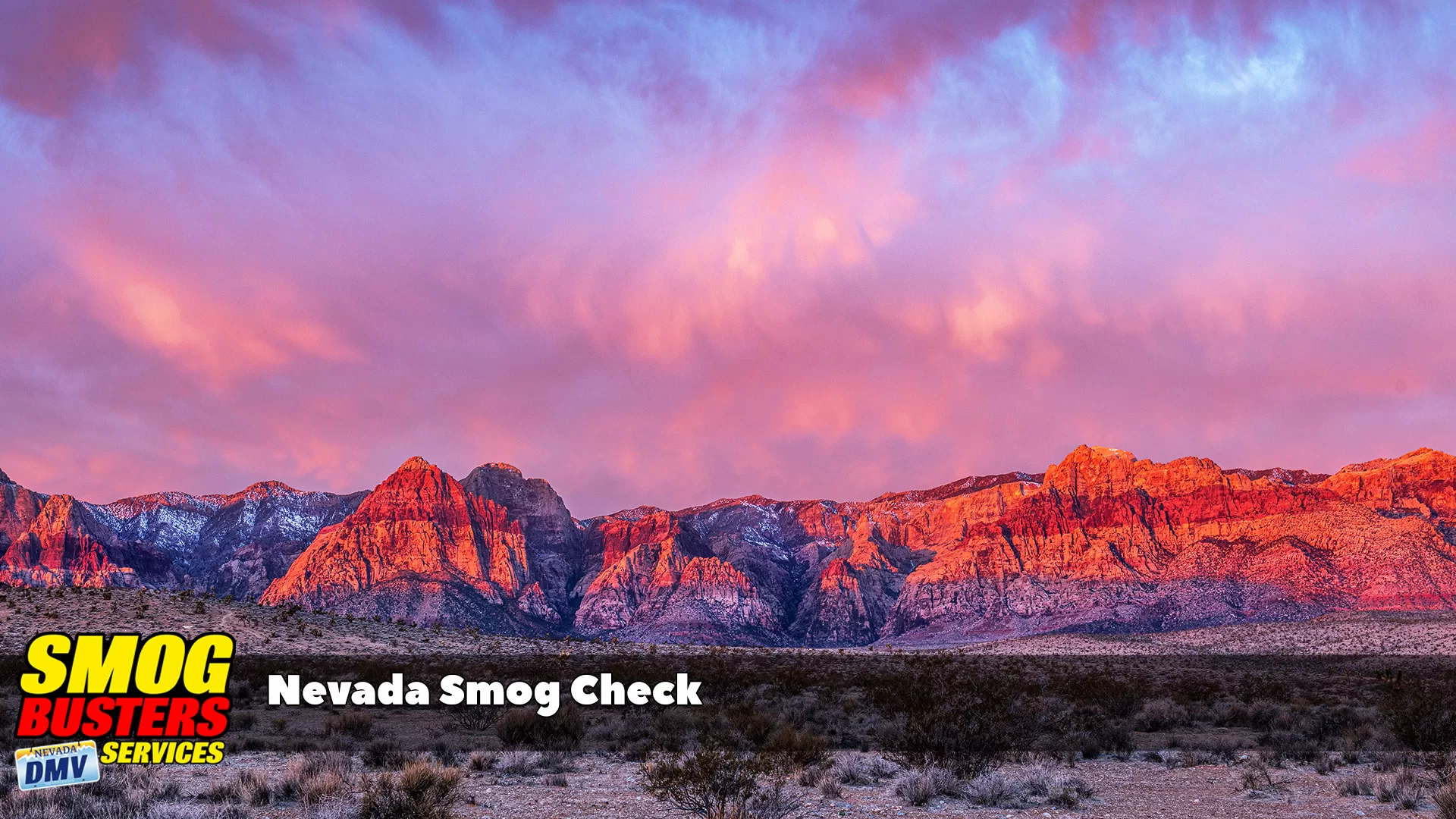
If your primary residence is in the Las Vegas Valley or the Truckee Meadows region, you are almost certainly required to undergo regular emissions testing. These areas are classified as non-attainment areas for certain pollutants, necessitating strict vehicle oversight to maintain the air quality that residents and visitors enjoy while hiking in the Red Rock Canyon or strolling through Midtown Reno.
Rural Exemptions and Exceptions
Conversely, if you live in more rural regions of the state—such as Elko County or White Pine County—the smog check requirement is often waived. This is a significant lifestyle consideration for those who prefer the quiet, expansive desert life over the bustling city atmosphere. However, keep in mind that if you move from a rural county to an urban one, you will be required to update your registration and perform an emissions test immediately upon establishing residency in the new county.
Practical Steps for a Successful Inspection
Preparing for a smog check is a straightforward process, but like any administrative task in a major state like Nevada, being prepared saves time. Whether you are driving a luxury sedan through the Las Vegas Strip or an adventurous 4×4 intended for the trails near Lake Tahoe, the inspection station will follow a standardized procedure.
Preparing Your Vehicle
Before heading to a certified Nevada emissions station, consider these maintenance tips:
- Drive the Vehicle: Ensure your car has been driven for at least 20 minutes prior to the test. A cold engine may not provide accurate readings or may fail the test because the emissions control systems have not reached operating temperature.
- Check for Warning Lights: The “Check Engine” light is an automatic fail. If your dashboard is glowing, address the issue with a qualified mechanic before seeking an inspection.
- Fuel Level: Ensure your gas cap is tightened correctly. A loose gas cap is a common and easily preventable cause of failure.
- Oil Quality: Ensure your oil levels are adequate. A vehicle with severe engine issues will struggle to pass the visual and functional portions of the inspection.
What Happens During the Test
The technician will perform a multi-part inspection. This usually includes:
- Visual Inspection: Checking for the presence of required emissions equipment, such as a catalytic converter and an air injection system.
- Functional Test: Checking the integrity of the gas cap and the On-Board Diagnostics system to ensure no error codes are present.
- Tailpipe Emissions: For older vehicles, a probe may be placed in the exhaust to measure the actual pollutants being released.
Once the vehicle passes, the station will issue a Vehicle Inspection Report (VIR). This document is your proof of compliance. In many modern Nevada stations, the data is transmitted electronically to the Nevada Department of Motor Vehicles in real-time, allowing you to renew your registration online immediately after leaving the shop.
Managing the Process as a Local
For those who view their life in Nevada as a permanent commitment, maintaining your registration is simply part of the annual rhythm of life. If you miss your deadline, you may incur late fees or face penalties if stopped by law enforcement.
If you are a Nevada resident who spends significant time traveling—perhaps driving from the Mojave Desert to California or Arizona—ensure that your smog check is completed before you head out on an extended trip. Trying to resolve a lapsed registration while out of state is a headache you certainly want to avoid.
Final Considerations for Vehicle Owners
Ultimately, the smog check is an investment in the Nevada landscape. By ensuring our vehicles are running efficiently, we contribute to the preservation of the stunning vistas, from the Valley of Fire State Park to the high desert plains.
Remember:
- Check the expiration date on your registration notice.
- Locate a certified station well in advance to avoid last-minute rushes.
- Retain your paperwork until your new registration stickers are firmly attached to your license plate.
By staying proactive with your vehicle’s maintenance and understanding the 90-day rule for smog certification, you can continue to enjoy the freedom of the open road that defines the Nevada experience. Whether you are navigating the urban sprawl or heading toward the great outdoors, a compliant vehicle is your ticket to a seamless journey.
LifeOutOfTheBox is a participant in the Amazon Services LLC Associates Program, an affiliate advertising program designed to provide a means for sites to earn advertising fees by advertising and linking to Amazon.com. Amazon, the Amazon logo, AmazonSupply, and the AmazonSupply logo are trademarks of Amazon.com, Inc. or its affiliates. As an Amazon Associate we earn affiliate commissions from qualifying purchases.