
While political discourse often centers on the raw numbers of the Electoral College, Nevada stands as a fascinating case study in the American electoral landscape. Located in the heart of the American West, this state has transformed from a sparsely populated frontier into a pivotal battleground that frequently decides the direction of national elections. Understanding the electoral weight of this state requires looking beyond the digits and into the geography, culture, and rapid evolution of the Silver State.
The Electoral Weight of the Silver State
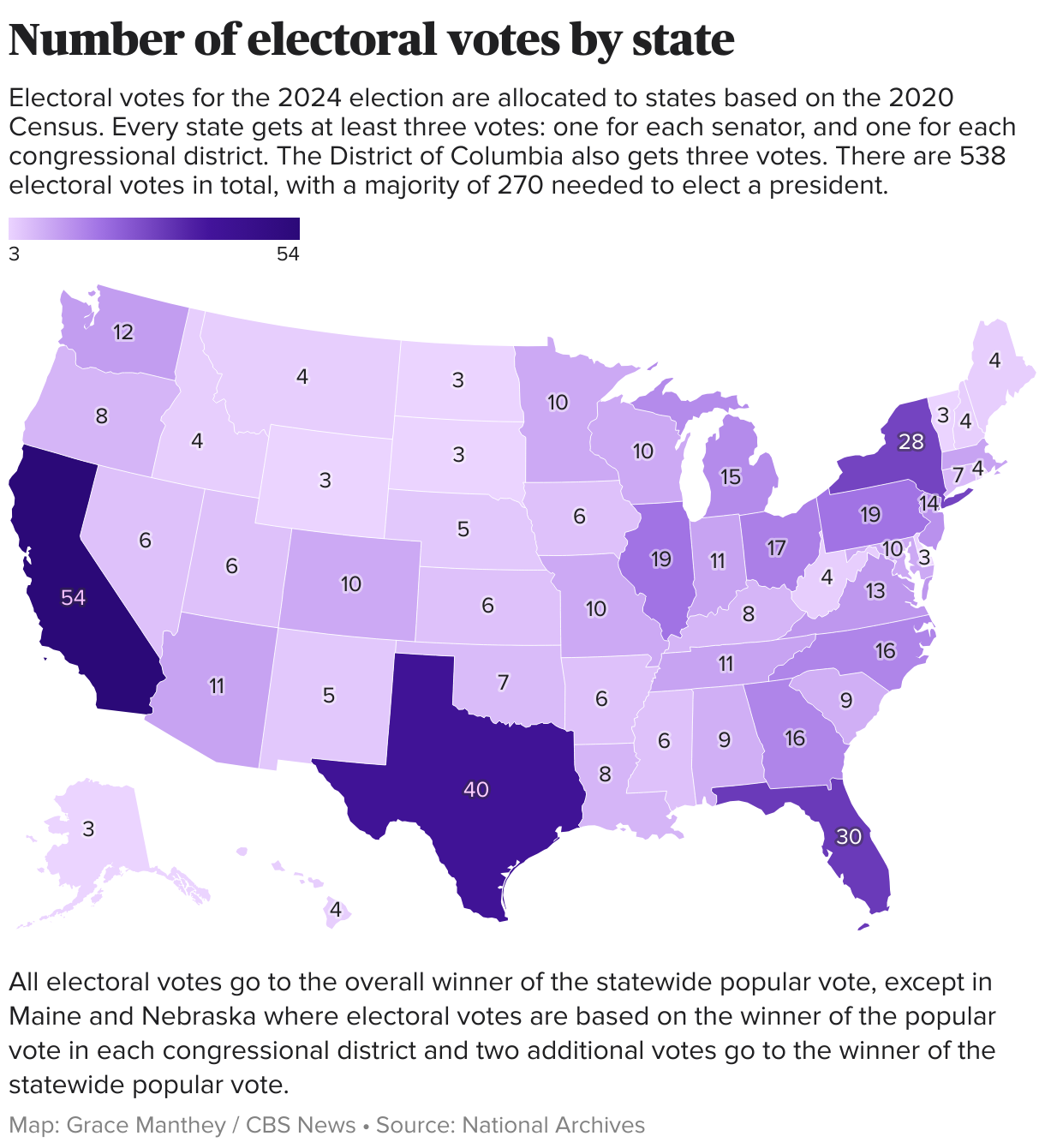
The number of electoral votes assigned to any state is dictated by its total representation in Congress, which comprises both its number of senators and its number of representatives in the House. Nevada currently commands 6 electoral votes. This total is derived from its 2 constitutionally mandated senators and its 4 representatives, a number that reflects the state’s population growth over the last few decades.
Why Six Votes Carry Significant Sway
In the winner-take-all system utilized by 48 of the 50 states, the 6 electoral votes of Nevada are awarded in their entirety to the candidate who secures the popular vote within the state. Because these 6 votes often act as a tipping point in razor-thin national margins, campaigns invest heavily in the region. Unlike states that are reliably “red” or “blue,” Nevada possesses a unique demographic composition that prevents either major political party from taking its support for granted.
The Role of Population Dynamics
The census data plays a crucial role in how many votes a state receives. As Nevada continues to attract new residents—drawn by the economic opportunities in Las Vegas and the high quality of life in places like Reno—the state’s influence on the national stage has seen a steady upward trajectory. If the census continues to track significant growth in the metropolitan areas of Clark County, it is possible that the state could gain additional seats in the House of Representatives, thereby increasing its electoral vote count in future decades.
A Landscape of Political Transformation
The electoral character of Nevada is inseparable from its physical and cultural geography. The state is a land of extremes, ranging from the neon-lit entertainment capital of the world to the rugged, high-desert wilderness of the Great Basin.
The Urban-Rural Divide
The political engine of the state is heavily concentrated in Las Vegas and the surrounding urban areas. This is where the majority of the population resides, and consequently, it is where the majority of the electoral votes are won or lost. Conversely, the vast rural expanses of Nevada hold a different political ideology. These sparsely populated counties often favor traditionalist policies, creating a stark contrast to the rapidly diversifying and more progressive-leaning populations found in Henderson or North Las Vegas.

Tourism and the Service Economy
Because Nevada relies so heavily on tourism and hospitality—centered around the world-famous Las Vegas Strip—the economic concerns of the average voter are often linked to global travel trends and the health of the service industry. Policies regarding labor, gaming regulations, and public health infrastructure are not just local issues; they are paramount to the state’s identity. Candidates who succeed in capturing the 6 electoral votes must demonstrate a firm grasp on the challenges faced by service workers, hotel staff, and the hospitality executives who drive the regional economy.
Geography and the Gateway to the West
Beyond its role in the ballot box, Nevada serves as a geographic pillar of the Western United States. Its location between the Sierra Nevada mountains and the vast plains to the east has historically made it a crossroads for migration and development.
Environmental Stewardship and Political Policy
The state’s geography, defined by arid basins and beautiful mountain ranges like the Ruby Mountains, influences local political debates. Water rights, land management, and renewable energy production are significant topics that shape the state’s legislative environment. Politicians hoping to win over the Nevada electorate must navigate the delicate balance between industrial expansion and the preservation of the state’s stunning natural landmarks, such as Valley of Fire State Park or the iconic Red Rock Canyon.
Infrastructure and Urban Growth
The growth of Reno, often referred to as “The Biggest Little City in the World,” has mirrored the tech-driven expansion seen in other parts of the American West. As infrastructure demands rise, from public transport systems to energy grid modernization, these local needs influence how the state’s 6 electoral votes are viewed by national parties. The state is no longer just a destination for gaming; it is an emerging hub for technology, manufacturing, and logistics.
Looking Toward the Future of the Silver State
The significance of the 6 electoral votes held by Nevada is unlikely to diminish. As the state continues to act as a bellwether for the broader United States, it remains a focal point for national strategy.
The Power of the Independent Voter
One of the most unique aspects of the Nevada political landscape is its high number of registered non-partisan or independent voters. This demographic is notoriously difficult to poll and often makes the final outcome of the presidential race unpredictable until the final ballots are counted. This independence is perhaps a reflection of the Nevada spirit—a mindset rooted in individual liberty, resilience, and a frontier mentality that defies easy categorization.

Staying Informed on the Ballot
For those interested in the intricacies of the American democratic process, observing Nevada provides a front-row seat to how demographics, economic shifts, and geography coalesce to create political power. Whether it is the influence of Washoe County or the political weight of the labor unions in the south, the state proves that even with only 6 electoral votes, its impact is profound.
The narrative of Nevada is one of constant reinvention. From its history as a mining center to its current status as a global tourism leader and a critical political battleground, the state remains a central character in the American story. As voters look ahead to future cycles, the math of the Electoral College will always ensure that the voices of this desert state are heard loud and clear on the national stage. Whether you are traveling through the Mojave Desert or studying the impact of the Colorado River on regional growth, you are witnessing the forces that continue to shape one of the most vital states in the North American continent.
LifeOutOfTheBox is a participant in the Amazon Services LLC Associates Program, an affiliate advertising program designed to provide a means for sites to earn advertising fees by advertising and linking to Amazon.com. Amazon, the Amazon logo, AmazonSupply, and the AmazonSupply logo are trademarks of Amazon.com, Inc. or its affiliates. As an Amazon Associate we earn affiliate commissions from qualifying purchases.