
The real estate market in Nevada offers a unique landscape for aspiring professionals. Whether you are looking to facilitate transactions for luxury vacation homes near Lake Tahoe or navigate the high-stakes commercial property sector in Las Vegas, obtaining a license is the first step toward a lucrative career. Because the state regulates real estate strictly to protect consumers, the path to licensure is structured, rigorous, and rewarding for those dedicated to the profession.
Understanding the Legal Requirements and Prerequisites
Before diving into the curriculum, candidates must ensure they meet the basic eligibility criteria set forth by the Nevada Real Estate Division. The state maintains high standards to ensure that all agents operating within the region are knowledgeable and ethically sound.
Age and Background Qualifications
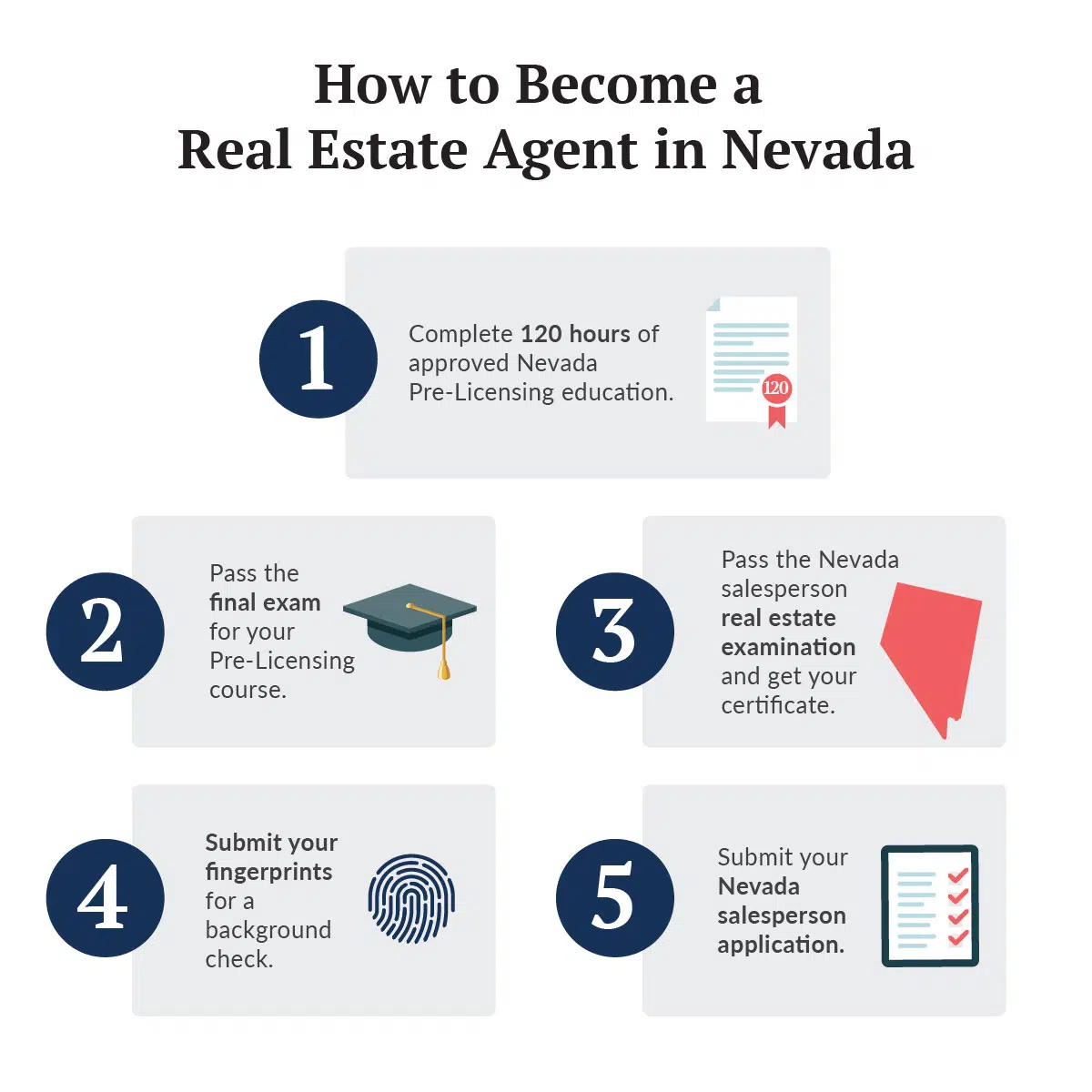
To begin the process, you must be at least 18 years of age. While you do not need to be a resident of Nevada, you must provide proof of identity and complete a fingerprint-based background check. This background check is non-negotiable; the division reviews your history for any disqualifying criminal offenses that might prevent you from obtaining a license.
Education and Pre-Licensing Credit
The cornerstone of your preparation is the 120-hour pre-licensing education course. This coursework is designed to cover the fundamental principles of real estate, state law, contracts, agency relationships, and property management. It is vital that you enroll in a school accredited by the state. You will spend significant time learning about the nuances of Clark County property tax laws, zoning regulations, and the specific disclosure requirements that define the local industry.
Navigating the Examination Process
Once you have completed your 120 hours of education, you are eligible to sit for the state-proctored examination. This is often cited as the most daunting part of the journey, but with adequate preparation, it is entirely manageable.
The Two-Part Examination Structure
The exam is divided into two sections: the national portion and the state-specific portion. The national portion tests your general knowledge of real estate concepts, such as deeds, mortgages, and fair housing laws. The state portion is where you demonstrate your understanding of Nevada law, including the specific statutes found in the Nevada Revised Statutes (NRS) Chapter 645.
Many candidates find that studying for both sections simultaneously is beneficial. You will need to achieve a passing score on both parts to progress to the licensing phase. If you fail one section, you are typically only required to retake the portion you did not pass, provided you do so within a specific timeframe.
Strategic Test Preparation
Utilizing study guides and practice exams is highly recommended. Many successful candidates form study groups or utilize online platforms that simulate the testing environment. Because the Las Vegas market is fast-paced, the exam often includes questions that reflect the high volume of transactions, investment properties, and short-term rental regulations relevant to the local economy.

Securing a Brokerage and Finalizing Licensure
Passing the exam is a major milestone, but it does not automatically grant you the title of a Real Estate Agent. In Nevada, you are legally required to operate under the supervision of a licensed real estate broker.
Choosing the Right Brokerage
Your choice of brokerage will influence the early stages of your career. When interviewing with brokers, consider the following:
- Training and Mentorship: Look for firms that offer robust onboarding programs for new agents.
- Commission Structure: Understand how the office splits commissions and whether there are desk fees or monthly charges.
- Market Focus: Decide if you want to focus on residential properties in Henderson, luxury resorts near Red Rock Canyon, or commercial warehouses in the industrial districts.
The Application and Licensing Fees
Once you have secured an agreement with a sponsoring broker, you must submit your application to the Nevada Real Estate Division. This application includes your certificate of education, your exam results, and the required licensing fees. Once the division reviews and approves your submission, your license will be issued.
It is important to note that your initial license is considered “active” only when it is associated with a broker. From this point forward, you are a licensed professional ready to participate in the vibrant real estate market of Nevada.
Maintaining Your Professional Standing
Licensure is only the beginning. The real estate industry is constantly evolving, and Nevada law requires licensees to keep up with these changes to protect the public interest.
Post-Licensing Education
New licensees are generally required to complete post-licensing education within their first year of being licensed. This ensures that you move beyond theoretical knowledge and begin to apply practical, current standards to your day-to-day work. This education often covers agency duties, contract writing, and the ethical implications of real estate practice.
Continuing Education and Renewals
To keep your license current, you will need to complete mandatory Continuing Education (CE) credits every two years. The industry in areas like Reno and the wider Nevada region changes rapidly due to urban development and shifting demographics. Staying educated on these trends—such as the impact of Hoover Dam infrastructure projects or tourism-driven demand—will keep you competitive.

Ethics and Networking
Beyond the legal requirements, success in the Nevada market relies on your reputation. Joining local real estate boards and networking with other professionals provides a safety net and a fountain of resources. Whether you are operating in the heart of The Strip or in the quiet suburban neighborhoods of Summerlin, building a network is essential.
The path to getting a real estate license in Nevada requires discipline and a commitment to lifelong learning. By following the state-mandated steps—pre-licensing education, examination, finding the right mentor, and maintaining your professional standards—you position yourself to build a successful and sustainable career in one of the most dynamic states for real estate development. The combination of local culture, tourism influence, and economic growth makes Nevada an unparalleled place for real estate professionals to thrive.
LifeOutOfTheBox is a participant in the Amazon Services LLC Associates Program, an affiliate advertising program designed to provide a means for sites to earn advertising fees by advertising and linking to Amazon.com. Amazon, the Amazon logo, AmazonSupply, and the AmazonSupply logo are trademarks of Amazon.com, Inc. or its affiliates. As an Amazon Associate we earn affiliate commissions from qualifying purchases.