
For many couples planning a destination wedding or a romantic getaway, Nevada often sits at the top of the list. Known globally for the neon allure of Las Vegas and the rugged, natural beauty of the Mojave Desert, the Silver State has long been a sanctuary for those looking to tie the knot quickly and conveniently. However, amid the excitement of wedding chapels and luxury resorts, a common legal question frequently surfaces: Is Nevada a common law marriage state?
Understanding the legal landscape of the state is essential for travelers who may be moving, cohabitating, or considering the legal implications of their long-term partnership while visiting or residing in this iconic American destination.

The Legal Reality of Common Law Marriage in Nevada
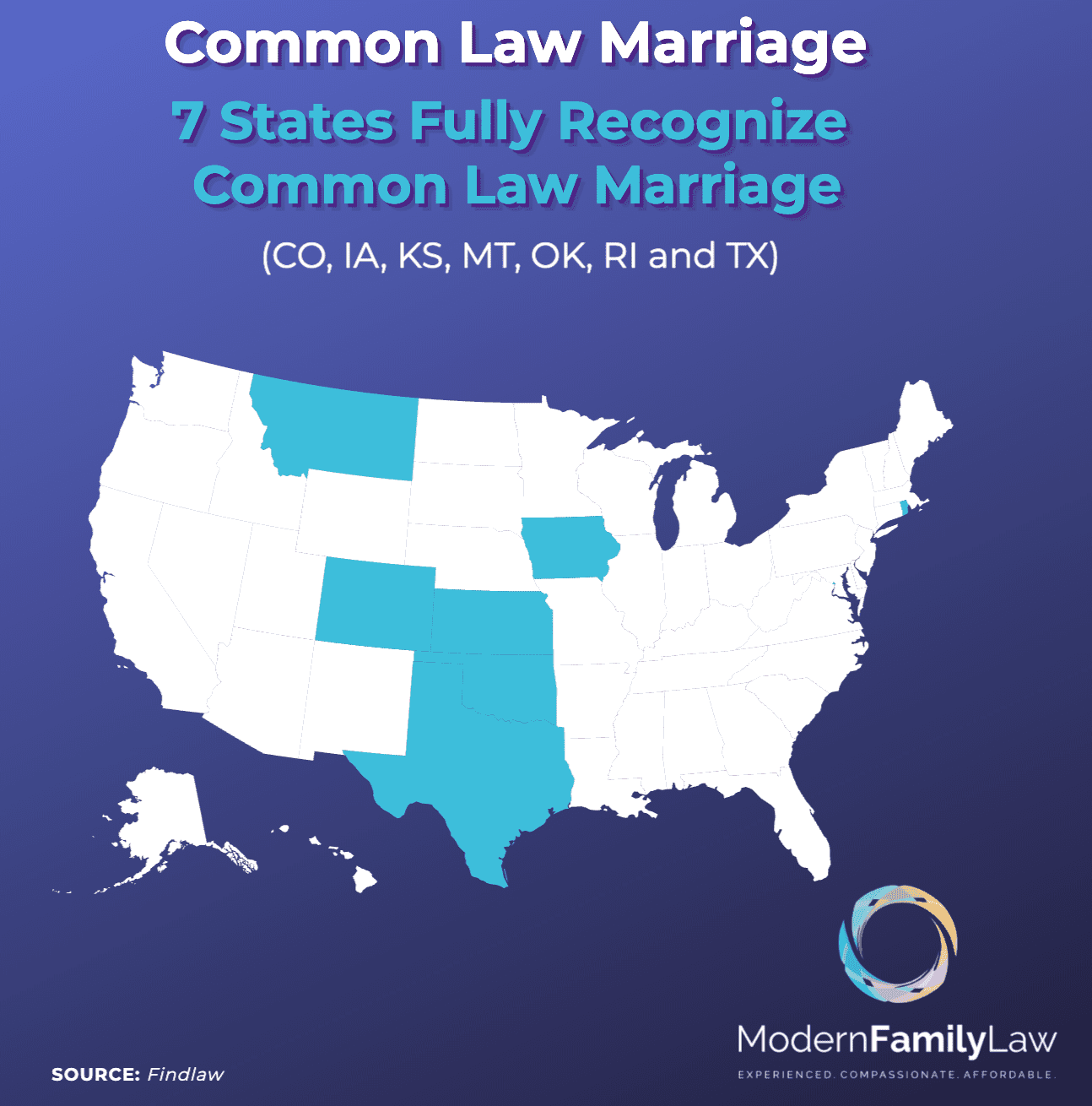
To put it simply: no, Nevada is not a common law marriage state. Unlike a handful of other jurisdictions in the United States that recognize couples as legally married simply because they have lived together for a specific period and presented themselves to the community as spouses, Nevada strictly requires a formal process.
The Requirement for Formal Solemnization
In Nevada, for a marriage to be considered legally valid, the couple must obtain a marriage license from a county clerk’s office and undergo a solemnization ceremony performed by a person authorized by law, such as a judge or an ordained minister. This process is the cornerstone of Nevada family law. Without the marriage certificate issued by the state, the legal rights and responsibilities typically afforded to married couples—such as inheritance rights, tax filing benefits, and medical decision-making authority—do not automatically attach to the relationship, regardless of how long the partners have lived together or whether they identify as a married couple to friends and family.
Recognition of Out-of-State Common Law Marriages
While Nevada does not permit couples to enter into a common law marriage within its borders, it does operate under the “Full Faith and Credit” clause of the United States Constitution. This means that if a couple legally entered into a common law marriage in a state where it is recognized—such as Colorado or Texas—and then moved to Nevada, the state will typically recognize that marriage as valid. Travelers and residents alike should be aware that the legality of their union is tied to the jurisdiction where the marriage was originally established, rather than the state in which they currently reside.
Why Nevada Remains a Top Wedding Destination
Even though Nevada does not recognize common law marriage, it remains one of the most popular places in the world to get legally married. The state has streamlined the process to such a degree that it has become synonymous with easy and accessible nuptials. Whether couples are looking for a lavish ceremony at a high-end property like the Bellagio Hotel or an intimate elopement, the state provides an unparalleled infrastructure for marriage.
The Accessibility of Marriage Licenses
Nevada is famous for its “no waiting period” policy. Couples can arrive in Las Vegas and walk out with a marriage license the same day, provided they have the necessary identification and payment. This convenience, combined with the lack of blood tests and complicated bureaucratic requirements found in other states, makes Nevada a premier choice for domestic and international travelers alike.
A Spectrum of Wedding Experiences
The variety of wedding experiences in Nevada is vast. Beyond the classic, kitschy neon-lit chapels found in Downtown Las Vegas, there is a significant market for luxury weddings. From grand ballrooms at the Caesars Palace to serene, nature-inspired ceremonies near Red Rock Canyon, the state caters to every aesthetic. Couples can choose between the high-energy atmosphere of the Las Vegas Strip or the quiet, majestic backdrop of Lake Tahoe in the northern part of the state, ensuring that their formal marriage ceremony is as unique as their relationship.
Protecting Partners in a Non-Common Law State
Since Nevada does not grant legal protections to unmarried cohabitants, it is vital for long-term partners living together in the state to be proactive. Without a formal marriage, partners do not have the same automatic protections that exist in many other countries or under specific domestic partnership statutes.
Legal Documents and Estate Planning
Because Nevada does not equate cohabitation with marriage, couples who wish to ensure their partners are protected should consider drafting legal documents. This includes:
- Powers of Attorney: Allowing partners to make medical or financial decisions for one another in the event of an emergency.
- Wills and Trusts: Ensuring that assets are transferred to the surviving partner, as there is no automatic right to inheritance for unmarried cohabitants.
- Cohabitation Agreements: A written contract that outlines how property, debts, and finances will be handled if the couple decides to separate, providing clarity and legal recourse that “common law” might otherwise provide in other jurisdictions.
Understanding the Risks of Assumptions
One of the most common pitfalls for couples relocating to Nevada is the assumption that their previous “common law” status or simply the length of their relationship will afford them rights in court. In the event of a separation, if there is no legal marriage and no written agreement, each person generally retains the assets and debts they acquired individually. Relying on the idea of common law can lead to significant financial and emotional complications, making it essential for long-term partners to understand that, in the eyes of Nevada law, the status of the relationship is treated strictly as “unmarried.”

Planning Your Future in the Silver State
If you are traveling to or settling in Nevada, the legal reality is clear: the state prioritizes formal documentation over informal domestic arrangements. Whether you are visiting for a destination wedding or moving your life to this vibrant state, the lack of common law marriage status is a simple factor to navigate if you are well-informed.
Nevada remains a place of immense freedom and opportunity. For those who choose to formalize their commitment, the state offers a seamless, celebratory, and legally binding path. For those who choose not to marry, the state provides a landscape where individual autonomy is protected by clear legal boundaries. By understanding these rules, travelers and residents can focus on what truly matters: enjoying the beauty of the Western United States and building a future based on deliberate, informed choices rather than legal assumptions. Whether you find yourself admiring the architecture of the Venetian Resort or hiking the trails of Valley of Fire State Park, knowing the lay of the land ensures that your time in Nevada remains focused on the experiences that brought you here in the first place.
LifeOutOfTheBox is a participant in the Amazon Services LLC Associates Program, an affiliate advertising program designed to provide a means for sites to earn advertising fees by advertising and linking to Amazon.com. Amazon, the Amazon logo, AmazonSupply, and the AmazonSupply logo are trademarks of Amazon.com, Inc. or its affiliates. As an Amazon Associate we earn affiliate commissions from qualifying purchases.