
When travelers, digital nomads, or those considering a permanent relocation to the Silver State plan their journey, they often find themselves navigating a sea of complex terminology. While the question of whether Nevada is a “common law” state is frequently asked in the context of legal property rights or domestic partnerships, for the visitor and the long-term resident alike, understanding the regulatory landscape of the region is essential. Whether you are exploring the neon-lit corridors of Las Vegas or seeking a quiet retreat in the high deserts of Reno, knowing the local framework—and how it dictates everything from property ownership to residency requirements—enriches the experience of living and vacationing in this unique American state.
The Legal Landscape of the Silver State
To understand Nevada as a jurisdiction, one must distinguish between its foundational legal roots and the way it handles civil and domestic matters. While the United States at large follows a system derived from English common law, Nevada has specific nuances that differentiate it from other jurisdictions, particularly when it comes to the classification of property and the recognition of relationships.
Distinguishing Common Law Marriage
One of the most persistent myths regarding Nevada law concerns “common law marriage.” Many travelers assume that by staying together for a certain period in a destination like Lake Tahoe or Henderson, they might inadvertently enter a legal union. However, Nevada does not recognize common law marriage. Unlike states that allow for a marriage to be established through cohabitation and public representation as a couple, Nevada requires a formal marriage license and a ceremony performed by an authorized person. This distinction is vital for long-term visitors, digital nomads, and expats planning to settle in the area, as it dictates how assets are managed and how legal rights are asserted during their stay.
Community Property vs. Separate Property
When discussing the legal structure of Nevada, it is impossible to ignore the community property doctrine. Nevada is one of the few states in the U.S. that follows community property laws. This means that property acquired during a marriage is generally considered to be owned equally by both spouses, regardless of whose name is on the title. For those visiting or relocating to major hubs like Carson City, this framework is a significant departure from the equitable distribution models found in common law states elsewhere in the country.
The Impact on Tourists and Long-term Residents
For those simply passing through, the intricacies of state law might seem distant. However, the legal environment of Nevada influences the tourism industry in subtle, profound ways. From the way resorts manage guest property to the regulations governing local businesses, the “Nevada way” of doing things creates an atmosphere that is uniquely pro-business and distinctively flexible.
Navigating Business and Residency
Many individuals find themselves drawn to the state due to its favorable tax policies and lack of corporate income tax. Whether you are a solo entrepreneur operating out of a co-working space in Summerlin or a family establishing a second home near the Valley of Fire State Park, the state’s legal clarity provides a level of security. Because Nevada does not rely on common law marriage for inheritance or property rights, residents often rely on robust estate planning, trusts, and formal contracts to secure their futures. This proactive legal culture is a hallmark of the American West.
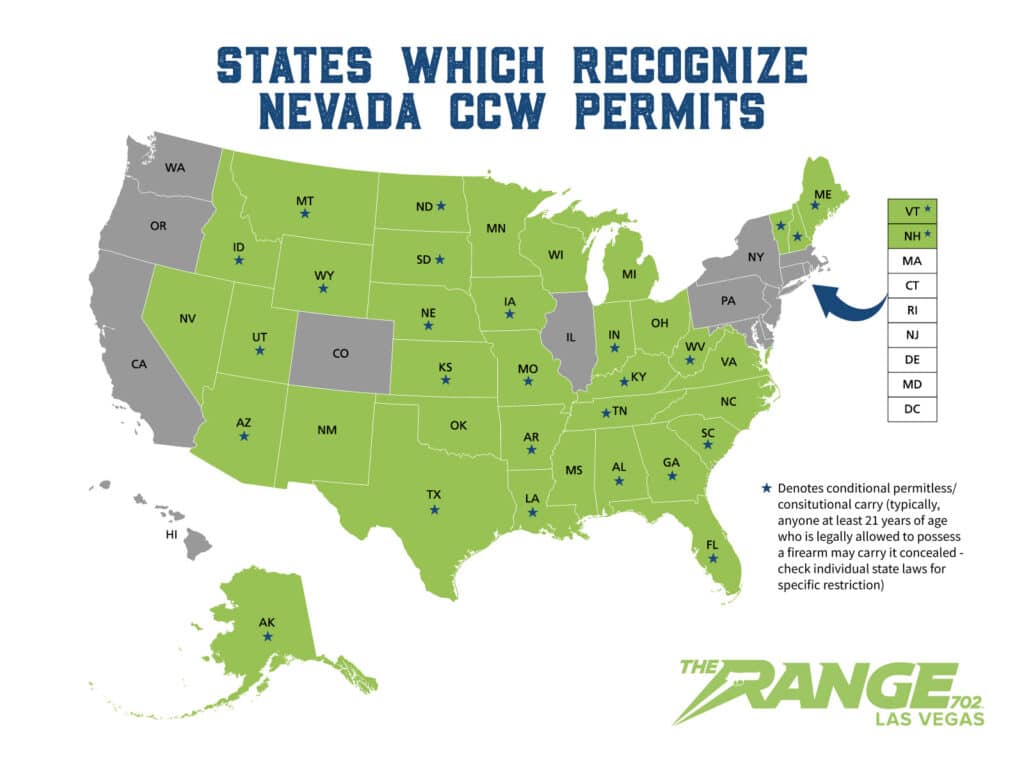
The Role of Regulatory Stability in Tourism
The state’s approach to regulation—preferring written, codified law over traditional common law evolution—extends into the tourism and hospitality sectors. Because Nevada creates clear, statutory definitions for everything from hotel operations to gaming regulations, tourists benefit from a high degree of predictability. When you check into a resort at Red Rock Canyon or book an experience in Elko, you are protected by a system that prioritizes established, public statutes over ambiguous, historical precedent. This stability is why Nevada remains a world-class destination for conventions, weddings, and high-end retreats.
Understanding the “Nevada Experience” through Legal Context
Legal frameworks are the silent architecture of our travels. When we visit iconic sites like the Hoover Dam or hike through the rugged landscapes of the Great Basin National Park, we rarely think about the legal heritage of the soil beneath our feet. Yet, the way Nevada manages its land, resources, and civic duties informs the very nature of the state’s culture.
A Culture of Individualism and Formality
Nevada has long been known as a place of reinvention. Its legal system reflects this; it is a place where you are expected to take responsibility for your own affairs, clearly defined by contract and statute rather than the social assumptions that often permeate older, common law states. This “clean slate” approach is part of what makes Nevada feel so liberating for those who visit. Whether you are traveling for a week of luxury in Boulder City or exploring the historic mining towns of Virginia City, there is a sense that the state offers a modern, transparent environment in which to conduct one’s life.
Practical Tips for the Modern Traveler
If you are planning an extended trip or a relocation to Nevada, keep these legal realities in mind:
- Documentation is Key: Because there is no common law marriage, ensure that your legal documents—such as powers of attorney, healthcare directives, and wills—are updated and in compliance with state statutes.
- Understand Property Ownership: If you are purchasing a vacation home in Primm or Mesquite, be aware that community property laws will affect how title is held and how the property is transferred upon death.
- Respect the Statute: Nevada thrives on explicit rules. Whether it relates to business permits or local tourism bylaws, follow the written code of the city and state, which you will find to be generally accessible and straightforward.
- Embrace the Freedom: The absence of archaic common law traditions often means that the state is more responsive to modern needs. Whether you are an international traveler or a domestic tourist, you will find that the regulatory atmosphere is designed to facilitate ease and accessibility.
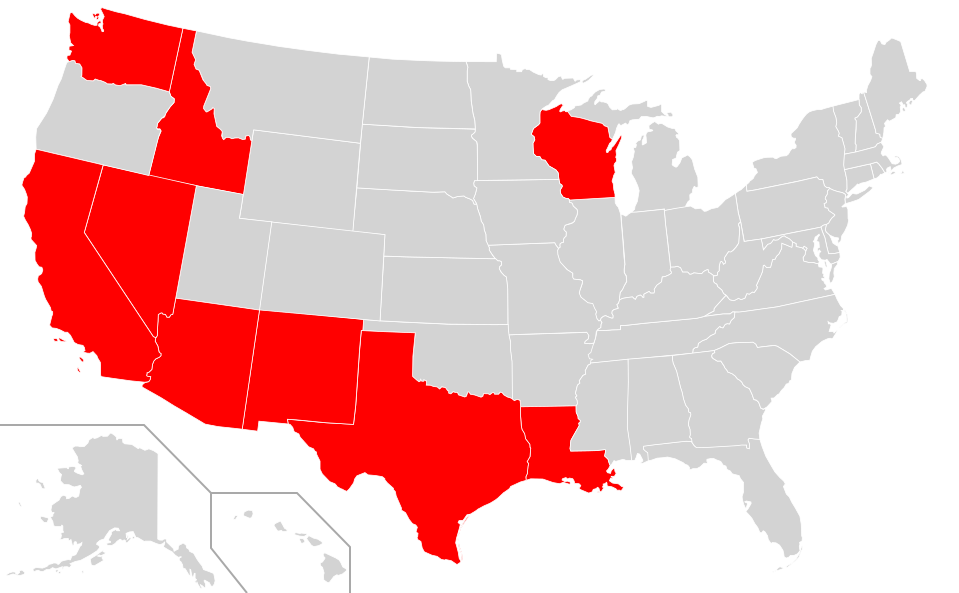
Conclusion: The Clarity of the Silver State
Ultimately, while the question “Is Nevada a common law state?” has a nuanced answer, the reality for the traveler is one of clarity and opportunity. By stepping away from the murky waters of judge-made common law in favor of a robust, statutory framework, Nevada has positioned itself as a modern, efficient, and welcoming state.
Whether you are here to experience the nightlife of The Strip, to participate in the thriving outdoor culture of Mount Charleston, or to conduct business in the heart of the Mojave Desert, you are interacting with a state that values precision. For the visitor, this means less ambiguity and more time to focus on the spectacular vistas, world-class amenities, and the vibrant local culture that defines the United States. When you choose to travel to or settle in this unique corner of the Western United States, you are choosing a destination that works as hard for its residents as it does for its guests, ensuring that your stay is grounded in solid, reliable, and well-defined principles.
LifeOutOfTheBox is a participant in the Amazon Services LLC Associates Program, an affiliate advertising program designed to provide a means for sites to earn advertising fees by advertising and linking to Amazon.com. Amazon, the Amazon logo, AmazonSupply, and the AmazonSupply logo are trademarks of Amazon.com, Inc. or its affiliates. As an Amazon Associate we earn affiliate commissions from qualifying purchases.