
Navigating the administrative landscape of the Silver State requires a blend of preparation and patience. Whether you are a new resident settling into the vibrant rhythm of Las Vegas or a long-time local purchasing a new vehicle, understanding the Nevada Department of Motor Vehicles (DMV) requirements is a fundamental aspect of the “Tourism and Local Life” experience. Owning a vehicle in Nevada is your ticket to exploring everything from the neon-lit Las Vegas Strip to the serene, red-rock expanses of Red Rock Canyon. To ensure your transition from a non-resident to a compliant motorist is seamless, you must familiarize yourself with the specific documentation and safety protocols mandated by state law.
The Essential Documentation for New Residents
When you move to Nevada, state law mandates that you register your vehicle within 30 days of establishing residency. This transition process is designed to ensure that all vehicles traversing the highways near Lake Mead or through the high desert of Reno meet strict safety and environmental standards.
Proof of Ownership and Identification
The foundation of your registration application rests on proving that you own the vehicle and have the right to operate it. You will need to provide:
- Current Out-of-State Registration: This serves as the primary proof of your vehicle’s current standing in your previous state of residence.
- Proof of Insurance: Nevada maintains strict financial responsibility laws. You must provide evidence of an insurance policy issued by a carrier licensed to do business in the state, meeting minimum liability coverage requirements.
- Proof of Identity: A valid United States driver’s license or identification card is required. If your out-of-state license has not yet been converted to a Nevada license, you will typically need to complete the licensing process in tandem with the vehicle registration.
The Vehicle Identification Number (VIN) Inspection
Unlike many other states, Nevada requires a physical inspection of your vehicle to verify its VIN. This is not merely a formality; it is an anti-theft measure that ensures the vehicle identification number on your title matches the physical plate on your dashboard and chassis. You can have this inspection performed at any Nevada DMV office or by a law enforcement officer. For those planning a road trip to Valley of Fire State Park, ensuring your VIN is correctly recorded is a critical step in maintaining your legal standing on the open road.
Emission Testing and Environmental Compliance
Nevada places a significant emphasis on air quality, particularly in the urban basins surrounding Las Vegas and Reno. Before you can finalize your registration, your vehicle must pass an emission inspection, often referred to as a “Smog Check.”
Understanding the Emission Check Requirements
The requirement for an emission test is generally dictated by the county in which you reside. In Clark County and Washoe County, the vast majority of gasoline-powered vehicles are required to pass an annual or biennial inspection. This test ensures that your vehicle’s exhaust output falls within the parameters established to protect the air quality of the Mojave Desert.

Exceptions and Exemptions
While most vehicles require testing, there are notable exceptions:
- New Vehicles: Brand new vehicles are typically exempt from emission testing for their first two model years.
- Hybrid and Electric Vehicles: Certain low-emission or zero-emission vehicles may receive specific exemptions or testing waivers.
- Classic Vehicles: If you are driving a vintage vehicle restored to showcase the history of Nevada, you may qualify for specialized classic car registration, which often comes with its own set of testing bypasses, provided usage is restricted.
Financial Requirements: Fees and Taxes
Registration is not just about paperwork; it is a significant financial commitment toward the state’s infrastructure. The cost of registering your vehicle in Nevada is primarily comprised of a Governmental Services Tax (GST) and a smaller, fixed registration fee.
The Governmental Services Tax (GST)
The GST is a valuation-based tax, meaning it is calculated based on the manufacturer’s suggested retail price (MSRP) of the vehicle, adjusted by a depreciation schedule. This tax is the primary funding mechanism for public services across Nevada, supporting everything from road maintenance near Carson City to public safety initiatives.
Payment Methods and Registration Renewal
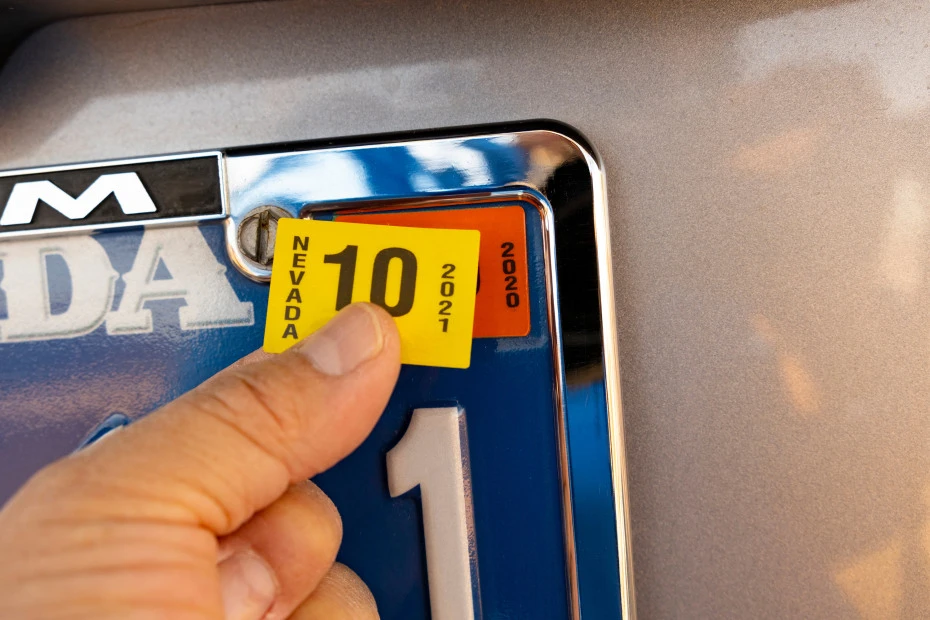
The DMV accepts various forms of payment, including credit cards, checks, and money orders. Once your initial registration is processed, you will receive your license plates and a decal. Future renewals can often be handled via the DMV’s online portal or through self-service kiosks located in many Nevada retail centers. Staying on top of your renewal dates is essential to avoid late penalties, especially if you intend to frequent the scenic routes leading to Great Basin National Park.
Tips for a Stress-Free DMV Experience
The DMV is frequently associated with long lines and complex requirements. However, by adopting a strategic approach, you can navigate the system with relative ease.
Appointment Scheduling
The most effective way to register your car is to book an appointment online well in advance. Nevada offers an extensive digital infrastructure, allowing residents to complete much of their paperwork beforehand. Printing and organizing your documentation—including your title, insurance card, and VIN inspection report—before you step foot in the building will significantly decrease your processing time.
Utilizing DMV Kiosks
For those who have already established their residency, the DMV Kiosk program is a game-changer. Located in various supermarkets and shopping hubs, these kiosks allow you to renew your registration and print your new decal instantly. This convenience is a boon for busy locals who prefer to spend their weekends visiting the Hoover Dam rather than standing in line.
Navigating Special Circumstances
If you are buying a car from a private party, ensure you have a notarized Bill of Sale. If the vehicle is financed, you must obtain the title information from your lender. Because Nevada has specific laws regarding lienholders, verifying this information early in the process prevents costly delays. By following these professional guidelines, you ensure that your vehicle remains compliant with state regulations, allowing you to fully enjoy the freedom of driving through the unique landscapes and cultural landmarks that define Nevada. Whether you are embarking on a high-stakes weekend in the Las Vegas casinos or a quiet retreat into the mountains of Mount Charleston, having your registration in order is the first step toward a worry-free journey.
LifeOutOfTheBox is a participant in the Amazon Services LLC Associates Program, an affiliate advertising program designed to provide a means for sites to earn advertising fees by advertising and linking to Amazon.com. Amazon, the Amazon logo, AmazonSupply, and the AmazonSupply logo are trademarks of Amazon.com, Inc. or its affiliates. As an Amazon Associate we earn affiliate commissions from qualifying purchases.