
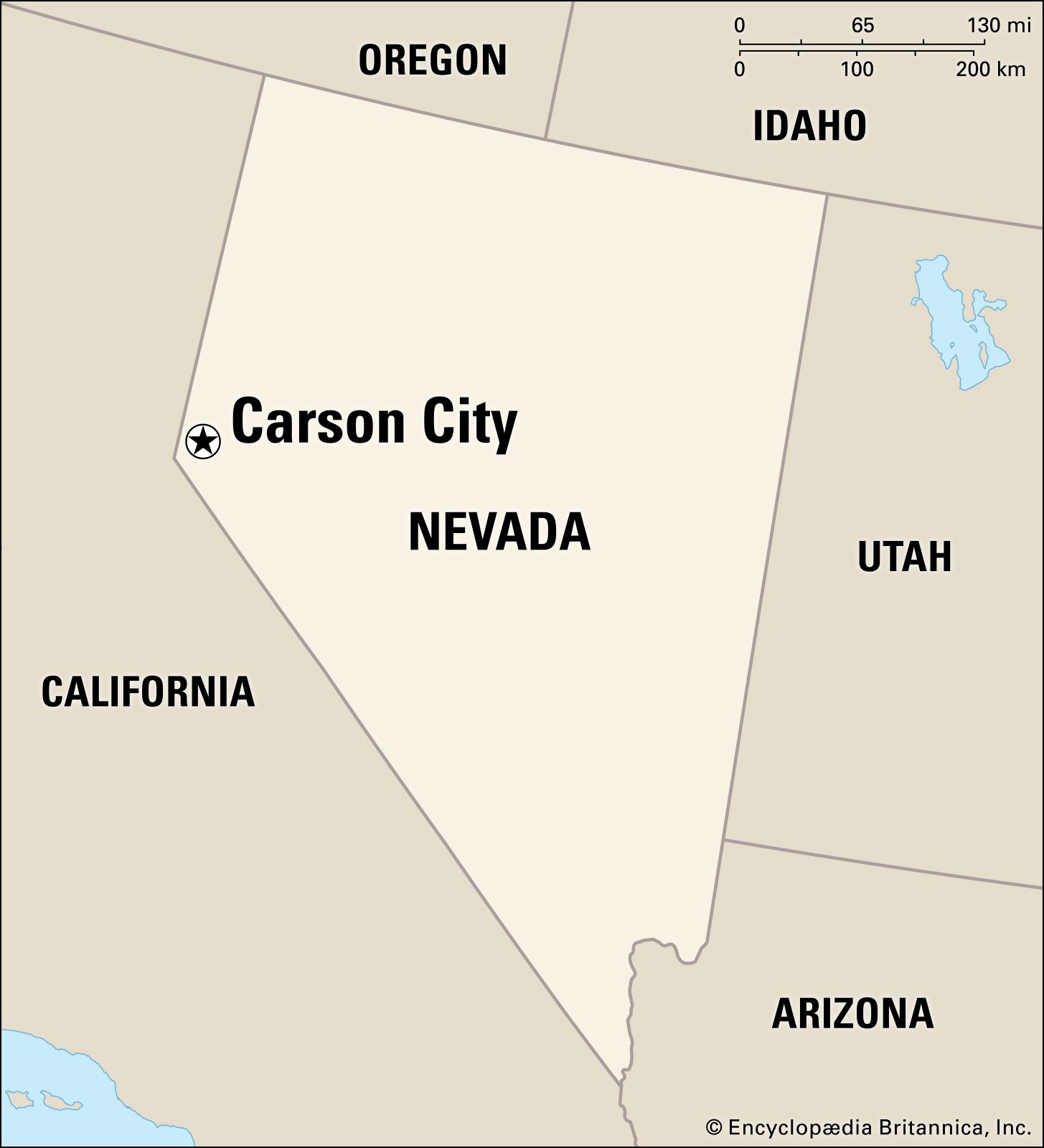
When travelers and historians look at the map of Nevada, they are often struck by a geographic anomaly: Carson City. Unlike the traditional county-based administrative structure found in most of the United States, this capital city occupies a unique legal and geographical space. It is an independent city, meaning it functions as both a municipal government and a county-level entity. Understanding the identity of this region requires a deep dive into the history, the legal framework, and the unique cultural fabric that separates it from the sprawling rural counties that surround it.

The Unique Status of an Independent City
The primary confusion regarding the “County of Carson City” stems from its consolidation. In 1969, the Nevada Legislature passed an act that consolidated the former city of Carson City with Ormsby County. This legislative maneuver effectively dissolved the county structure and merged the municipal and county governments into a single consolidated municipality.
Why Consolidation Matters
This structural change was designed to streamline governance. Because Carson City serves as the state capital, it required a more efficient administrative apparatus than a typical rural county. By eliminating the redundancy of two separate governments—the city and the county—the region was able to consolidate tax bases, public works departments, and legal oversight. Today, when people ask about the “county,” they are technically referring to the consolidated municipality that functions as the legal equivalent of a county under state law.
Geographic Boundaries and Context
The region is nestled at the base of the Sierra Nevada mountains. To its west lies the famous Lake Tahoe basin, and to its east are the arid stretches of the Great Basin. Because it is not part of any other county, it maintains its own distinct boundaries, roughly 145 square miles, acting as a bridge between the high-altitude recreation areas of the mountains and the high-desert landscapes of Northern Nevada.
A Legacy Etched in History
The identity of Carson City is inextricably linked to the boom-and-bust cycles of the American West. Its history is not just about local administration; it is a story of silver, gold, and the establishment of a state during the Civil War.
The Comstock Lode Influence
The discovery of the Comstock Lode in nearby Virginia City was the catalyst for the region’s development. As silver flowed from the mines, the need for a central administrative and transportation hub became apparent. Carson City was founded in 1858 and named after the famous scout Kit Carson. It quickly became a vital stop for the Pony Express and later a critical node for the Virginia and Truckee Railroad.
Architecture and Preservation
The history of this “county” is visible in its architecture. The Nevada State Capitol building, constructed in 1871, serves as the centerpiece of the historic downtown. Unlike the flashier, modern structures found in Las Vegas, the buildings here reflect the Victorian and Classical Revival styles of the late 19th century. Walking through the Kit Carson Trail, one can see the preserved homes of early mining magnates and political figures, offering a window into a time when this region was the primary engine of the state’s economy.
Tourism and Cultural Identity
Beyond its administrative status, the area acts as a gateway for travelers seeking a more nuanced Nevada experience. It manages to balance its role as a quiet, professional seat of government with its status as a vibrant hub for outdoor enthusiasts and history buffs.
The Intersection of Government and Tourism
Because it functions as an independent entity, the municipal government has direct control over how it markets itself. The local tourism board emphasizes the city’s role as a base camp for adventure. Travelers often use the city as a central location to explore the Eastern Sierra, taking advantage of lower lodging costs compared to the resorts on the shore of Lake Tahoe.
Key Attractions and Local Culture
- Nevada State Museum: Housed in the former Carson City Mint, this institution provides a comprehensive look at the geology, anthropology, and numismatic history of the region.
- Railroad Museum: This museum showcases the evolution of Western transportation, housing restored locomotives that once hauled silver and timber through the rugged mountain passes.
- Washoe Lake State Park: Located on the outskirts of the city, this park offers a different perspective on the landscape, providing opportunities for birdwatching, hiking, and water sports in a more serene, desert-adjacent setting.
The Living Experience
The culture of the region is distinctly different from the transient, resort-heavy atmosphere of Reno. As the state capital, it attracts a more stable, professional population. This has cultivated a food scene and a community environment that feels more “lived in.” From family-owned cafes in the historic district to locally sourced dining options, the area caters to those who value authentic, slow-paced exploration.
Navigating the Region as a Traveler
Understanding that Carson City is both a city and its own county helps travelers better prepare for their visit. The consolidated nature of the region means that local services—police, fire, public works, and parks—are all managed under a singular municipal umbrella.
Logistics for the Modern Visitor
- Transportation: The region is highly accessible via U.S. Route 395, which serves as the primary artery for those traveling between the Pacific Northwest and Southern Nevada.
- Lodging: Visitors will find a mix of modern boutique hotels and historic inns that have been repurposed for tourism. Because the region is the county seat, the infrastructure is robust, ensuring that amenities are never far away.
- Connectivity: The proximity to the Reno-Tahoe International Airport makes it an easy destination to reach for regional or national travelers, yet it remains far enough removed from the noise of major metropolitan hubs to offer a sense of privacy and quietude.

The Future of the Independent City
As the state of Nevada continues to grow, the importance of this unique administrative entity becomes increasingly clear. By maintaining its own identity as a consolidated city-county, it avoids the bureaucratic fragmentation that plagues many growing regions. It remains a model for how a capital city can manage its internal growth while preserving the historical and natural character that defines its borders. For the traveler, this means a destination that is not only historically significant but also logistically simple to navigate, offering a perfect blend of high-mountain recreation and deep-seated Western culture. Whether one is passing through on a road trip or staying for a week to explore the surrounding peaks, the unique status of this region ensures an experience that is unlike any other in the United States.
LifeOutOfTheBox is a participant in the Amazon Services LLC Associates Program, an affiliate advertising program designed to provide a means for sites to earn advertising fees by advertising and linking to Amazon.com. Amazon, the Amazon logo, AmazonSupply, and the AmazonSupply logo are trademarks of Amazon.com, Inc. or its affiliates. As an Amazon Associate we earn affiliate commissions from qualifying purchases.