
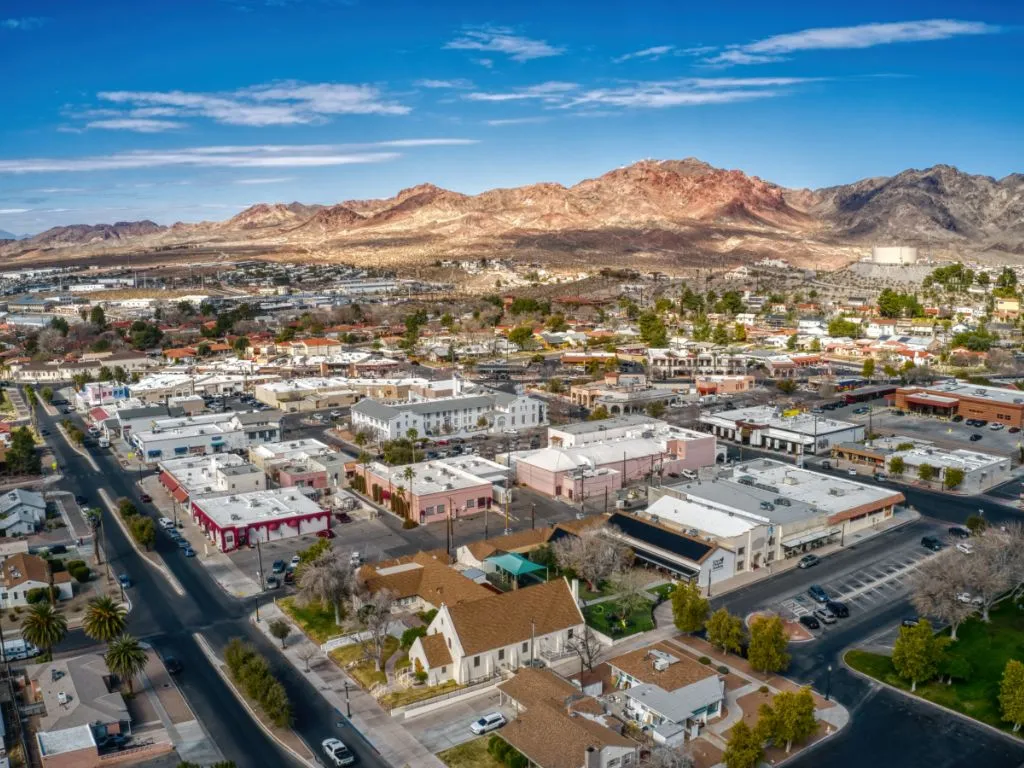
Nestled in the high desert landscape of the Mojave Desert, Boulder City occupies a unique position in the geography of the American West. While many visitors associate the region primarily with the neon lights and relentless energy of Las Vegas, Boulder City stands in stark, tranquil contrast to its famous neighbor. Located in Clark County, Nevada, the city is situated approximately 26 miles southeast of the Las Vegas Strip, making it an accessible yet worlds-away destination for those exploring the United States.
Geographic Positioning and Access
To understand where Boulder City sits, one must look at the intersection of major thoroughfares and iconic natural features. The city is strategically positioned along U.S. Route 93, a critical artery that connects the Great Basin region to the Colorado River basin. This placement historically served as the gateway for the labor force that constructed one of the most significant engineering feats of the 20th century.
Navigating the Route
For travelers arriving by air, Harry Reid International Airport in Las Vegas serves as the primary portal. From the airport, the drive to Boulder City is a straightforward journey of about 30 to 40 minutes. As travelers transition from the urban density of the Las Vegas Valley into the rolling, rocky terrain of the Eldorado Mountains, the shift in atmosphere is palpable. The route offers sweeping vistas of the arid landscape, eventually leading to the elevated plateau upon which the town was planned and constructed.
Proximity to Regional Landmarks
The city’s geography is inseparable from its proximity to major natural and structural landmarks. Most notably, it serves as the closest municipality to the Hoover Dam. This proximity defined the town’s origins and continues to influence its identity today. Beyond the dam, the town acts as a launchpad for recreational activities centered around Lake Mead, the largest reservoir in the United States by water capacity. This positioning makes the city a vital hub for visitors interested in water sports, boating, and hiking in the Lake Mead National Recreation Area.
A City Defined by Its History
Unlike many other boomtowns in the American West, Boulder City was meticulously planned. It was established in 1931 by the Bureau of Reclamation to house the workers building the Hoover Dam. This unique origin story informs its current layout and distinct character.
Planned Community Origins
The master plan for the city was designed with strict regulations and a vision of an orderly, permanent settlement. This planning has left a legacy of wide, tree-lined streets, public parks, and a lack of the sprawling gaming industry that dominates the rest of Nevada. Even today, the city maintains a charm rooted in its historic district, where architecture from the early 1930s remains well-preserved. Visitors walking through the downtown area will notice that the streetscape feels more like a small Midwestern town than a desert outpost, a testament to the vision of its federal founders.

A Unique Regulatory Landscape
One of the most defining characteristics of Boulder City is its legal status regarding gaming. While Las Vegas and Reno became synonymous with casinos, Boulder City took a different path. Gambling has been prohibited in the city since its inception, and this ban remains in effect today. This choice has allowed the community to cultivate an identity centered on outdoor recreation, arts, antique shopping, and local history, offering a quiet, family-friendly alternative to the high-stakes environment found elsewhere in the state.
Natural Surroundings and Outdoor Recreation
Because of its specific location, the environment surrounding Boulder City is a playground for outdoor enthusiasts. The transition from the Mojave Desert floor to the elevation of the town allows for a slightly milder climate than that of the lower-lying Las Vegas.
The Lake Mead Connection
Lake Mead is the focal point of regional activity. With hundreds of miles of shoreline, the lake offers opportunities for fishing, swimming, and kayaking. Several marinas, such as the Lake Mead Marina, provide access for those looking to explore the hidden coves and dramatic canyons that define the Colorado River path. The presence of these natural water bodies in the heart of the desert is a central reason for the city’s ongoing popularity among nature lovers.
Trails and Desert Exploration
For those who prefer land-based adventures, the area surrounding the city is crisscrossed with hiking and biking trails. The River Mountains Loop Trail is a premier route that encircles the River Mountains, offering panoramic views of the entire region, including Lake Mead and the Las Vegas Valley. These trails provide a rare chance to spot desert wildlife, such as bighorn sheep, which are frequently seen roaming the rocky slopes near the outskirts of town.
The Cultural Atmosphere
The experience of being in Boulder City is one of cultural preservation. The local government and historical societies place a heavy emphasis on maintaining the integrity of the town’s heritage. The Boulder City Historic District serves as the heart of this effort.
Downtown Character
The downtown area is characterized by independent boutiques, local cafes, and museums that celebrate the history of the Hoover Dam. The Boulder Dam Hotel is a prime example of this historical focus. This landmark establishment has hosted dignitaries and workers alike throughout the decades and continues to offer a glimpse into the past with its classic architecture and on-site museum.

Community and Events
The sense of community in Boulder City is palpable through its numerous local events. Throughout the year, the town hosts festivals that draw visitors from across Nevada and beyond. These gatherings often celebrate the town’s history or its unique position in the desert landscape, fostering a vibrant, localized culture that feels worlds away from the transient nature of big-city tourism.
By avoiding the rapid, transient development seen in nearby urban centers, Boulder City has managed to secure its place as a destination of choice for those seeking a more measured, reflective, and nature-oriented experience. Whether one is passing through on a journey along U.S. Route 93 or intentionally seeking out a historic, desert-bound retreat, the city offers a profound look at how a community can thrive by staying true to its origins while adapting to the needs of the modern traveler. Its location is not just a point on a map in the American West; it is the anchor for a different kind of Nevada experience, one defined by the Hoover Dam, the Mojave Desert, and a commitment to preserving a piece of the nation’s engineering and cultural history.
LifeOutOfTheBox is a participant in the Amazon Services LLC Associates Program, an affiliate advertising program designed to provide a means for sites to earn advertising fees by advertising and linking to Amazon.com. Amazon, the Amazon logo, AmazonSupply, and the AmazonSupply logo are trademarks of Amazon.com, Inc. or its affiliates. As an Amazon Associate we earn affiliate commissions from qualifying purchases.