
For many travelers and nature enthusiasts heading into the rugged landscapes of the Northeast United States, the majestic moose remains the ultimate prize. Often referred to as the “ghost of the north,” this iconic creature is a symbol of the untamed wilderness that defines the White Mountains. If you are wondering whether you will catch a glimpse of these giants during your next trip to New Hampshire, the answer is a resounding yes. However, finding them requires more than just luck; it demands an understanding of their behavior, their preferred habitats, and the specific geography of the Granite State.
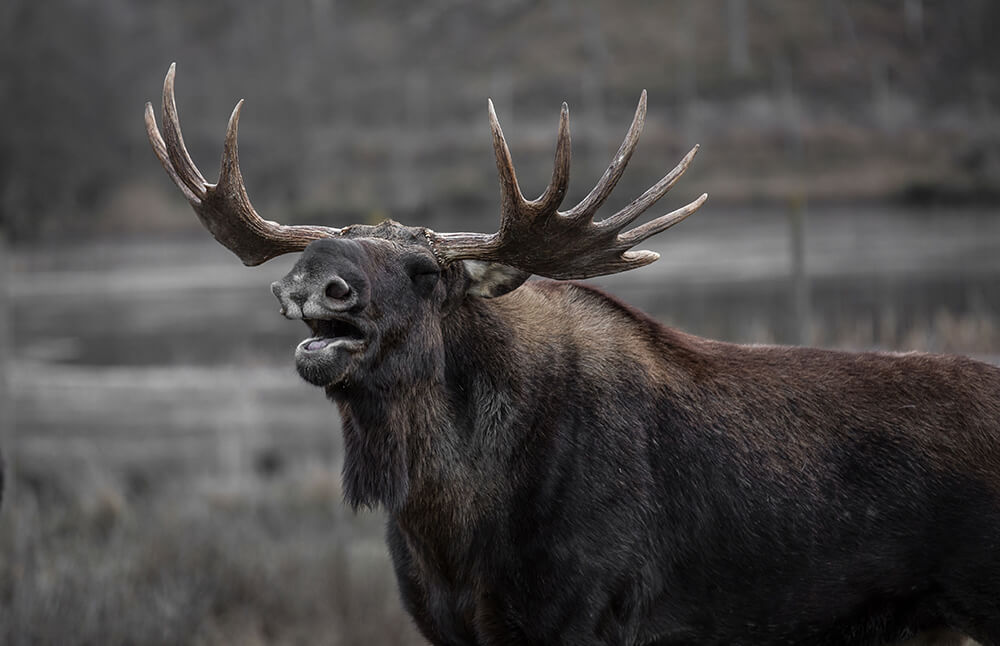
The Population and Habitat of New Hampshire Moose
New Hampshire serves as a critical southern stronghold for the moose population in North America. While their numbers have fluctuated over the decades due to environmental factors and changes in climate, the state remains one of the best locations in the Eastern United States for sighting them in their natural habitat.
Understanding the Landscape
Moose thrive in the dense, cool forests that characterize the northern regions of the state. They are particularly fond of the transitional zones between mature forests and open clearings, where they find an abundance of aquatic plants, willow, and birch. The northern reaches of New Hampshire, particularly near Pittsburg and the Great North Woods, offer the ideal ecosystem for these massive mammals. The vast, swampy regions and remote bog areas near the border of Canada provide the seclusion and dietary diversity that moose require to sustain their large frames.
Why They Choose the Granite State
The unique topography of the Appalachian Mountains range within New Hampshire creates a cool, moist microclimate that moose prefer. Unlike other deer species that might survive in warmer, more fragmented environments, the moose is physically adapted to cold temperatures. In the height of summer, you will frequently find them standing in shallow ponds or marshy areas, using the water to regulate their body temperature and to forage for nutrient-rich aquatic vegetation.
The Best Times and Places for Sighting
If your primary goal is to encounter a moose, timing is everything. Moose are crepuscular, meaning they are most active during the twilight hours of dawn and dusk. Planning your activities around these windows significantly increases your probability of a successful sighting.
Prime Locations for Moose Watching
- Route 3 and Route 26: These major corridors in the northern part of the state are famous for moose sightings. Driving slowly during dusk hours often rewards travelers with a view of a moose grazing near the roadside.
- The Connecticut Lakes Region: Situated near the Canadian border, this area is widely considered the moose capital of the state. The surrounding wetlands and dense forests offer a high density of wildlife.
- Crawford Notch State Park: As you traverse the heart of the White Mountain National Forest, keep a sharp eye on the clearings. The elevation here provides a cooler environment that remains comfortable for moose even during the warmer months.
Seasonal Considerations
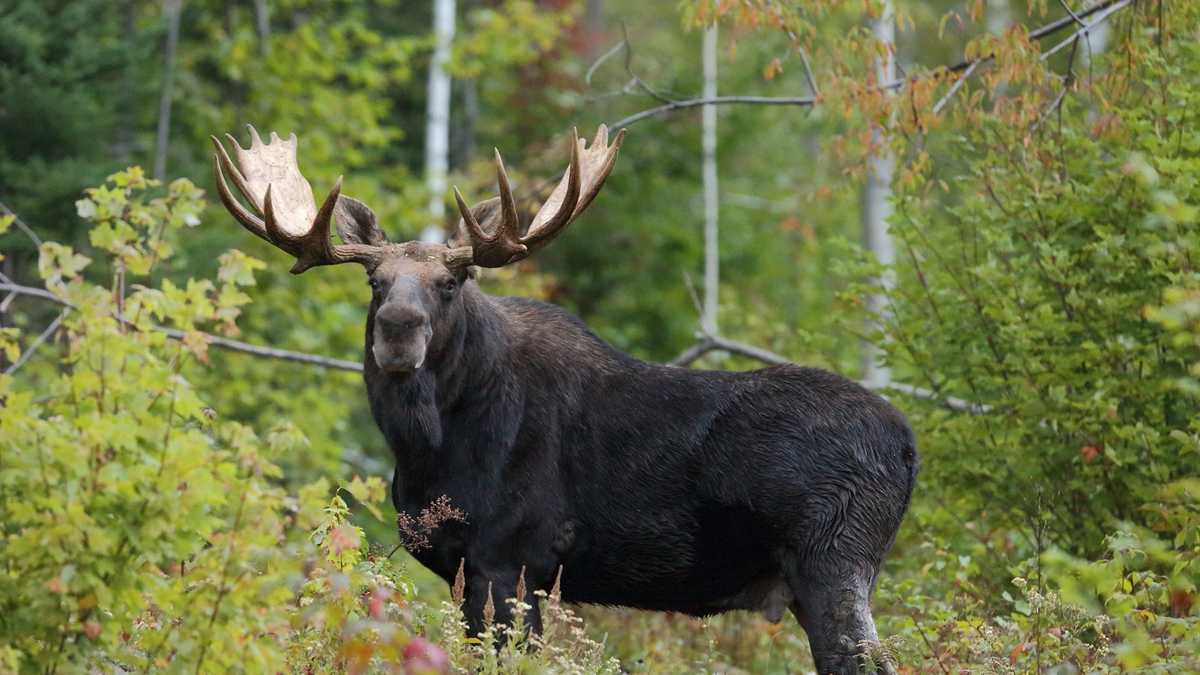
While moose reside in New Hampshire year-round, your chances of spotting them shift with the seasons. In the spring and early summer, they are frequently seen near salt licks and roadside puddles, where they consume road salt runoff to replenish minerals lost during the harsh winter. In the fall, specifically during the rutting season in late September and October, moose become significantly more active and less cautious, making them easier to spot, though travelers should always maintain a respectful distance.
Essential Safety and Ethical Guidelines
Observing moose is an exhilarating experience, but it is vital to remember that these are wild, powerful, and potentially dangerous animals. An adult bull moose can weigh up to 1,500 pounds and possess the strength to challenge even the largest predators.
Maintaining Proper Distance
It is essential to view moose from a safe distance, ideally from inside your vehicle or using high-powered binoculars from a protected vantage point. Never approach a moose on foot, especially if a cow is accompanied by a calf, as maternal instincts make them exceptionally protective and aggressive. If a moose pins its ears back, stomps its feet, or raises the hair on its back, it is displaying signs of extreme agitation; you must retreat immediately.
Respecting the Wildlife
The preservation of New Hampshire’s wildlife relies on the responsible behavior of those who visit. Never attempt to feed a moose, as this disrupts their natural foraging patterns and habituates them to human presence, which often leads to dangerous interactions or wildlife-vehicle collisions. Furthermore, always adhere to “Leave No Trace” principles. If you are hiking in Franconia Notch State Park or exploring the backcountry, ensure that you carry out everything you bring in to protect the environment that these animals call home.
Enhancing Your Nature Experience
For those who want to guarantee a sighting or learn more about the ecology of the region, many guided services exist. Local experts know the specific “moose corridors” and can provide deep insights into the biology and behaviors of the animals.
Guided Tours
There are several reputable tour operators in the North Country that offer evening “moose safaris.” These tours utilize specialized vehicles and experienced guides who know exactly where the wildlife is congregating. Opting for a guided experience not only increases your likelihood of spotting a moose but also provides a wealth of knowledge regarding the local flora and fauna that you might otherwise miss.

Combining Trips with Other Attractions
A trip to see the moose is often enhanced by visiting other iconic landmarks nearby. After a morning of wildlife viewing, consider exploring the historic Mount Washington Hotel or taking a scenic drive up the Mount Washington Auto Road. The contrast between the rugged, wild nature of the northern forests and the refined hospitality of the Grand Hotels provides a complete, well-rounded experience of what the region has to offer.
Ultimately, while the moose is a elusive and wild creature, New Hampshire remains one of the most accessible places to witness them in their natural glory. By being patient, choosing the right locations, and respecting the boundaries of these magnificent animals, you can turn your search into a memorable adventure that highlights the true spirit of the New England wilderness. Whether you are trekking through the deep woods or driving the scenic byways, the potential for a moose encounter adds a thrilling element of mystery to any journey through the state.
LifeOutOfTheBox is a participant in the Amazon Services LLC Associates Program, an affiliate advertising program designed to provide a means for sites to earn advertising fees by advertising and linking to Amazon.com. Amazon, the Amazon logo, AmazonSupply, and the AmazonSupply logo are trademarks of Amazon.com, Inc. or its affiliates. As an Amazon Associate we earn affiliate commissions from qualifying purchases.