
When planning a road trip through the quintessential landscapes of New England, travelers often focus on the logistics of their route: finding the best scenic overlooks in the White Mountains, securing reservations at a charming Mount Washington Hotel, or mapping out the most picturesque covered bridges. However, for those choosing to explore the region via a rental car or their own vehicle, understanding the legal requirements of the state is paramount. A common question for visitors arriving in New Hampshire is whether auto insurance is a mandatory prerequisite for hitting the road.

Unlike most other states in the United States, New Hampshire maintains a unique “financial responsibility” law. This quirk in the legal framework often leaves travelers confused, particularly those accustomed to the strict “no-insurance, no-drive” mandates found in neighboring Massachusetts or Vermont. Understanding these nuances ensures that your holiday remains focused on the beauty of the Granite State rather than bureaucratic headaches.
The Reality of Financial Responsibility Laws
In most of the country, drivers are required to carry a minimum level of liability insurance to register and operate a vehicle. New Hampshire, however, does not mandate that you purchase auto insurance. Instead, the state expects you to be “financially responsible” for any damages or injuries you cause while operating a motor vehicle.
What Financial Responsibility Means for You
The term “financial responsibility” means that if you are at fault in an accident, you are legally and personally obligated to pay for the resulting property damage and bodily injury. Without an insurance policy acting as a buffer, you are essentially self-insured. If you cannot produce the funds to cover damages caused by your driving, the state reserves the right to suspend your driving privileges and vehicle registration.
The Myth of “Driving Without Insurance”
It is a common misconception that because insurance isn’t mandatory, you are free to drive in New Hampshire without any form of protection. While the law permits you to decline an insurance policy, it does not exempt you from the consequences of an accident. For tourists driving through beautiful areas like Conway or North Conway, the financial risk of being held personally liable for a collision can quickly turn a peaceful getaway into a significant economic catastrophe.
Essential Considerations for Visitors and Rental Drivers
If you are a tourist visiting from out-of-state, your specific situation regarding insurance coverage may vary. Rental car agencies and personal auto policies operate under their own sets of rules that often supersede the state’s relaxed requirements.
Rental Car Agreements and Requirements
While the state of New Hampshire may not mandate insurance, virtually every rental car company operating out of Manchester-Boston Regional Airport or Logan International Airport will require you to demonstrate some form of coverage. Rental contracts are private agreements; by signing them, you are agreeing to the company’s terms, which almost universally require that you be insured. If you do not have personal auto insurance, the rental agency will force you to purchase their loss damage waiver and liability coverage.
Does Your Current Policy Apply?
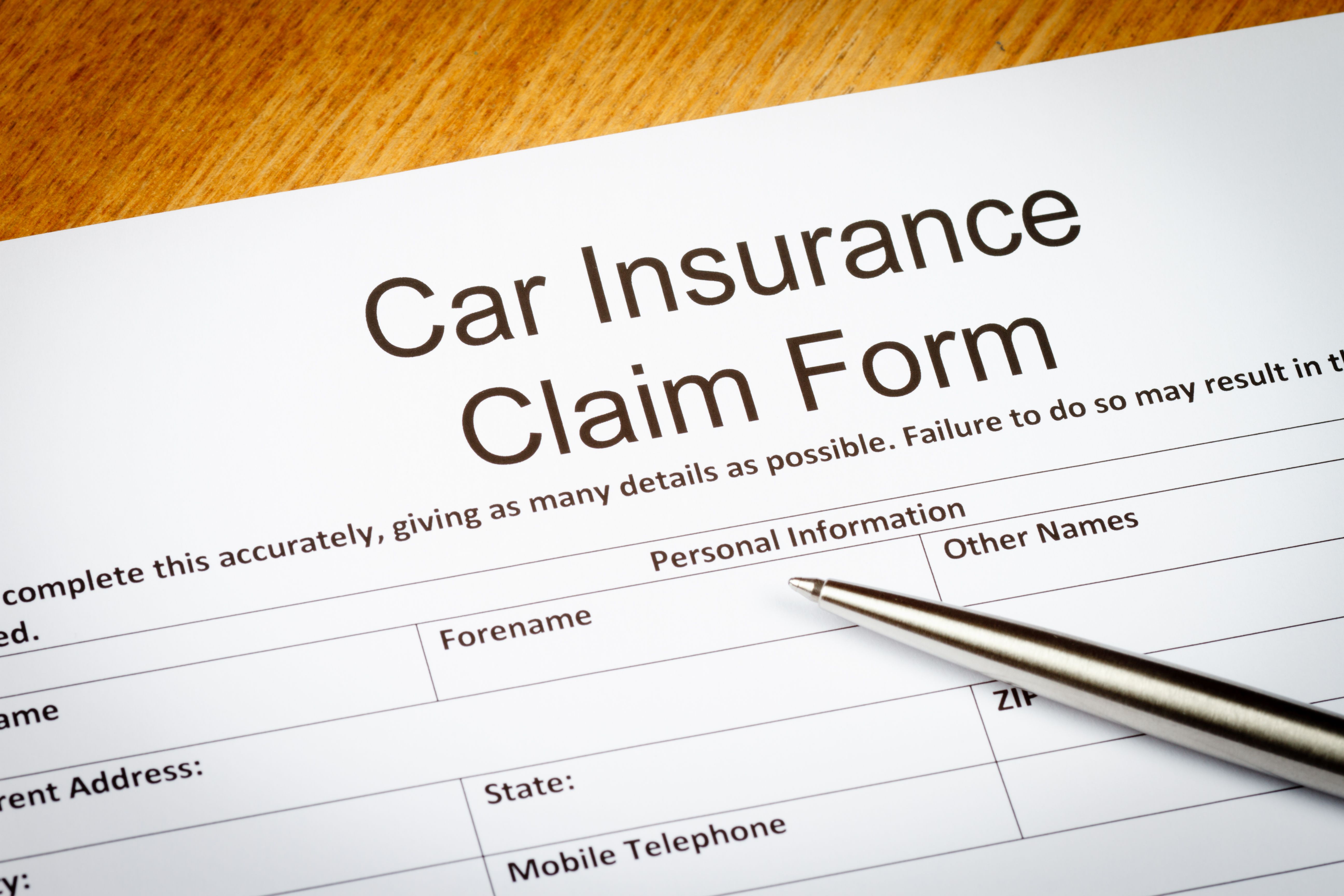
For those traveling with their own vehicles, it is critical to verify that your current auto insurance policy covers you in New Hampshire. While your policy likely provides reciprocal coverage across state lines, the level of protection may not match the standards you are used to. Before driving through the Kancamagus Highway, take a moment to confirm that your liability limits are sufficient to meet the state’s financial responsibility requirements in the event of an unfortunate incident.
Mitigating Risk While Exploring the Granite State
When you are visiting major landmarks such as Franconia Notch State Park or the historic Mount Monadnock, the last thing you want to worry about is an insurance claim. However, the mountainous terrain and unpredictable weather patterns in New England mean that traffic accidents can happen even to the most careful drivers.
Why Carrying Insurance Remains Wise
Even though New Hampshire doesn’t mandate it, the vast majority of residents and frequent travelers choose to maintain insurance. The protection provided by a standard liability policy offers a safety net that protects your personal assets. If you were involved in an accident, your insurance company handles the legal defense and the payouts for damages, shielding you from the high costs of litigation or direct payments to the other party.
Recommended Coverage Types
If you decide to obtain coverage for your trip, consider the following protections:
- Liability Coverage: Essential for covering injuries and property damage caused to others.
- Uninsured Motorist Coverage: Highly recommended in a state where other drivers might have chosen to forgo insurance.
- Comprehensive Coverage: Useful if you encounter wildlife while driving, which is a common occurrence on the quiet, wooded backroads near Lake Winnipesaukee.
- Collision Coverage: Vital for protecting your rental or personal vehicle against the costs of repairs after an accident.
Navigating Legal Recourse After an Incident
Should you find yourself involved in an accident while visiting a city like Portsmouth or Nashua, the process of handling the aftermath remains largely the same as in other states, provided you have documentation.
Documenting the Scene
Always exchange information with the other driver. Record names, addresses, phone numbers, and license plate numbers. If the other party is not insured, which is a distinct possibility in New Hampshire, you will need to rely heavily on your own insurance company’s uninsured motorist coverage to repair your vehicle or cover your medical bills.
Engaging Local Authorities
If there is significant damage or bodily injury, local law enforcement must be called to file an official report. A police report is an invaluable piece of evidence when filing a claim with your provider. For those renting cars, you must also notify the rental agency immediately, as their specific procedures for handling accidents must be followed to maintain your protection under their agreement.

Final Travel Tips for Safety
The most effective way to handle auto insurance in New Hampshire is to treat it as if it were mandatory. By maintaining your own coverage, you ensure that your focus remains on the breathtaking vistas of the White Mountain National Forest and the quaint culture of small New Hampshire towns. Do not let the lack of a legal mandate fool you into driving unprotected; peace of mind is the most valuable accessory for any traveler. Whether you are driving a luxury vehicle to a resort in Bretton Woods or a standard rental through the scenic valleys of the state, being adequately insured is the hallmark of a smart, prepared traveler who understands the value of security on the open road.
LifeOutOfTheBox is a participant in the Amazon Services LLC Associates Program, an affiliate advertising program designed to provide a means for sites to earn advertising fees by advertising and linking to Amazon.com. Amazon, the Amazon logo, AmazonSupply, and the AmazonSupply logo are trademarks of Amazon.com, Inc. or its affiliates. As an Amazon Associate we earn affiliate commissions from qualifying purchases.