
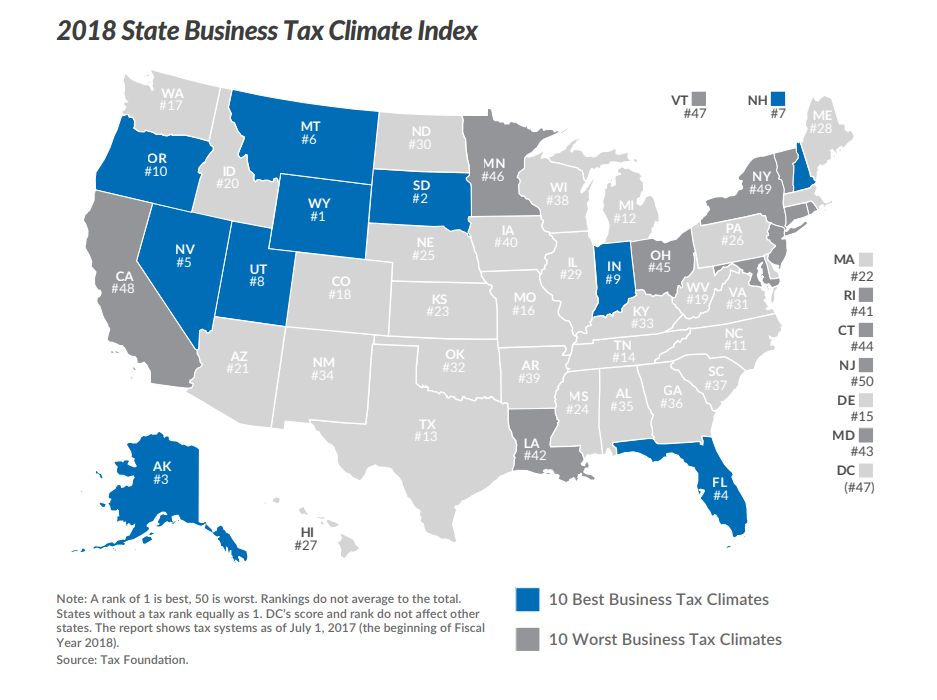
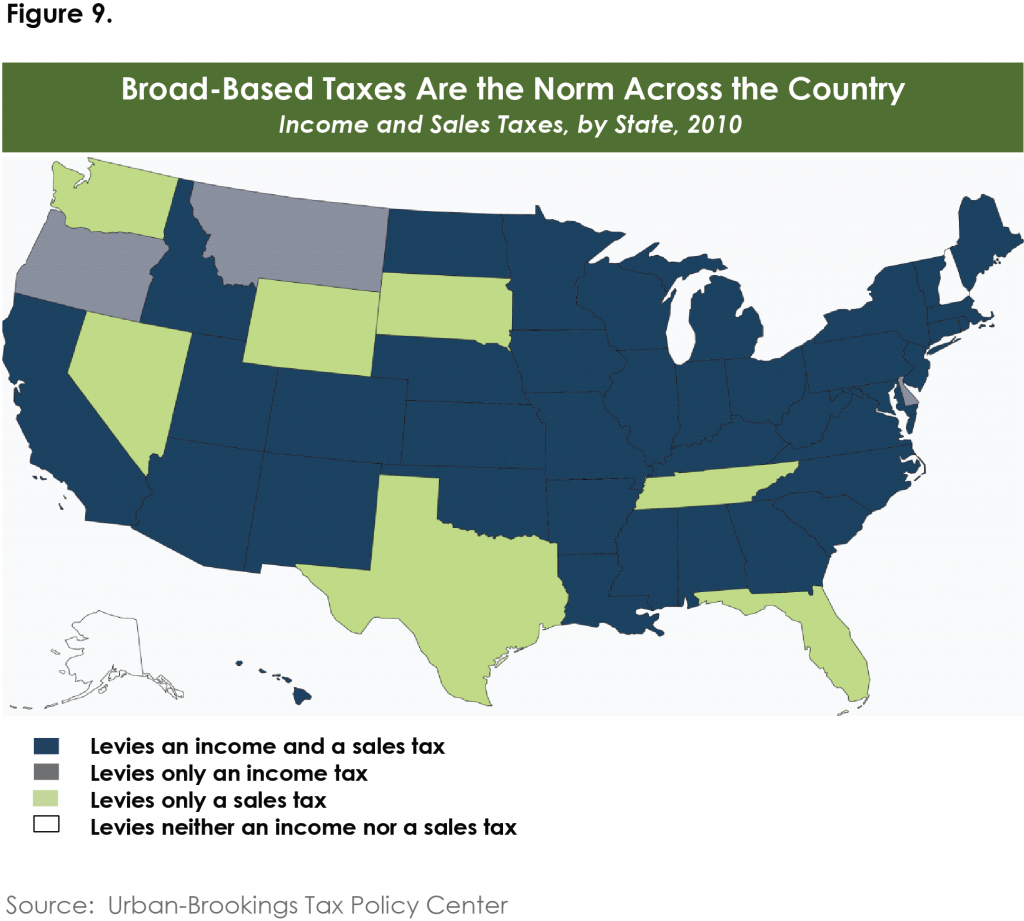
For many high-net-worth individuals, retirees, and professionals considering a relocation, the tax implications of a new state are as significant as the scenery. When exploring the prospect of moving to the “Live Free or Die” state, one of the most common questions involves the fiscal landscape. The short answer is that New Hampshire does not have a broad-based personal income tax on earned wages, making it one of the most attractive states for residents looking to maximize their take-home pay.
However, the reality of the state’s fiscal policy is nuanced. While you may not see a percentage taken out of your paycheck for state income tax, there are specific legacy taxes that are currently in the process of being phased out. Understanding these details is essential for anyone considering a move to this picturesque corner of New England.

The Evolution of New Hampshire’s Tax Landscape
For decades, New Hampshire maintained a tax on interest and dividends. This was the primary reason the state could arguably claim it did not have a “broad-based” income tax. Unlike states like California or New York, which tax the fruits of your labor, New Hampshire focused on unearned income.
The Phasing Out of Interest and Dividends Tax
As of recent legislative sessions, the state has committed to a multi-year plan to eliminate the interest and dividends tax entirely. This shift is designed to make the state even more competitive for retirees who rely on investment portfolios to fund their lifestyles. By reducing this burden, the state government aims to attract affluent residents who might otherwise choose states like Florida or Texas, which have long marketed their lack of income tax as a primary benefit.
Why This Matters for Residents
For a professional moving to Manchester or Nashua for a new career opportunity, the absence of a state-level income tax means that the salary offer on the table is significantly more valuable than a similar offer in a state with high income tax rates. This increased disposable income often finds its way into the local economy, supporting the vibrant small businesses and unique lifestyle that define the Granite State.
Budgeting for Life in the Granite State
While the lack of personal income tax is a massive financial advantage, it is critical to understand the overall cost of living. New Hampshire makes up for its lack of income tax in other areas, and potential residents should evaluate their total financial picture before packing their bags.
The Role of Property Taxes
If there is a catch to the “no income tax” model, it is the state’s reliance on property taxes to fund municipal services and local education. Property tax rates in New Hampshire are among the highest in the country. When you are looking at purchasing a home in towns like Concord or Portsmouth, you must factor the local tax mill rate into your monthly budget.
While you are saving thousands of dollars annually by not paying income tax, a significant portion of those savings may be redirected toward your annual property tax bill. It is a trade-off that many residents are happy to make, as it keeps the governance localized and ensures that schools and infrastructure are funded by the community they serve.
No Sales Tax Advantage
Beyond the lack of income tax, New Hampshire also does not impose a statewide sales tax. This is a massive boon for shoppers and contributes to a high quality of life. Whether you are stocking up on electronics, furniture, or everyday household items, the price you see on the tag is the price you pay at the register.
For residents living near the border of Massachusetts, this makes for a very popular destination for weekend shopping trips. The lack of sales tax essentially acts as a permanent discount on all consumer goods, further cementing the state’s status as a highly tax-efficient place to live.
Economic Benefits for Entrepreneurs and Retirees
The tax structure of New Hampshire is specifically engineered to attract two distinct groups: those building wealth and those preserving it. Because the state does not penalize productivity with high income taxes, it has become a hotspot for small business owners and remote workers who have the flexibility to choose their place of residence.
Business-Friendly Environment
The business environment in the White Mountains region and beyond is flourishing. Without the burden of state income tax, entrepreneurs find it easier to reinvest capital back into their companies. This has spurred a wave of innovation and local development in cities like Dover and Keene. When a business owner keeps more of their earnings, they can hire more staff, improve their facilities, and contribute more effectively to the local community.
The Appeal for Retirees
Retirees are particularly drawn to the fiscal structure of the state. With the eventual total removal of the interest and dividends tax, New Hampshire is positioning itself as a premier destination for those living on fixed incomes, pensions, and retirement portfolios. Unlike states that tax social security or retirement distributions, New Hampshire offers a transparent and welcoming environment for those who have spent their lives building a nest egg and are now looking to enjoy their golden years in the beauty of the Lakes Region.
Balancing Lifestyle with Financial Planning
Choosing to move to a new state is never purely about the numbers, but the numbers certainly help clarify the lifestyle you can afford. New Hampshire offers an incredible balance of outdoor adventure, rich history, and modern convenience, all supported by a tax code that encourages economic mobility.
Investing in Quality of Life
When you choose to live in a place like Hanover, you are paying for more than just a house; you are paying for access to world-class hiking, skiing at resorts like Bretton Woods, and a peaceful, nature-centric lifestyle. The tax savings you accrue from the lack of income tax allow you to invest in these experiences. Instead of sending your hard-earned money to the state capital, you are spending it on season passes for the mountains, weekend getaways to the Atlantic Ocean coastline, and fine dining in local historic districts.
Final Considerations Before Moving
Before you decide to move, it is always wise to work with a local financial advisor who understands the specific interplay of New Hampshire’s property taxes and the phase-out of the interest and dividends tax. They can provide a tailored projection of your tax burden based on your unique portfolio and career path.
Ultimately, the lack of a state income tax is a pillar of the New Hampshire lifestyle. It reflects a cultural commitment to individual liberty and economic self-sufficiency. For those who value the freedom to keep what they earn and want to live in a state where the natural beauty is as vast as the economic opportunity, the Granite State remains a top-tier choice in the United States. Whether you are drawn to the quiet beauty of a mountain town or the bustling historic streets of a coastal city, the fiscal clarity provided by the state’s tax laws allows you to focus on what truly matters: building a life you love in a place that welcomes you with open arms.
LifeOutOfTheBox is a participant in the Amazon Services LLC Associates Program, an affiliate advertising program designed to provide a means for sites to earn advertising fees by advertising and linking to Amazon.com. Amazon, the Amazon logo, AmazonSupply, and the AmazonSupply logo are trademarks of Amazon.com, Inc. or its affiliates. As an Amazon Associate we earn affiliate commissions from qualifying purchases.