
When planning a long-term relocation to the scenic landscapes of New Hampshire, many individuals focus on the logistics of moving, the charm of local towns, or the allure of the White Mountains. However, understanding the legal framework of your new home is a crucial part of the transition for those moving into new accommodation or considering a permanent stay. Among the most frequent inquiries from prospective residents is the status of marital property laws. Specifically, people often ask: is New Hampshire a community property state? The short answer is no, but understanding what that means for your assets and estate planning is vital for a smooth transition.
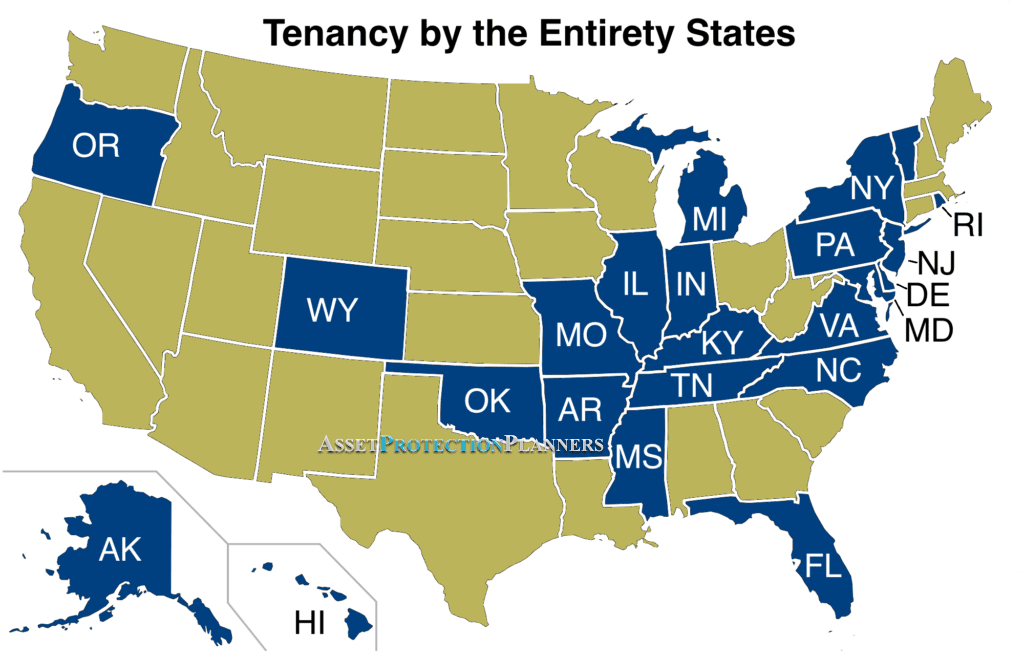
Understanding Common Law Property Systems
New Hampshire operates under what is known as a common law property system. This is a stark departure from the community property regime found in states like California or Texas. In a common law system, property is owned by the person who acquired it, regardless of when it was purchased during the marriage.
Individual Ownership in Practice
Under this framework, if you purchase a property, such as a cozy cabin in North Conway or a modern apartment in Manchester, the deed generally dictates ownership. If the title is solely in your name, the law considers it your individual property. This clarity is often cited by those choosing to settle down in New England as a primary benefit, as it simplifies the management of personal assets, business interests, and real estate portfolios.
Exceptions to the Rule
While individual ownership is the baseline, this does not mean that assets acquired during a marriage are entirely beyond reach in the event of a divorce. New Hampshire follows the principle of “equitable distribution.” This means that in the event of a separation, a court will look at all assets acquired by either spouse during the marriage—regardless of whose name is on the title—and divide them in a way that is deemed fair and equitable. Fairness, in this legal context, does not always mean an exact fifty-fifty split; rather, it is a calculation based on a variety of factors including the length of the marriage, the financial contributions of each spouse, and the future needs of each party.
The Implications for Lifestyle and Asset Management
For those looking to move to New Hampshire for its lifestyle—whether to retire near Lake Winnipesaukee or to launch a business venture in Portsmouth—the legal system plays a subtle but important role in how you manage your domestic life.
Financial Independence and Estate Planning
Because New Hampshire is not a community property state, individuals often have more autonomy in how they title their assets. This provides significant flexibility for estate planning. For example, if you own a vacation home in Bretton Woods, you can structure ownership in a way that best serves your long-term financial goals, such as placing the asset into a trust or naming specific heirs without the immediate encumbrances that community property laws might impose.

Navigating Debts and Liabilities
One of the most significant distinctions in a non-community property state relates to debt. In community property states, creditors often have a claim on the community estate for debts incurred by either spouse. In New Hampshire, creditors generally can only pursue assets that are in the name of the debtor. This distinction is often appreciated by entrepreneurs and those with diverse investment portfolios, as it creates a clearer wall of separation between individual liabilities and the total household wealth.
Equitable Distribution vs. Community Property: A Strategic Overview
It is a common misconception that being in a common law state like New Hampshire means that spouses have no claim to each other’s property. While the system is not “community property,” it is deeply “equitable.”
The Role of the Court
In a jurisdiction like New Hampshire, the courts possess broad discretion. They will assess the “marital estate,” which encompasses most property acquired during the marriage, and determine how to allocate it based on equitable principles. This might involve looking at:
- The age and health of each spouse.
- The vocation and employability of both parties.
- The amount and sources of income.
- The value of property each party holds.
- The contribution of one spouse to the increased value of the other’s property.
This nuanced approach provides a layer of protection for spouses who may have sacrificed career advancement to support the household, ensuring that the division of assets reflects the actual partnership of the marriage.
Planning Ahead: The Value of Pre-Nuptial Agreements
Because of the discretion granted to courts under equitable distribution, many individuals moving to New Hampshire opt to define their property rights through pre-nuptial or post-nuptial agreements. By drafting a clear contract, you can opt out of the standard equitable distribution framework and dictate exactly how your assets—ranging from a home in Hanover to investment accounts—should be handled. This provides certainty and peace of mind, allowing you to focus on enjoying the natural beauty and vibrant culture of the state.
Lifestyle Considerations for New Residents
Moving to New Hampshire is often motivated by a desire for a higher quality of life, access to outdoor activities like hiking in Franconia Notch State Park, and the stability of a robust community. Knowing that you are living in a state with a common law property system allows you to make informed decisions about your residency.
The Importance of Proper Documentation
Regardless of whether you are renting a boutique apartment in Concord or purchasing a mountain retreat, the best practice is always to ensure your documentation reflects your intentions. Clear titles, updated beneficiary designations, and well-drafted legal documents serve as your primary defense in any jurisdiction. In New Hampshire, maintaining these records diligently is your most effective tool for asset management.

Embracing the Granite State
Ultimately, the legal system in New Hampshire is designed to respect individual ownership while acknowledging the realities of marital partnerships through equitable distribution. By understanding this, you can better navigate your personal and financial life as you settle into the United States. Whether you are drawn to the rugged trails of the Appalachian Trail or the historical charm of Salem, New Hampshire remains a premier destination for those seeking a balance of legal clarity and high-quality living. As you embark on your journey here, take the time to consult with legal professionals familiar with local statutes to ensure your long-term assets are protected according to your personal vision.
LifeOutOfTheBox is a participant in the Amazon Services LLC Associates Program, an affiliate advertising program designed to provide a means for sites to earn advertising fees by advertising and linking to Amazon.com. Amazon, the Amazon logo, AmazonSupply, and the AmazonSupply logo are trademarks of Amazon.com, Inc. or its affiliates. As an Amazon Associate we earn affiliate commissions from qualifying purchases.