
For travelers, backpackers, and digital nomads planning an extended stay in the Granite State, understanding the local economic landscape is essential for effective budget planning. Whether you are looking for seasonal work in the White Mountains or exploring the vibrant culture of Portsmouth, knowing the labor regulations helps in managing expectations regarding the local cost of living and the earning potential for short-term service industry roles.
Understanding the Legal Baseline in New Hampshire
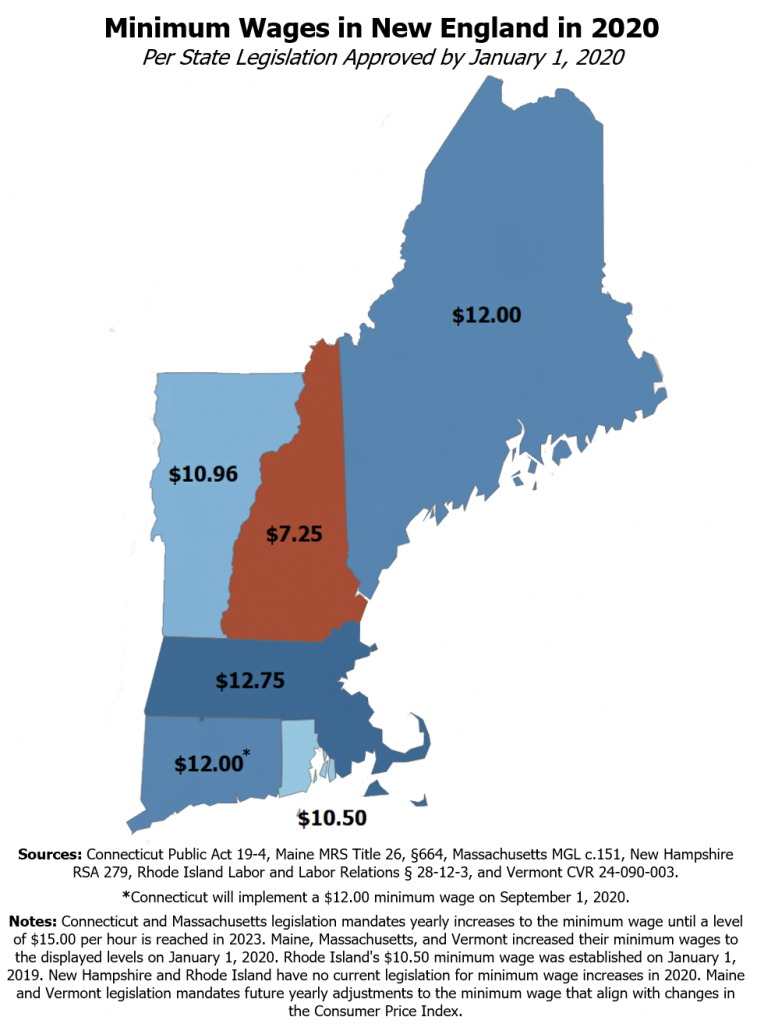
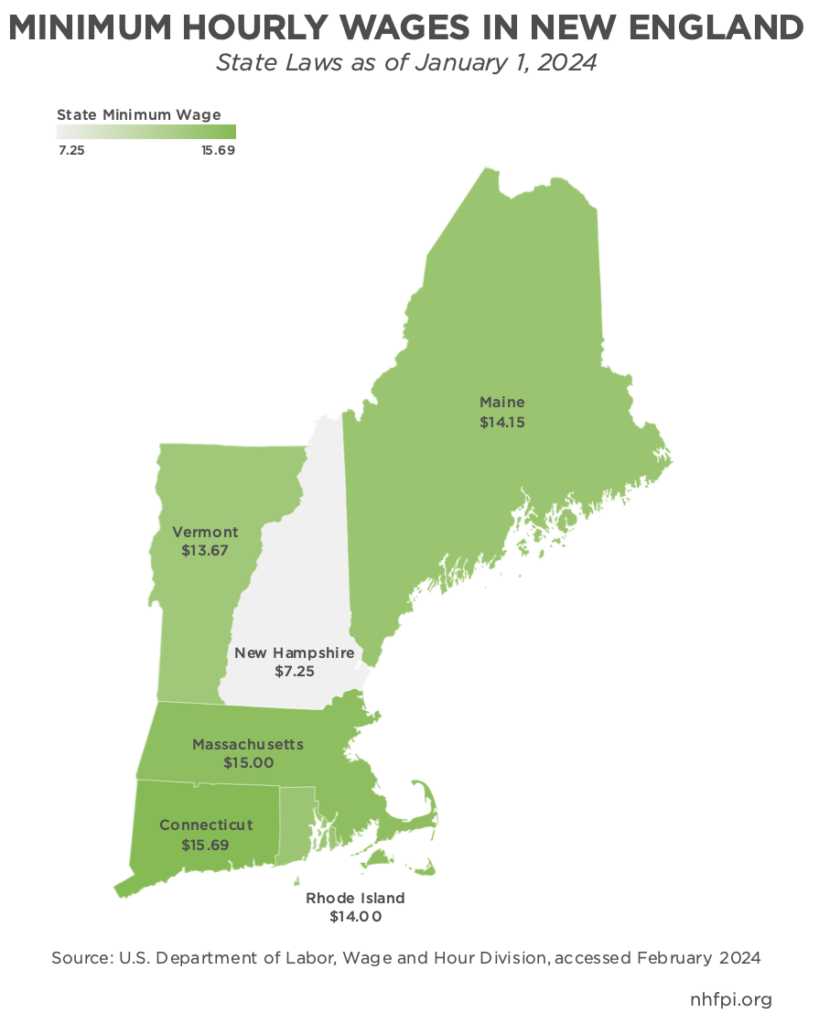
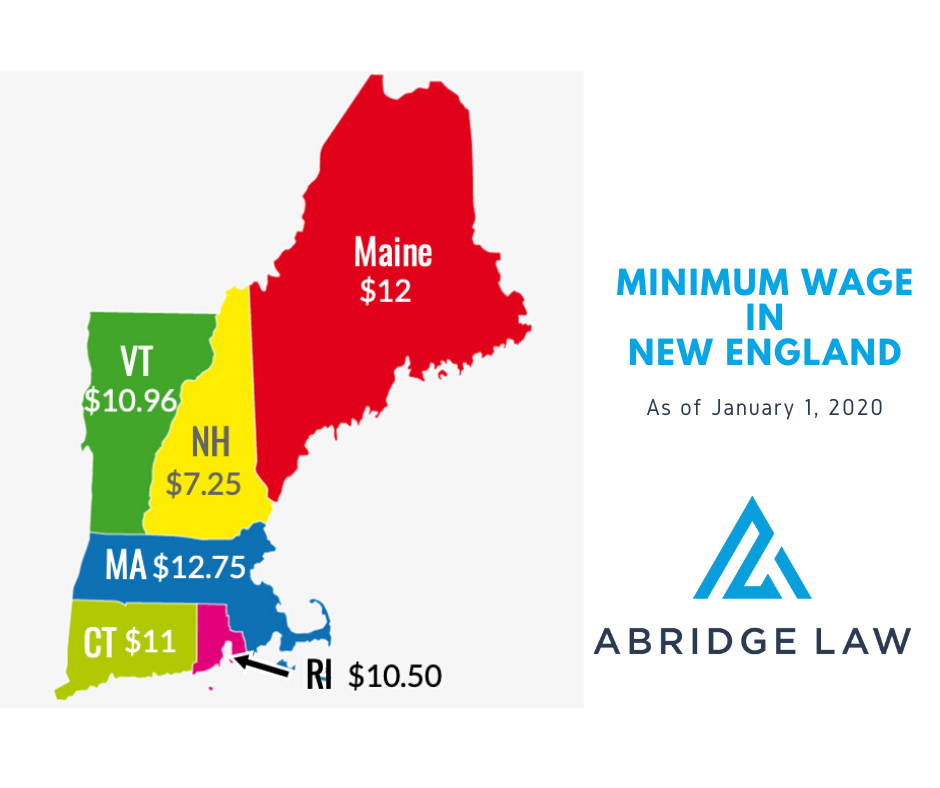
The minimum wage in New Hampshire is currently set at $7.25 per hour. This figure mirrors the federal minimum wage established under the Fair Labor Standards Act. While many states in the United States have moved to increase their state-mandated minimums significantly beyond the federal floor, New Hampshire has maintained this baseline for several years.
How the Wage Affects Service and Tipped Workers
For those seeking employment in the tourism and hospitality sectors—such as hotels, restaurants, and adventure guide services—it is critical to understand how the “tipped” minimum wage works. In New Hampshire, employers are permitted to pay employees who regularly receive tips a lower cash wage, provided that the tips received plus the base wage equal or exceed the standard minimum wage.
Currently, the base cash wage for tipped employees in the state is 45% of the applicable minimum wage. This means that for many working in the bustling tourist hubs of North Conway or Manchester, the base pay check might look quite small, with the bulk of earnings derived from customer gratuities. If the tips do not reach the required threshold to meet the $7.25 mark, the employer is legally obligated to make up the difference.
Economic Implications for Seasonal Travelers
Travelers often find themselves attracted to the scenic beauty of the Lake Winnipesaukee region or the historic charm of Concord during the summer and foliage seasons. If you are planning to sustain your travel budget by picking up part-time work, it is important to weigh the $7.25 minimum wage against the cost of living.
Budgeting for a Working Vacation
When visiting popular destinations like Bretton Woods or the coastal town of Hampton Beach, you will find that housing and food costs can be significant. While the minimum wage is the baseline, many businesses in the hospitality industry—facing labor shortages—often offer starting wages higher than the state minimum to attract reliable staff.
- Market Demand: During peak tourism months, establishments in Mount Washington and surrounding areas often compete for staff. Do not be discouraged by the base minimum wage; it is common for service jobs to offer $12 to $18 per hour, depending on the role and the employer.
- Cost of Housing: Accommodation in tourist-heavy areas is the largest expense. If you are staying in Nashua or Dover, look for seasonal employee housing or hostels that cater to transient workers to stretch your earnings further.
The Role of Tipping Culture
Because the base wage remains tied to the federal minimum, the local economy relies heavily on a robust tipping culture. In restaurants, bars, and even for tour operators in Franconia Notch State Park, the generosity of tourists is what essentially balances the economic equation for service workers. If you are a traveler looking for work, targeting roles where tipping is customary is often the smartest financial strategy.
Navigating Employment Opportunities in Tourism
If your goal is to spend a season or a year living and working in New England, you will find that the hospitality sector is the most accessible entry point. The state’s economy is deeply rooted in tourism, and business owners are well-versed in hiring short-term staff.
Where to Look for Work
The best opportunities for travelers are typically located in areas with high seasonal turnover.
- Resorts and Hotels: Look at established names like the Mount Washington Hotel. These large properties often have structured hiring processes for seasonal workers and may provide benefits or housing, which can be far more valuable than a higher hourly wage.
- Adventure Tourism: From the zip-lining courses in Gunstock Mountain Resort to guided tours in the Kancamagus Highway corridors, there is a constant demand for energetic, outdoor-oriented employees.
- Retail and Dining: Towns like Exeter and Hanover offer a consistent flow of student and tourist traffic, providing steady, albeit lower-wage, employment opportunities.
Important Considerations for Workers
Before accepting a position, ensure you have a clear understanding of the pay structure. Ask specifically about:
- Overtime: New Hampshire law generally mandates overtime pay (1.5 times the regular rate) for hours worked over 40 in a single workweek.
- Pay Frequency: Most employers operate on a weekly or bi-weekly pay cycle. Plan your initial weeks of travel accordingly, as you may have a waiting period before your first check arrives.
- Benefits: While standard minimum wage jobs may not offer health insurance, some larger resorts provide perks like free or discounted ski passes, meals, or equipment rentals, which can effectively increase your overall compensation.
Balancing Income and the “Live Free or Die” Lifestyle
Living in New Hampshire offers a unique blend of rugged outdoor adventure and quiet, historic small-town living. While the minimum wage is not the highest in the country, the lack of a general sales tax and the relatively manageable cost of living in rural areas provide a balanced lifestyle for the frugal traveler.
Maximizing Your Stay
To make the most of your time in the state, combine your work efforts with smart exploration. The White Mountain National Forest provides world-class hiking and photography opportunities that cost nothing to enjoy. By keeping your living expenses low and working in sectors that offer higher-than-minimum-wage compensation—or those that feature heavy tipping—you can comfortably sustain a lifestyle that allows you to experience the best of what this corner of the Northeast has to offer.
Always remain diligent about reviewing your pay stubs and understanding your rights as a temporary worker. The New Hampshire Department of Labor provides resources for both employees and employers that can clarify any questions regarding wage payments, break periods, and standard labor practices. By arriving with a clear plan, an understanding of the local pay structure, and a willingness to explore the hospitality landscape, you can turn a working trip into a truly enriching experience.
LifeOutOfTheBox is a participant in the Amazon Services LLC Associates Program, an affiliate advertising program designed to provide a means for sites to earn advertising fees by advertising and linking to Amazon.com. Amazon, the Amazon logo, AmazonSupply, and the AmazonSupply logo are trademarks of Amazon.com, Inc. or its affiliates. As an Amazon Associate we earn affiliate commissions from qualifying purchases.