
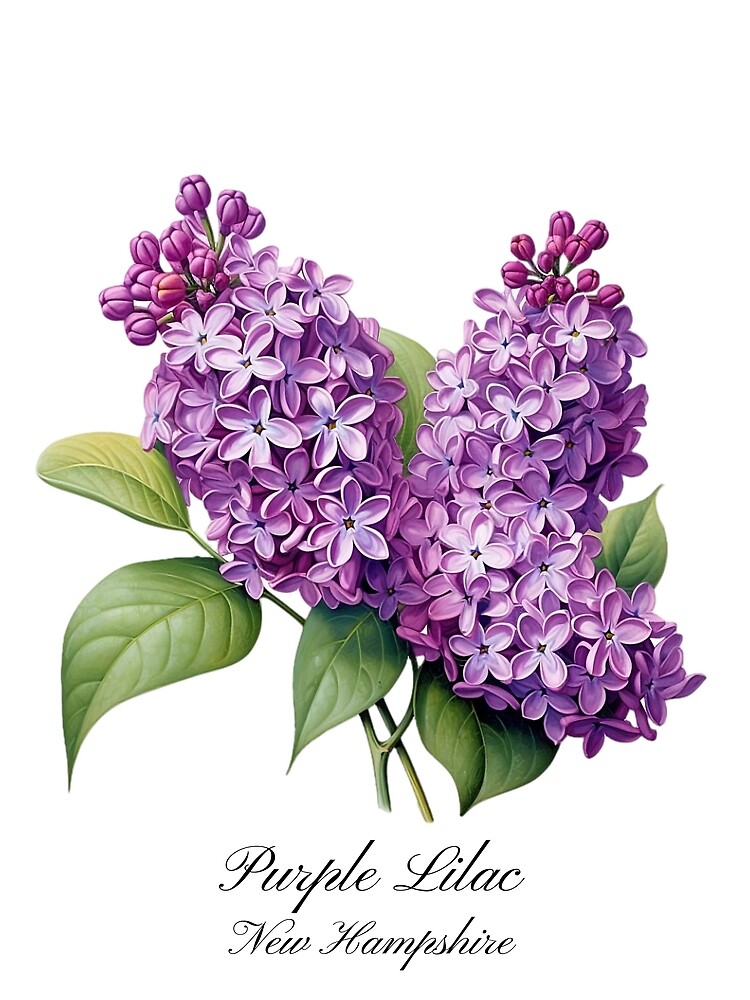
When exploring the vibrant natural identity of New Hampshire, visitors and locals alike often find themselves enchanted by the rugged, rolling landscapes that define this New England gem. Among the many symbols that represent the Granite State, one delicate bloom stands out above all others: the Purple Lilac. Officially adopted in 1919, this fragrant, resilient flower serves as a botanical emblem of the state’s tenacity and historical pride. Understanding the story behind the Purple Lilac provides a unique window into the cultural heritage of the region.
The Botanical Significance of the Purple Lilac
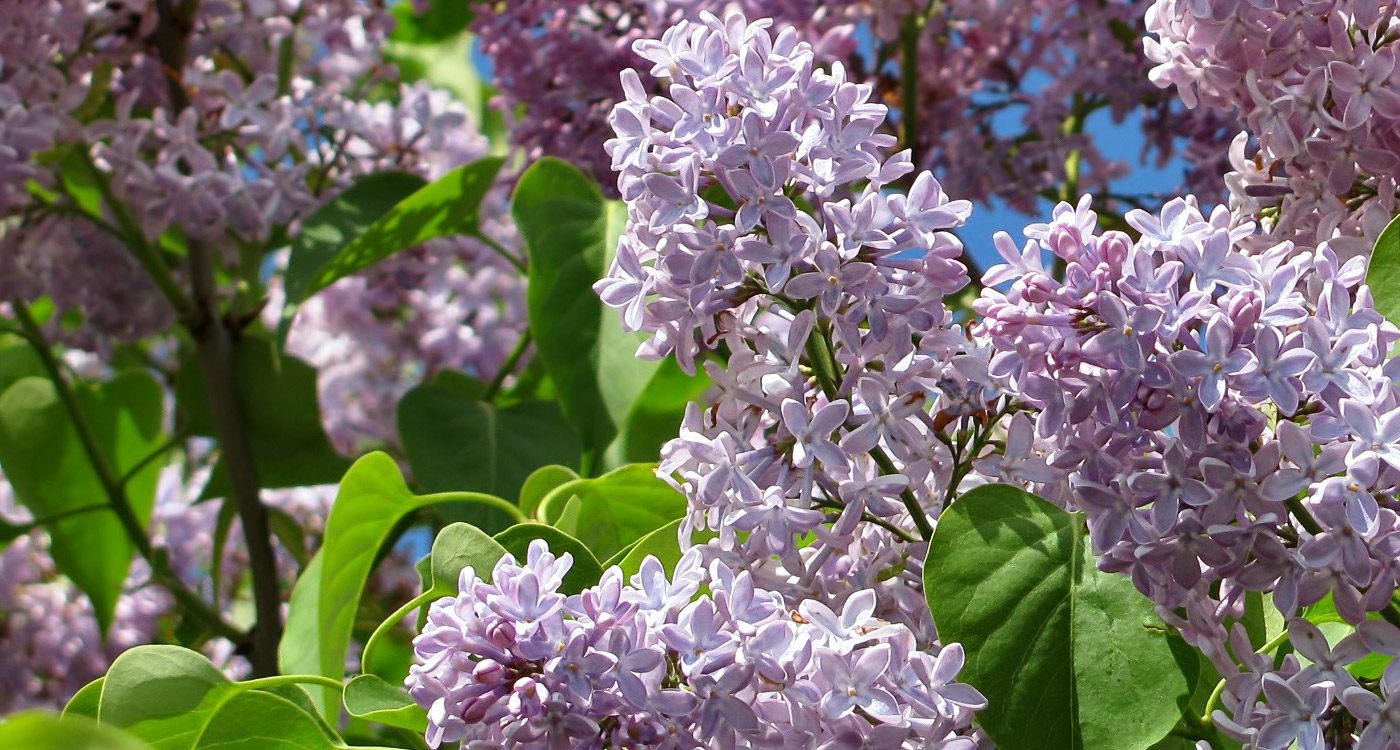
The Purple Lilac, scientifically known as Syringa vulgaris, is not native to the United States. It was introduced to the region by early European settlers who brought cuttings from their homelands to plant in the gardens of their newly established homesteads. Over the centuries, these shrubs became a fixture in the rural landscapes of New Hampshire, surviving the harsh, freezing winters and blooming with a brief but intense display of color each spring.
A Symbol of Symbolic Resilience
The choice of the Purple Lilac by the state legislature was rooted in a desire to honor the “hardy character” of the people. Much like the resilient early pioneers who forged lives in the White Mountains and the Merrimack River valley, the lilac is a plant that thrives in adverse conditions. Its ability to persist for decades, often outliving the original farmhouses where it was first planted, turned it into a poignant symbol of persistence and endurance.
Bloom Time and Cultural Impact
For those planning to visit New Hampshire specifically to witness the floral beauty, timing is everything. The lilacs typically bloom in late May and early June, marking the transition from the lingering chill of winter to the lush warmth of summer. Across the state, communities hold “Lilac Festivals” where the scent of these flowers fills the air, creating an iconic sensory experience that defines the start of the tourist season.
Exploring Floral Heritage in the Granite State
Beyond the official state flower, New Hampshire offers a wide array of natural landmarks and botanical experiences. For travelers interested in the intersection of nature and history, several locations offer insight into how the Purple Lilac and other native flora have shaped the local aesthetic.
Botanical Gardens and Historic Estates
Visitors often flock to the Strawbery Banke Museum in Portsmouth. This living history museum showcases heirloom gardens that reflect the horticultural practices of the 17th, 18th, and 19th centuries. Walking through these spaces, one can observe how the lilac was integrated into traditional New England landscapes as both a decorative element and a functional border.
Nature Trails and Wilderness Areas
The rugged terrain of Mount Washington and the broader White Mountain National Forest provides a stark contrast to the manicured gardens of the coast. While the lilac prefers the sheltered valleys and farmsteads, the wilderness areas offer a look at the native alpine flora that defines the high elevations. Hiking through the Appalachian Trail sections that wind through the state provides a comprehensive view of the diverse ecosystem that sustains the beauty of the region.
The Significance of Official State Symbols in Tourism
Travelers often find that local symbols, such as the state flower, act as a gateway to deeper cultural engagement. When a destination highlights its flora, it invites visitors to slow down and observe the details of the landscape.
Promoting Sustainable Travel
By celebrating the Purple Lilac, local tourism boards encourage a form of “slow travel.” Instead of rushing between major attractions like Lake Winnipesaukee or Franconia Notch State Park, visitors are encouraged to take a moment to appreciate the seasonal cycles. This deeper connection to the environment is central to the conservation efforts currently supported by the New Hampshire Department of Natural and Cultural Resources.
Educational Tourism and Local Pride
Many museums and information centers, such as those found in Concord, use the story of the lilac to teach children and tourists about the history of immigration and agricultural development in the state. The fact that an introduced species was adopted as the official symbol highlights the melting-pot history of the region and the way nature integrates into the narrative of a growing society.
Best Practices for Visiting During the Bloom
If your travel goal is to experience the majesty of the Purple Lilac in its prime, careful planning is required. Because the blooming season is relatively short, usually lasting only two to three weeks, travelers must remain flexible with their itineraries.
Strategic Planning for Maximum Enjoyment
- Timing: Monitor the New Hampshire agricultural extensions during early May. Warmer springs will lead to earlier blooms, while cooler, lingering winters may delay the display.
- Location selection: While lilacs are found throughout the state, the best displays are often located in historic villages such as Exeter or the rural corridors near Hanover. These areas feature well-preserved historic architecture that provides the perfect backdrop for the blossoms.
- Photography: The purple-to-lavender hues of the lilac are best captured in the “golden hour,” shortly after sunrise or before sunset. The soft light enhances the texture of the clusters and creates a dreamlike atmosphere against the backdrop of colonial-era buildings.
Respecting the Environment
As with any natural attraction, it is vital to practice “Leave No Trace” principles. While it is tempting to pick a sprig of lilac to take home, it is essential to remember that these shrubs are often part of private historic properties or protected parklands. Admiring the flowers from the path and respecting the boundaries of historic New England gardens ensures that these beautiful plants remain for future generations to enjoy.

Connecting with the Spirit of the State
The Purple Lilac is more than just a decorative addition to the landscape; it is a testament to the relationship between the people of New Hampshire and their environment. From the bustling streets of Manchester to the quiet, rolling hills of the Connecticut River Valley, the presence of these flowers signals the arrival of the season of renewal.
Whether you are a professional botanist, a history enthusiast, or a casual traveler seeking the quintessential New England experience, the lilac provides a tangible connection to the state’s past. By understanding its origins, its growth habits, and its place in the heart of the community, you gain a richer perspective on what makes this state truly unique. The next time you find yourself wandering through a historic town or hiking a gentle slope in the White Mountains, take a moment to look for those distinctive, fragrant purple clusters. They are, after all, the true face of the state’s natural identity.
LifeOutOfTheBox is a participant in the Amazon Services LLC Associates Program, an affiliate advertising program designed to provide a means for sites to earn advertising fees by advertising and linking to Amazon.com. Amazon, the Amazon logo, AmazonSupply, and the AmazonSupply logo are trademarks of Amazon.com, Inc. or its affiliates. As an Amazon Associate we earn affiliate commissions from qualifying purchases.